
Over 60 percent of Americans now live in states where cannabis is legal for medical or recreational use. Yet confusion around Delta 8 and Delta 9 THC persists for most people. These two compounds look nearly identical on a molecular level but can lead to completely different effects and legal concerns. Making sense of their differences can help you choose safer, more satisfying cannabis products that fit your needs and local laws.
| Point | Details |
|---|---|
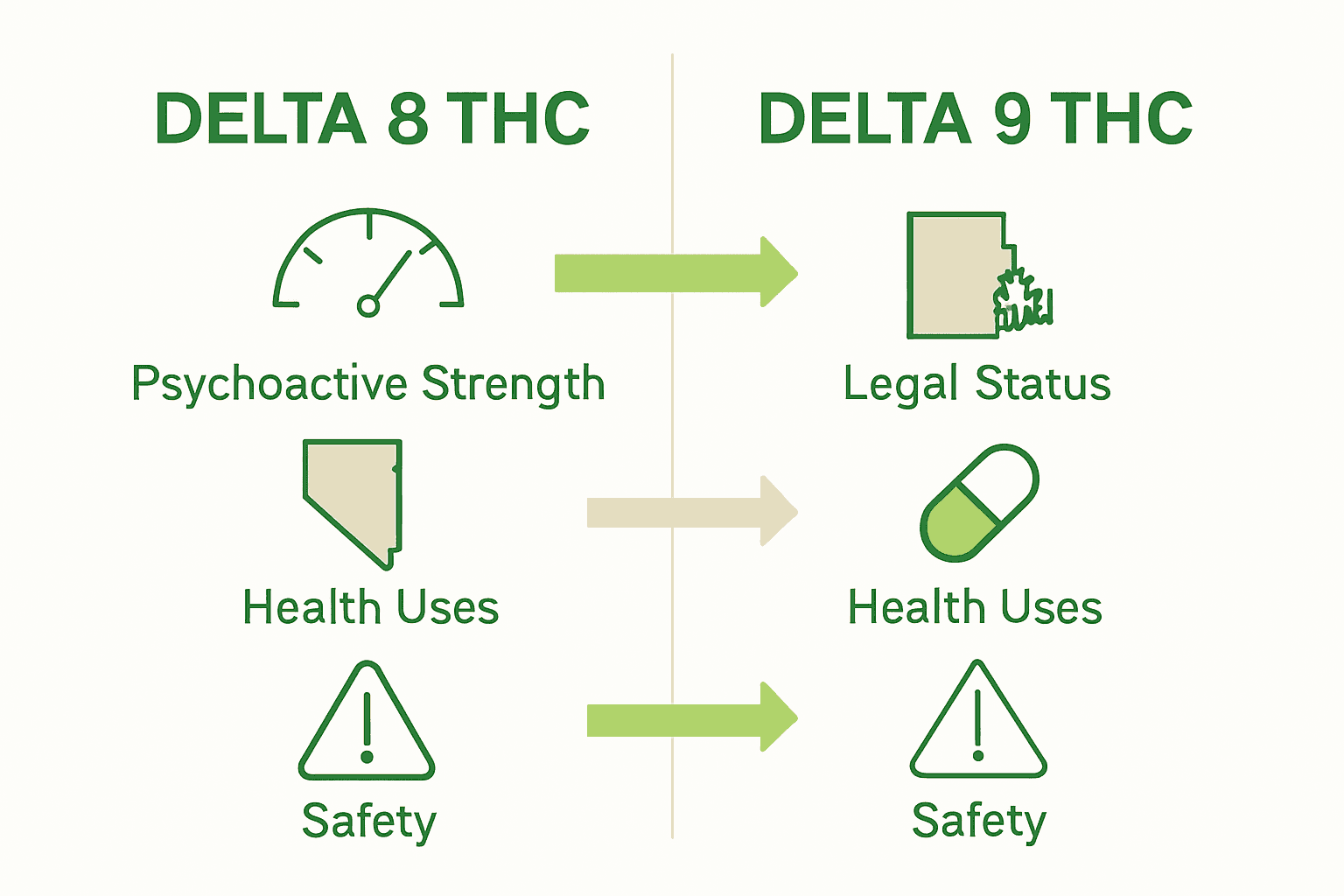
| Psychoactive Effects | Delta 8 THC offers milder and more controlled psychoactive effects compared to the stronger, more intense experience of Delta 9 THC. |
| Legal Status | Delta 8 THC exists in a legal gray area, often being legal if hemp-derived, while Delta 9 THC is federally illegal with varying state regulations. |
| Health Applications | Anecdotal evidence for Delta 8 suggests it may help with nausea and anxiety, whereas Delta 9 is noted for pain relief and appetite stimulation, though more research is needed. |
| Safety Concerns | Delta 8 products face significant safety issues due to inconsistent manufacturing and lack of regulation, raising concerns about potential adverse health effects. |
 |
|
Cannabis compounds can be complex, but understanding Delta 8 and Delta 9 THC doesn’t have to be. According to Britannica, these are naturally occurring chemical compounds found in cannabis plants that share similar molecular structures but produce different effects.
Delta 9 THC is the primary psychoactive compound most people associate with cannabis. It’s responsible for the traditional “high” sensation and has more pronounced psychological and physiological impacts. In contrast, Britannica notes that Delta 8 THC offers milder psychoactive effects, making it an intriguing alternative for consumers seeking a more moderate experience.
The key differences between these compounds center on their chemical structures and interaction with the body’s endocannabinoid system. While both are tetrahydrocannabinol (THC) variants, Delta 8 provides a subtler, more controlled experience. Users often report feeling less anxious and experiencing a smoother, more functional state of relaxation compared to Delta 9’s more intense effects.
Here’s a comparison of Delta 8 and Delta 9 THC characteristics:
| Feature | Delta 8 THC | Delta 9 THC |
|---|---|---|
| Psychoactive Intensity | Mild Subtle effects |
Strong Intense high |
| Common Effects | Relaxation Less anxiety Potential sedation |
Euphoria Altered perception Increased anxiety possible |
| Legal Status (U.S.) | Legal gray area Often legal if hemp-derived |
Federally illegal State-level exceptions |
| Product Availability | Widely available Gas stations Online shops |
Dispensaries Restricted sales |
| Health Uses (Anecdotal) | Reduce nausea Manage anxiety Pain relief |
Appetite stimulation Pain relief Nausea reduction |
| Side Effects | Drowsiness Dry mouth Fatigue |
Dizziness Anxiety Cognitive impairment |
| Safety Concerns | Manufacturing inconsistencies Unregulated market |
Regulated in legal states Dosage risks |
For those interested in exploring these compounds further, Delta 9 THC – Gummies offers comprehensive insights into how these cannabinoids interact with our body’s receptors. Understanding these nuanced differences can help consumers make more informed choices about their cannabis experience.
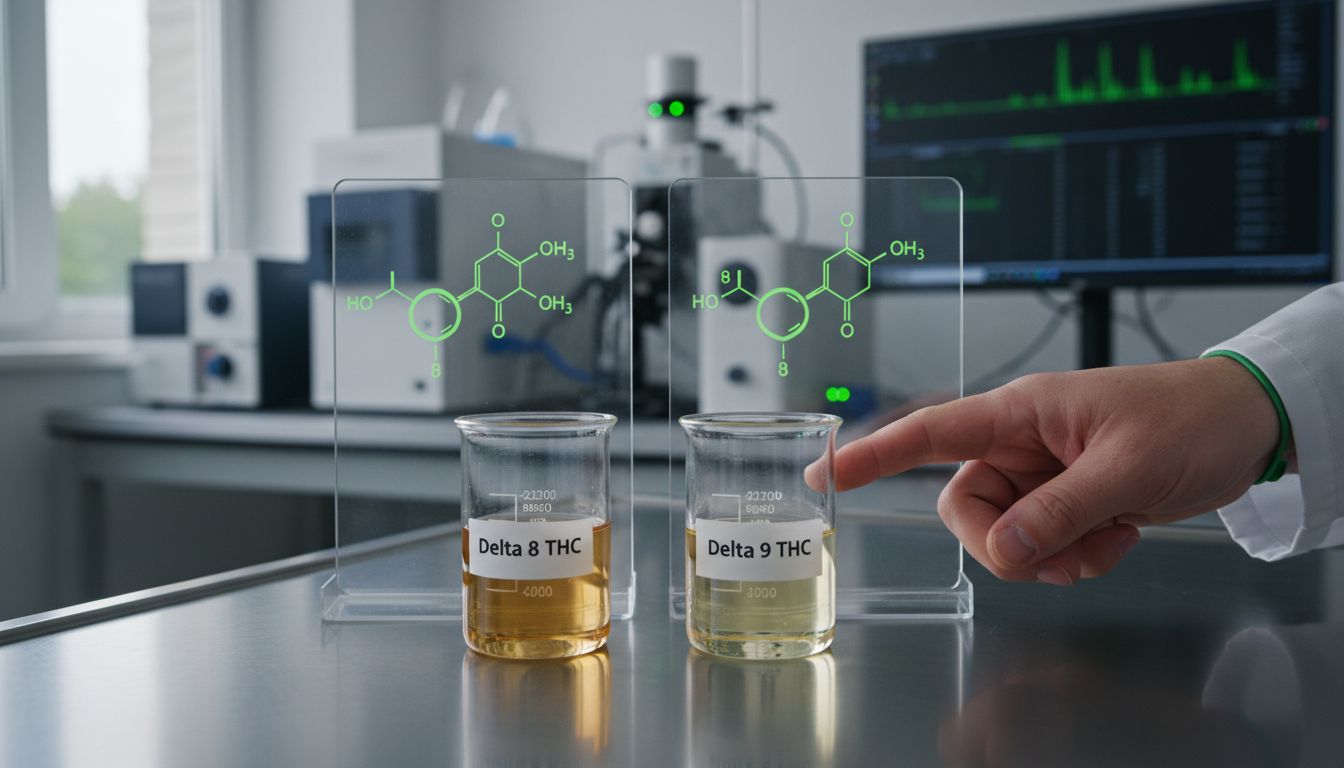
Understanding the chemical structures of Delta 8 and Delta 9 THC reveals fascinating insights into their unique interactions with the human body. According to Britannica, the critical difference lies in the precise location of a double bond within their molecular carbon chain – specifically on the eighth carbon atom for Delta 8 and the ninth for Delta 9.
Avensonline research highlights that while both compounds bind to the same cannabinoid receptors, their psychoactive effects differ significantly. Delta 9 THC typically induces more pronounced psychological experiences like euphoria, while Delta 8 is associated with subtler effects such as visual distortions and potential sedation.
The molecular positioning of these compounds creates nuanced variations in how they interact with our endocannabinoid system. Delta 8’s unique structure results in a gentler psychoactive experience, making it an appealing option for users seeking a more controlled and less intense cannabis interaction. Compared to Delta 9’s more robust effects, Delta 8 offers a more moderate and potentially more manageable experience.
For enthusiasts looking to dive deeper into cannabis biochemistry, our cannabis terminology guide provides comprehensive insights into the complex world of cannabinoid compounds and their intricate interactions with human physiology.
Navigating the legal landscape of Delta 8 and Delta 9 THC can be complex and ever-changing. According to Reuters, the 2018 Farm Bill created a significant legal gray area by legalizing hemp, which entrepreneurs quickly exploited to sell intoxicating hemp-derived cannabinoids like Delta 8 and Delta 10 THC.
PubMed research reveals that Delta 8 THC products are largely unregulated and widely available, often sold in unexpected locations like gas stations and online marketplaces. Federal agencies such as the DEA and FDA continue to question the legal status of these synthetically derived cannabinoids, arguing that they may still fall under the Controlled Substances Act despite the Farm Bill’s provisions.
The legal complexity stems from a critical stipulation: these products must contain less than 0.3% Delta 9 THC to be considered legal under federal guidelines. However, state regulations vary dramatically, with some states fully embracing these cannabinoids while others have implemented strict bans or restrictions. Consumers must carefully research their local laws and understand that the legal landscape can shift rapidly.
For those seeking clarity on cannabis-related terminology and legal nuances, our cannabis terminology guide offers comprehensive insights into the intricate world of cannabinoid regulations and definitions.
Exploring the potential health benefits of Delta 8 and Delta 9 THC reveals an intriguing landscape of promising yet still emerging research. According to Britannica, anecdotal reports suggest Delta 8 THC may offer several potential wellness applications, including reducing nausea, alleviating chronic pain and helping manage anxiety symptoms.
However, PubMed research emphasizes critical caution, noting that most current evidence is largely anecdotal and lacks rigorous peer-reviewed human studies. This means while users report positive experiences, scientific validation remains limited. Potential side effects can include dry mouth, drowsiness and fatigue, highlighting the importance of responsible consumption.
Dosing differences between Delta 8 and Delta 9 THC are significant and require careful consideration. Delta 8 typically provides a milder, more functional experience with reduced intensity compared to Delta 9, which means users might require slightly different dosage approaches. Individual tolerance, body chemistry and desired effects play crucial roles in determining appropriate consumption levels.
For those interested in understanding precise dosing strategies, our guide on dosing THC gummies and drinks safely offers comprehensive insights into responsible and effective cannabinoid consumption, helping consumers make informed decisions about their wellness journey.
Navigating the potential risks of Delta 8 and Delta 9 THC requires careful consideration and informed decision-making. The FDA has raised significant concerns about delta-8-THC products, highlighting critical safety issues related to inconsistent manufacturing processes and potential contamination.
According to MPP, multiple safety challenges emerge in the delta-8 market. These include problematic issues such as lack of age restrictions, unpredictable chemical processing methods and absent standardized testing protocols. Perhaps most alarmingly, many products are packaged in ways that closely resemble children’s snacks like gummies and candies, dramatically increasing the risk of accidental ingestion.
The potential adverse effects extend beyond packaging concerns. The FDA warns of serious potential impacts on central nervous and cardiopulmonary systems, suggesting users should approach these products with significant caution. Common side effects can include dizziness, cognitive impairment, anxiety and potential long-term health complications that are not yet fully understood due to limited comprehensive research.
For consumers seeking responsible consumption guidance, our guide on dosing THC gummies and drinks safely provides essential insights into minimizing risks and making informed choices about cannabinoid products.
Choosing between Delta 8 and Delta 9 THC can feel overwhelming with all the nuances about potency, effects and legal questions described in this guide. You may be looking for a milder, more controlled relaxation or a stronger, classic cannabis experience. At Edwin’s Edibles & Elixirs, we understand these challenges and offer premium, hemp-derived Delta 9 products crafted for quality and consistency. Whether you want fast-acting relief or a longer-lasting edible, our range is designed to help you find the right balance without compromise.
Ready to explore safe and reliable options tailored to your preferences? Check out our Delta 9 Edibles – Edwin’s Edibles & Elixirs and explore carefully crafted Delta 9 THC Gummies – Edwin’s Edibles & Elixirs for a flavorful, effective way to enjoy cannabis. Dive deeper into our full selection of Edibles – Edwin’s Edibles & Elixirs and make your next purchase confidently at EdwinsEdibles.com today.
Delta 8 THC offers milder psychoactive effects and a more controlled experience, while Delta 9 THC is known for its strong and intense high. Their chemical structures differ slightly, affecting how they interact with the body’s endocannabinoid system.
Delta 8 THC exists in a legal gray area and is often legal if derived from hemp and contains less than 0.3% Delta 9 THC. However, state laws can vary dramatically, so it’s essential to check local regulations.
Anecdotal reports suggest that Delta 8 THC may help with nausea, chronic pain and anxiety, while Delta 9 THC is often used for appetite stimulation and pain relief. However, most evidence is not yet rigorously tested.
Common side effects of Delta 8 THC include drowsiness, dry mouth and fatigue, while Delta 9 THC may lead to dizziness, anxiety, cognitive impairment and more intense effects. It’s important for users to approach these compounds cautiously.