
Finding truly organic cannabis edibles can feel overwhelming for many American adults focused on wellness and relaxation. With over 85 percent of consumers prioritizing clean ingredients, the search for fast-acting, infused products is now more complicated due to unclear standards and varying certifications. Understanding what sets apart genuine organic options means knowing how farming methods, supply chain practices and transparent documentation work together to ensure the safest, highest quality cannabis edibles for your health.
| Point | Details |
|---|---|
| Organic Certification Requirements | Cannabis farmers must adhere to rigorous standards that include a three-year prohibition on synthetic substances and a detailed organic system plan. |
| Health Benefits of Organic Edibles | Organic edibles potentially offer cleaner alternatives with reduced exposure to harmful chemicals compared to conventional options. |
| Navigating Certification Challenges | The lack of federal organic certification for cannabis necessitates reliance on state-level certifications and third-party verification for quality assurance. |
| Sourcing Pitfalls | Inconsistent standards and potential for cross-contamination pose significant challenges in ensuring the authenticity of organic cannabis products. |
Organic cannabis farming represents a sophisticated agricultural approach that goes far beyond traditional cultivation methods. The National Organic Program standards establish rigorous guidelines that ensure cannabis crops meet exceptional environmental and agricultural requirements. These standards mandate comprehensive protocols that protect soil quality, prohibit synthetic chemical interventions and prioritize sustainable ecosystem management.
Under the Organic Foods Production Act, cannabis farmers must demonstrate compliance through multiple critical dimensions. First, land must be free of prohibited synthetic substances for a minimum of three years before organic certification. Second, farmers must develop and implement an approved organic system plan that details every aspect of crop production – from seed selection to harvesting techniques. Crop rotation, natural pest management and biodiversity preservation become essential strategies rather than optional practices.
The certification process involves extensive documentation and third-party verification. Organic cannabis farmers must maintain detailed records demonstrating their commitment to environmentally responsible practices. This includes tracking soil amendments, documenting natural fertilization methods and proving the absence of genetically modified organisms (GMOs). Organic certification categories range from 100% organic to products containing at least 70% organic ingredients, providing transparency for consumers seeking high-quality, responsibly produced cannabis products.
Pro tip: Request complete documentation and third-party organic certification from your cannabis provider to ensure you are receiving a truly organic product that meets the highest agricultural standards.
Organic cannabis edibles production represents a sophisticated process that goes far beyond simple ingredient selection. Sustainable manufacturing protocols emphasize comprehensive environmental stewardship and rigorous quality control throughout every stage of production. This approach involves carefully sourcing organic cannabis, selecting complementary organic ingredients and implementing processing techniques that preserve nutritional integrity and minimize environmental impact.
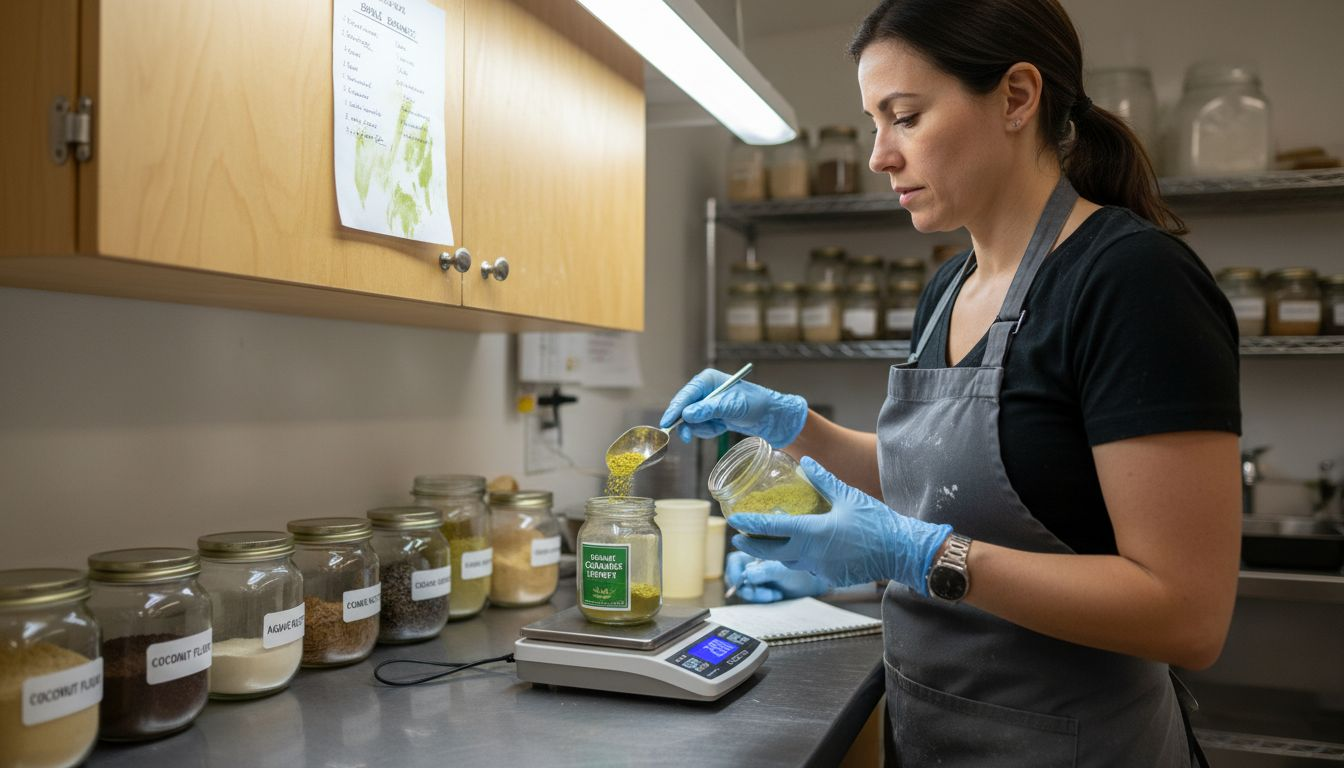
The manufacturing process for organic edibles requires meticulous attention to multiple critical factors. Producers must verify the organic status of each ingredient, ensuring they meet USDA organic certification standards. This means selecting cannabis grown without synthetic pesticides, using natural fertilization methods and maintaining detailed documentation of the entire production chain. Extraction techniques must preserve the plant’s natural compounds while eliminating potential contaminants, utilizing methods like CO2 extraction that maintain the product’s organic integrity.
Quality assurance in organic edibles production involves extensive testing and verification. Manufacturers must implement comprehensive food safety protocols that guarantee product consistency, potency and purity. This includes screening for heavy metals, pesticide residues and microbiological contaminants. Advanced laboratories use sophisticated testing methods to ensure that each batch meets stringent organic and safety standards, providing consumers with transparency and confidence in their cannabis edibles.
Pro tip: Always request detailed lab testing results and organic certification documentation when purchasing cannabis edibles to verify their true organic status and quality.
Emerging cannabis research highlights significant differences between organic and conventionally grown cannabis edibles that extend far beyond simple cultivation methods. Organic edibles potentially offer reduced exposure to synthetic chemicals, presenting a cleaner alternative for health-conscious consumers. The primary distinctions lie in agricultural practices, pesticide usage and overall environmental impact, which can directly influence the final product’s nutritional profile and potential wellness benefits.
The health implications of conventionally grown cannabis edibles involve complex considerations. Conventional cultivation often relies on synthetic pesticides and fertilizers that may leave residual chemical traces in the final product. These residual compounds could potentially introduce additional health risks not present in carefully cultivated organic alternatives. Organic farming practices prioritize natural pest management, soil health and sustainable growing techniques that minimize chemical interventions and preserve the plant’s inherent nutritional integrity.
Chronic consumption of cannabis edibles requires careful evaluation of potential long-term health impacts. Recent medical studies suggest potential vascular health concerns associated with edible consumption, underscoring the importance of product quality and cultivation methods. While more research is needed, preliminary findings indicate that the purity of source materials and production processes can significantly influence an edible’s overall health profile and potential wellness benefits.
Here’s a comparison of organic versus conventional cannabis edibles:
| Aspect | Organic Edibles | Conventional Edibles |
|---|---|---|
| Pesticide Use | Only natural solutions | Synthetic chemicals common |
| Soil Health Approach | Promotes biodiversity | May deplete soil nutrients |
| Certification Level | Subject to strict documentation | Fewer records, less oversight |
| Residual Chemicals | Minimal to none expected | Higher risk of residues |
Pro tip: Consult with healthcare professionals and carefully review third-party lab testing results to understand the specific health implications of your cannabis edible choices.
USDA organic certification standards present a complex landscape for cannabis edibles manufacturers, creating significant challenges in product classification and legal compliance. The current regulatory environment means that federal organic certification remains unavailable for cannabis products, forcing producers to develop alternative approaches to demonstrate product quality and purity. This regulatory limbo requires innovative strategies for communicating a product’s cultivation and processing standards to consumers seeking transparency.
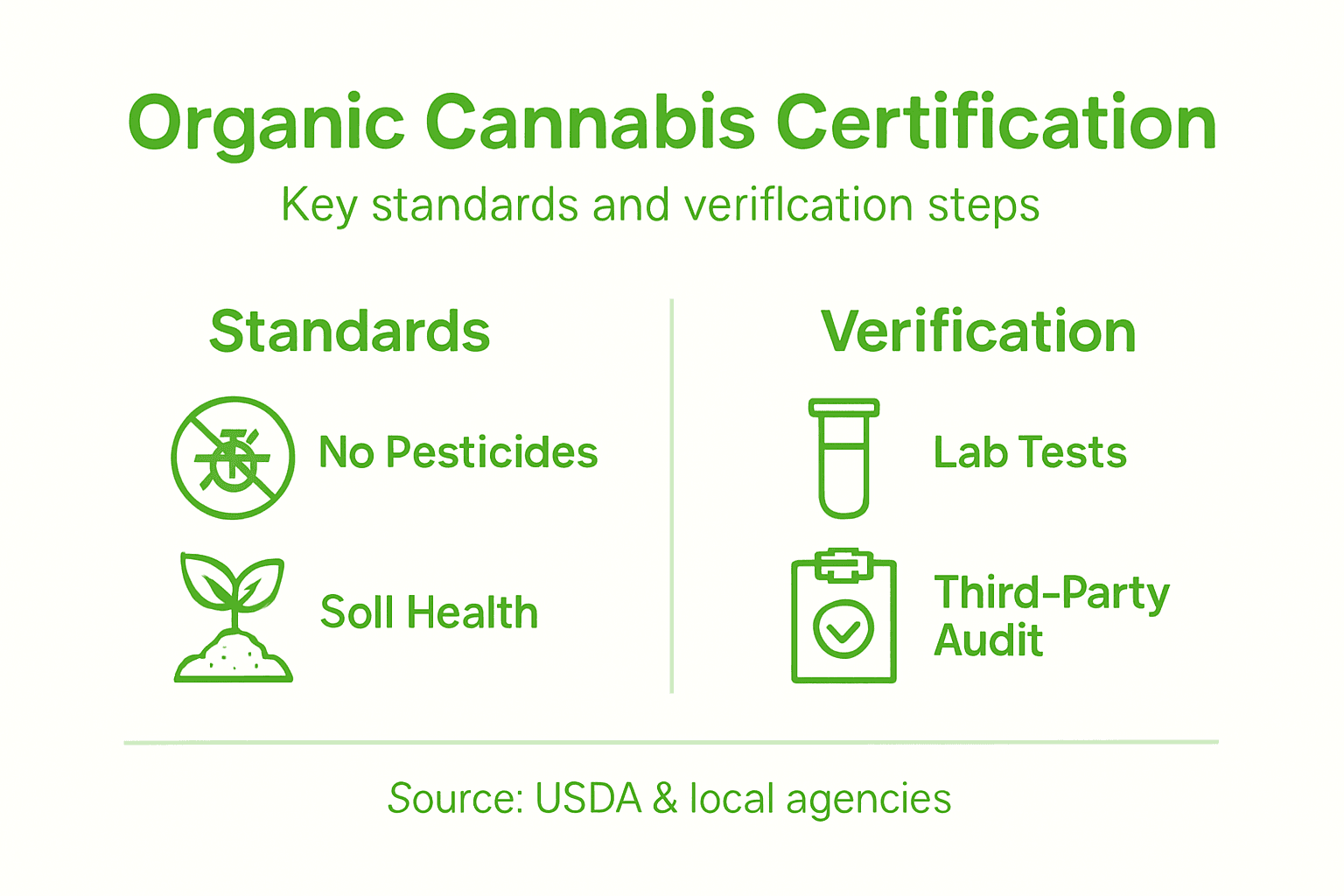
The legal complexities surrounding cannabis organic certification stem from fundamental federal restrictions. While the agricultural industry has well-established organic certification processes, cannabis exists in a unique regulatory gray area. Hemp-derived products may qualify for partial certification, but full cannabis products remain excluded from traditional USDA organic labeling. Manufacturers must therefore rely on state-level certifications, third-party verification programs and rigorous documentation to establish their commitment to organic principles and consumer safety.
Navigating these intricate regulatory requirements demands a nuanced understanding of both federal and state laws. Cannabis certification protocols continue to evolve, with some states developing their own organic verification frameworks to address the federal certification gap. Producers must stay informed about changing regulations, maintain meticulous documentation of cultivation practices and be prepared to demonstrate their commitment to organic principles through comprehensive testing and transparent supply chain management.
Pro tip: Always request detailed third-party lab testing results and verify the specific organic certification standards applied to your cannabis edibles to ensure maximum transparency and quality assurance.
Cannabis sourcing challenges create complex obstacles for manufacturers seeking genuine organic products. The most significant pitfalls emerge from regulatory uncertainties, inconsistent certification standards and the absence of comprehensive federal guidelines for cannabis organic verification. Producers must navigate an intricate landscape where traditional organic certification frameworks do not fully encompass cannabis cultivation, requiring innovative approaches to demonstrate product quality and purity.
The supply chain for organic cannabis involves multiple critical points of potential contamination and quality degradation. Inconsistent testing protocols, lack of standardized cultivation practices and limited transparency can compromise the organic integrity of cannabis products. Manufacturers must implement rigorous documentation processes, conduct comprehensive third-party testing and maintain meticulous records of every stage of production to mitigate these inherent risks and ensure consumer trust.
Global quality standards highlight the importance of establishing robust traceability mechanisms in organic cannabis sourcing. Key challenges include verifying the authenticity of organic claims, preventing cross-contamination during cultivation and processing and maintaining consistent product quality across different growing environments. Successful organic cannabis sourcing requires a multifaceted approach that combines scientific testing, regulatory compliance and transparent supply chain management.
This summary outlines key obstacles in organic cannabis sourcing:
| Challenge | Supply Chain Risk | Mitigation Strategy |
|---|---|---|
| Certification confusion | Potential for mislabeling | Third-party verification |
| Cross-contamination | Loss of organic status | Isolated processing zones |
| Inconsistent testing | Undetected contaminants | Standardized lab protocols |
| Limited transparency | Trust issues for buyers | Complete supply chain records |
Pro tip: Request comprehensive documentation including detailed cultivation logs, third-party lab test results and full traceability records to validate the true organic status of cannabis products.
Navigating the challenges of organic cannabis cultivation and edibles production can be overwhelming due to regulatory gaps and certification complexities. This article highlights the importance of transparency in sourcing, rigorous testing and sustainable farming practices to ensure purity and health benefits. If you value edibles made with natural, verified ingredients free from synthetic pesticides and contaminants you need trustworthy products crafted with care and integrity.
Discover our selection of Organic CBD Gummies and Vegan THC Gummies at Edwin’s Edibles & Elixirs. We prioritize small-batch, hemp-derived products infused using proprietary TiME INFUSION® technology that delivers fast-acting effects without compromising quality or your health. Each batch undergoes detailed third-party lab testing so you can enjoy peace of mind with every bite.
Ready to experience premium organic cannabis edibles that truly support your wellness journey shop now at EdwinsEdibles.com and take control of your cannabis consumption today.
Organic cannabis edibles offer reduced exposure to synthetic chemicals, promoting a cleaner and potentially healthier alternative for consumers. They typically preserve the plant’s nutritional integrity through sustainable agricultural practices.
You can verify the organic status of cannabis edibles by requesting detailed lab testing results and third-party certification documentation from the manufacturer, ensuring that all ingredients meet USDA organic standards.
Organic cannabis edibles prioritize natural pest management and sustainable farming practices, while conventionally grown edibles may use synthetic pesticides and fertilizers, leading to potential chemical residues in the final product.
The manufacturing process for organic edibles involves comprehensive testing for contaminants and strict adherence to food safety protocols. This includes screening for heavy metals, pesticide residues and ensuring that all ingredients are verified organic.