
Over 80 million american adults have tried cannabis in some form, yet many still feel confused about the differences between Sativa, Indica and Hybrid edibles. For those interested in their health or curious about recreational options, knowing what makes Sativa unique is key. This guide uncovers the science behind Sativa’s properties, how its edibles work in the body and what every american should consider before exploring Sativa-based products.
| Point | Details |
|---|---|
| Cannabis Sativa Characteristics | Sativa plants are known for their height, unique features and a cannabinoid profile that interacts with the body’s endocannabinoid system, notably affecting mood and appetite. |
| Edibles and Metabolism | Regular onset Sativa edibles create a gradual onset of effects, often taking 30 minutes to 2 hours to feel, with a lasting influence due to metabolic conversion of THC. |
| Legal Considerations | Understanding the legal status of Sativa edibles in different jurisdictions is crucial, as laws vary significantly across states regarding THC content and consumption. |
| Consumption Safety Tips | For responsible consumption, users should start with low doses, wait for effects before redosing and maintain a comfortable environment to ensure a positive experience. |
Cannabis Sativa is a remarkable botanical species with unique characteristics that distinguish it from other cannabis varieties. According to NCBI, this herbaceous plant can grow impressively tall, reaching up to 6 meters in height and features distinctive fluted stems and palmate leaves with serrated edges.
At its core, Sativa contains a complex profile of cannabinoids like THC and CBD that interact dynamically with the human body’s endocannabinoid system. NCBI research reveals that these compounds specifically engage with CB1 and CB2 receptors, which play critical roles in neurological and immune system functioning. The CB1 receptors primarily located in the central nervous system can influence key physiological processes including:
The CB2 receptors, conversely, are predominantly associated with immune system responses and inflammation management. This intricate interaction between Sativa’s cannabinoids and the human body’s receptor systems underscores the plant’s potential therapeutic and recreational applications.
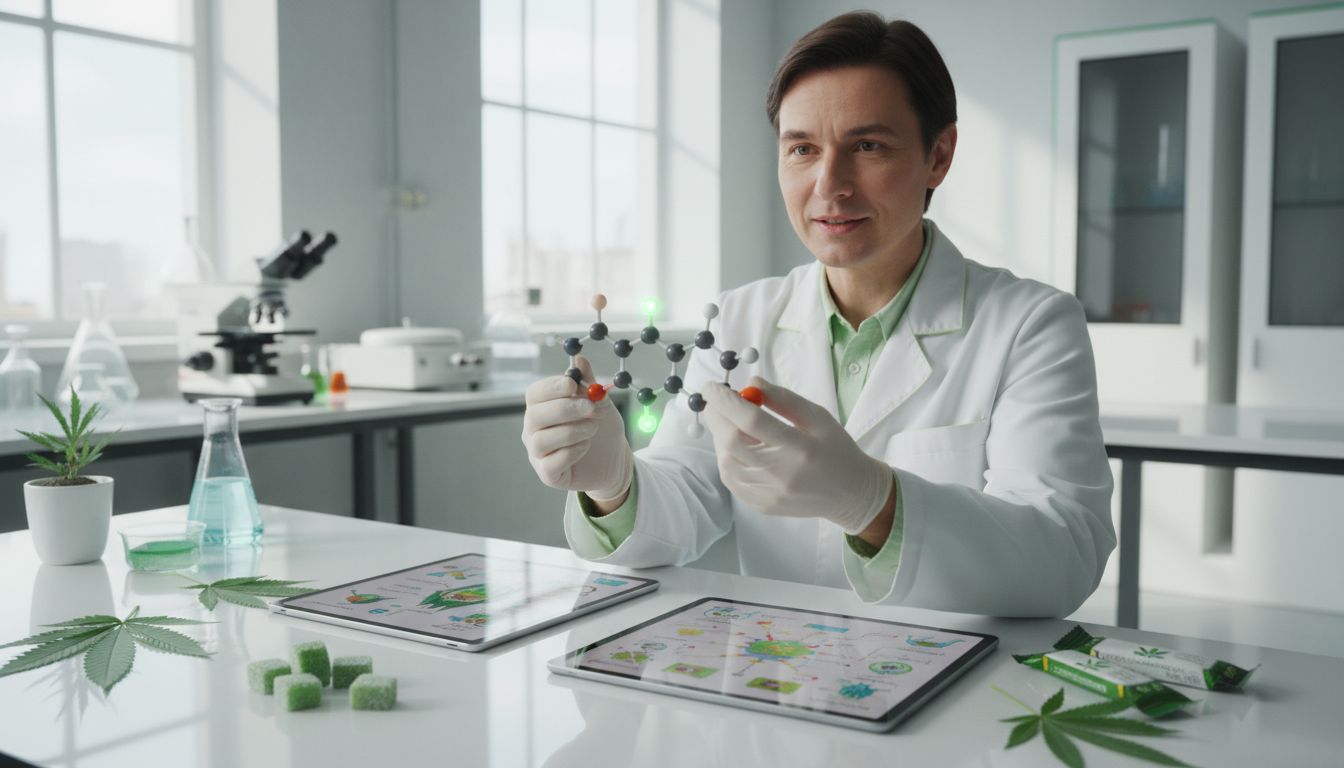 Unlike other cannabis varieties, Sativa strains are typically characterized by their energizing and uplifting effects, making them particularly appealing for daytime use and creative endeavors.
Sativa edibles deliver a unique and complex physiological experience that sets them apart from other cannabis consumption methods. NCBI research reveals that when THC from Sativa is consumed as an edible, it undergoes a fascinating metabolic transformation. Through first-pass metabolism in the liver, THC converts to 11-hydroxy-THC, a significantly more potent metabolite that dramatically influences the overall experience.
This metabolic process results in distinctive consumption characteristics. Unlike inhaled cannabis, edibles create a delayed onset of effects, typically emerging between 30 minutes to 2 hours after consumption, with a prolonged duration that can last several hours. The extended metabolic pathway means users experience a more gradual, sustained interaction with cannabinoids, which can provide a more controlled and predictable experience.
Interestingly, NCBI research also suggests that cannabinoids in Sativa edibles can impact physiological behaviors beyond their primary effects. These compounds may potentially:
For consumers seeking an uplifting, energetic experience, Sativa-based edibles offer a nuanced alternative to traditional consumption methods. The unique metabolic journey from THC to 11-hydroxy-THC creates a more intense, longer-lasting effect that distinguishes Sativa edibles as a sophisticated choice for both recreational and potential therapeutic applications.
Sativa edibles represent a diverse and innovative landscape of cannabis-infused products designed to deliver unique experiences. According to Athena Forum, marijuana edibles encompass a wide range of delectable options, including brownies, cookies, drinks, popcorn and an array of candies like gummies and chocolates. Each product is carefully crafted to infuse cannabis extracts that deliver targeted cannabinoid profiles.
The world of Sativa infusions extends far beyond traditional consumption methods, offering consumers unprecedented variety and customization. NEHA research highlights that cannabis-infused products now span baked goods, beverages and even homemade creations, providing multiple avenues for cannabinoid delivery. These innovative products are specifically designed to offer oral consumption options that cater to different preferences and lifestyle needs.
Sativa edible varieties typically fall into several key categories:
For consumers seeking an energizing and uplifting experience, Sativa-based edibles offer a sophisticated alternative to traditional consumption methods. The diversity of infusion techniques and product types ensures that every user can find a consumption method that aligns perfectly with their individual preferences and desired effects.
NCBI research highlights the complex legal landscape surrounding Sativa edibles in the United States. Marijuana containing THC concentrations above 0.3% remains classified as a Schedule I substance under the Controlled Substances Act, creating a nuanced regulatory environment that varies dramatically across different states and jurisdictions.
The legal framework for cannabis-infused products is intricate and continuously evolving. NEHA emphasizes that state-specific regulations are crucial in determining the legality of cannabis products. This means consumers must carefully navigate a patchwork of local and state laws that can differ significantly from one jurisdiction to another.
Key legal considerations for Sativa edibles include:
Navigating this complex legal landscape requires consumers to stay informed about current regulations in their specific location. While some states have fully legalized cannabis edibles for recreational and medical use, others maintain strict prohibitions or limited medical access. Understanding these nuanced legal distinctions is essential for responsible and compliant consumption of Sativa-based edible products.
Understanding the nuanced world of Sativa edible consumption requires careful attention to dosing and timing. Revenue Files research reveals critical insights about edible marijuana products, highlighting that effects can take up to two hours to manifest and potentially last up to 12 hours. This extended duration underscores the importance of measured and thoughtful consumption.
Public Health emphasizes that many edible products contain multiple doses of THC, which can lead to unintentional overconsumption if consumers are not careful. The potency and prolonged effects of Sativa edibles demand a strategic approach to dosage and consumption.
Key safety tips for responsible Sativa edible consumption include:
For new users, professional guidance and gradual exploration are crucial. Understanding individual tolerance, being mindful of personal health conditions and respecting the potent nature of Sativa edibles can transform the experience from potentially overwhelming to genuinely enjoyable and therapeutic.
Navigating the world of cannabis edibles requires understanding the distinctive characteristics of Sativa, Indica and Hybrid strains. NEHA research highlights that each cannabis category offers unique effects, making strain selection a personalized experience based on individual needs and desired outcomes.
NCBI research emphasizes the fundamental differences between Cannabis sativa and Cannabis indica, revealing their distinct chemical profiles and physiological impacts. These variations create nuanced experiences that cater to different consumer preferences and wellness objectives.
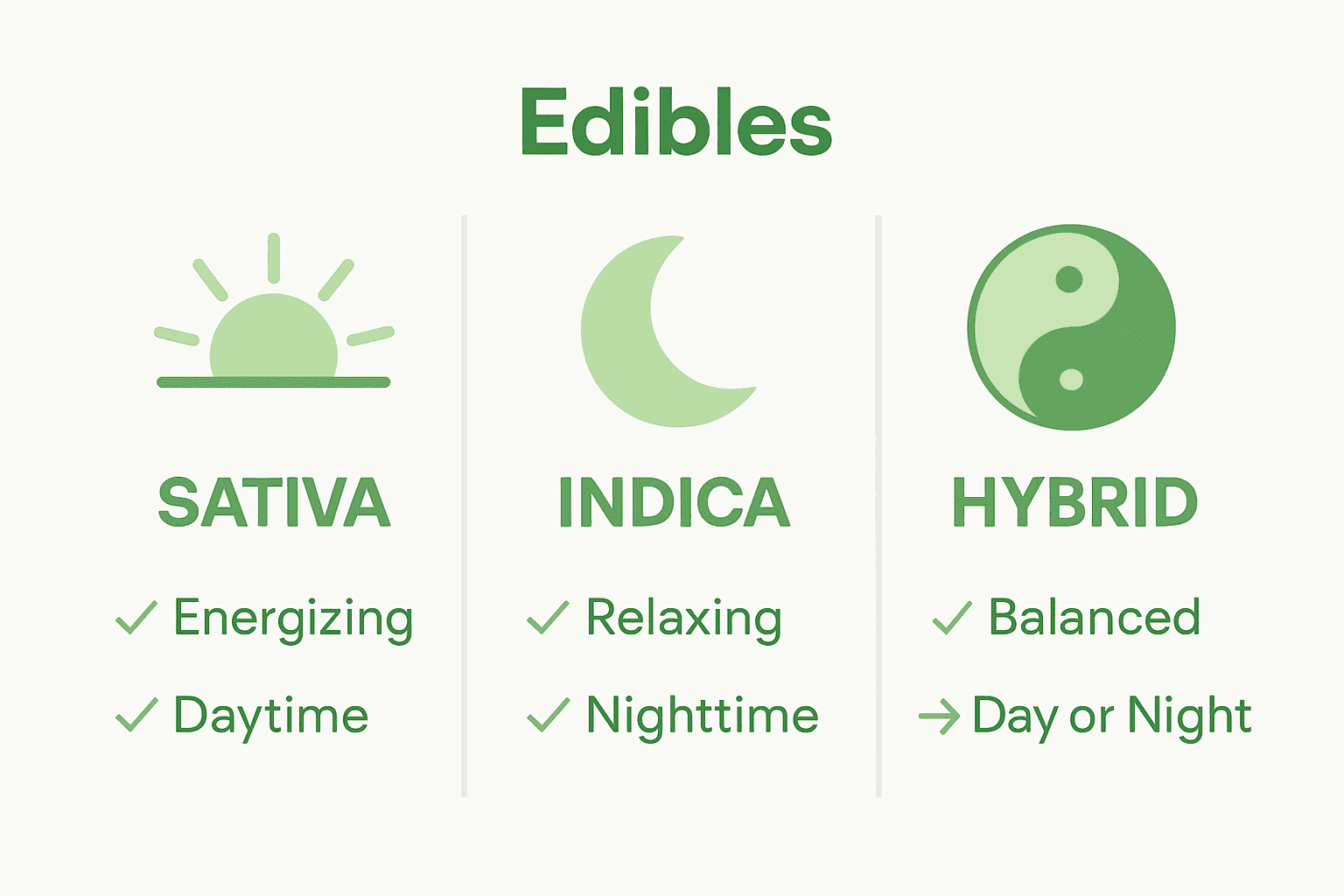
Key characteristics of each strain type include:
Sativa Edibles:
Indica Edibles:
Hybrid Edibles:
Choosing the right cannabis edible is a deeply personal journey that depends on individual tolerance, desired effects and specific wellness goals. Consumers should approach selection with mindfulness, starting with low doses and understanding their unique physiological responses to different strain types.
If you crave an uplifting and creative experience, understanding the unique properties of Sativa edibles is key. This article highlights how Sativa strains interact with the body differently and offer longer-lasting, stimulating effects especially through edible consumption. Many users face challenges like unpredictable dosing timing and the need for trusted products that deliver consistent results. Edwin’s Edibles & Elixirs addresses these concerns with our premium range of fast-acting THC Gummies and refreshing THC Drinks & Edibles made using proprietary TiME INFUSION® technology for precise and reliable effects.
Explore our carefully crafted options designed to fit your lifestyle and wellness goals. Whether you want daytime focus or a creative boost, our organic, hemp-derived Delta 9 THC products provide safety and quality you can trust. Take control of your experience today by visiting Edwin’s Edibles & Elixirs and find your perfect Sativa edible. Start low and go slow with products made to keep you comfortable and in charge of your journey.
Sativa edibles are known for their energizing and uplifting effects, making them ideal for daytime use. They promote creativity and focus without the sedative properties typical of Indica strains.
When consumed, THC in Sativa edibles undergoes first-pass metabolism in the liver, converting to 11-hydroxy-THC, which is a more potent metabolite. This results in a delayed onset of effects, typically taking 30 minutes to 2 hours to be felt.
It’s important to start with low doses and wait at least 2 hours before considering additional consumption. Many Sativa edibles contain multiple doses of THC, so reading labels carefully is essential to avoid unintentional overconsumption.
Sativa edibles provide uplifting effects perfect for daytime use, while Indica edibles tend to be more relaxing, ideal for evening consumption. Hybrid edibles offer a blend of both effects, making them versatile for various needs throughout the day.