
Choosing a Delta 9 THC edible can feel confusing with all the numbers and jargon on the label. Many health-conscious Americans want reliable relaxation without second-guessing every product detail. Real research shows that THC potency is more than just a percentage and your unique body chemistry shapes every experience. This guide clears up common myths about THC, explains the science behind potency and helps you understand what really matters for safe, enjoyable consumption.
| Point | Details |
|---|---|
| Understanding THC Potency | THC potency is complex and higher percentages do not guarantee a more intense experience due to various individual factors like body chemistry and tolerance. |
| Types of THC Variants | Different THC types (Delta-9, Delta-8, Delta-10, synthetic) offer unique effects and consumers should understand these differences for informed choices. |
| Importance of Accurate Labeling | THC product labels must clearly disclose potency, ingredients and safety information to ensure consumer safety and informed decision-making. |
| Safe Consumption Guidelines | Start with low doses and wait for effects, as edibles can take time to activate, reducing the risk of overconsumption. |
Understanding THC potency involves more than just numbers on a label. It’s a complex measurement of the primary psychoactive compound in cannabis that determines how strongly the product might impact your experience. The concentration of delta-9-tetrahydrocannabinol (THC) directly influences the potential intensity of effects, but it’s not as straightforward as many consumers believe.
THC potency is scientifically defined as the percentage or concentration of delta-9-tetrahydrocannabinol in a cannabis product. Unlike popular misconceptions, potency isn’t a simple indicator of a guaranteed experience. Cannabis research demonstrates that individual reactions vary significantly based on multiple factors including:
Many consumers mistakenly assume that higher THC percentages automatically translate to more intense or enjoyable experiences. This myth overlooks the complex interactions between cannabinoids, often referred to as the “entourage effect.” Cannabinoid interactions are far more nuanced than a single potency percentage can reveal.
Higher THC doesn’t always mean a better or more predictable experience – individual biochemistry plays a crucial role.
The most common myths surrounding THC potency include believing that:
Pro tip: Always start with lower potency products and gradually understand your personal response, paying attention to how different concentrations affect your unique body chemistry.
THC variations are more complex than most consumers realize. Cannabinoid research reveals multiple distinct forms of tetrahydrocannabinol, each with unique characteristics and potential effects on the human body. Understanding these variations is crucial for informed consumption and managing expectations.
The primary types of THC include:
Delta-9 THC remains the gold standard in cannabis experiences, producing the most pronounced psychoactive effects. This compound directly interacts with the brain’s cannabinoid receptors, triggering the classic cannabis “high” that many users seek. Molecular structure plays a critical role in determining how each THC variant impacts human neurochemistry.

Here’s a concise comparison of common THC variants and their characteristics:
| THC Type | Psychoactive Strength | Legal Status (U.S.) | Typical Effects |
|---|---|---|---|
| Delta-9 THC | Strong | Varied by state | Intense euphoria, relaxation |
| Delta-8 THC | Moderate | Often legal, less regulated | Mild high, reduced anxiety |
| Delta-10 THC | Mild | Unclear, varies | Subtle mood enhancement |
| Synthetic THC | Varies | Prescription only | Controlled medical use |
Not all THC is created equal – each variant offers a unique physiological experience.
The key differences between THC types extend beyond just potency. Factors that distinguish these compounds include:
Pro tip: Consult with cannabis professionals and start with lower potency products to understand how different THC types uniquely interact with your individual body chemistry.
THC potency measurement is a sophisticated scientific process that goes far beyond simple percentage calculations. Sophisticated laboratory techniques reveal the complexity of accurately determining cannabinoid concentrations in edible products. Understanding these measurement methods helps consumers make more informed choices about their cannabis consumption.
The primary methods for measuring THC potency in edibles include:
Most cannabis laboratories use HPLC as the primary technique for potency testing. This method allows for extremely precise measurement of THC content, typically expressed in milligrams per serving. Standardized dosing typically ranges from 5-10 mg per serving, though this can vary significantly between products and jurisdictions.
For quick reference, here’s a summary of laboratory methods used to measure THC potency in edibles:
| Method | Accuracy Level | Common Use Case |
|---|---|---|
| HPLC | Very high | Standard for edibles testing |
| Gas Chromatography | High | Raw plant material analysis |
| Mass Spectrometry | Extremely high | Detailed compound identification |
| Spectrophotometric Analysis | Moderate | General concentration checks |
Laboratory testing reveals that actual THC content can differ up to 20% from labeled potency.
Key challenges in THC potency measurement include:
Pro tip: Always review third-party lab testing results and understand that labeled potency can vary from actual THC content.
Navigating the complex landscape of THC labeling regulations requires understanding the intricate legal frameworks governing cannabis products. Safety guidelines mandate comprehensive product disclosure, ensuring consumers receive critical information about potency, safety and potential effects.
Key regulatory requirements for THC product labeling include:
The legal landscape for THC labeling varies significantly across different jurisdictions. State-specific regulations often dictate extremely precise labeling requirements, with some regions mandating pictograms, QR codes linking to detailed product information and explicit warnings about potential psychoactive effects.
Accurate labeling isn’t just a legal requirement – it’s a critical consumer safety measure.
Critical elements that must be included on THC product labels:
Pro tip: Always carefully examine product labels and verify third-party testing information before consuming any THC-infused edible.
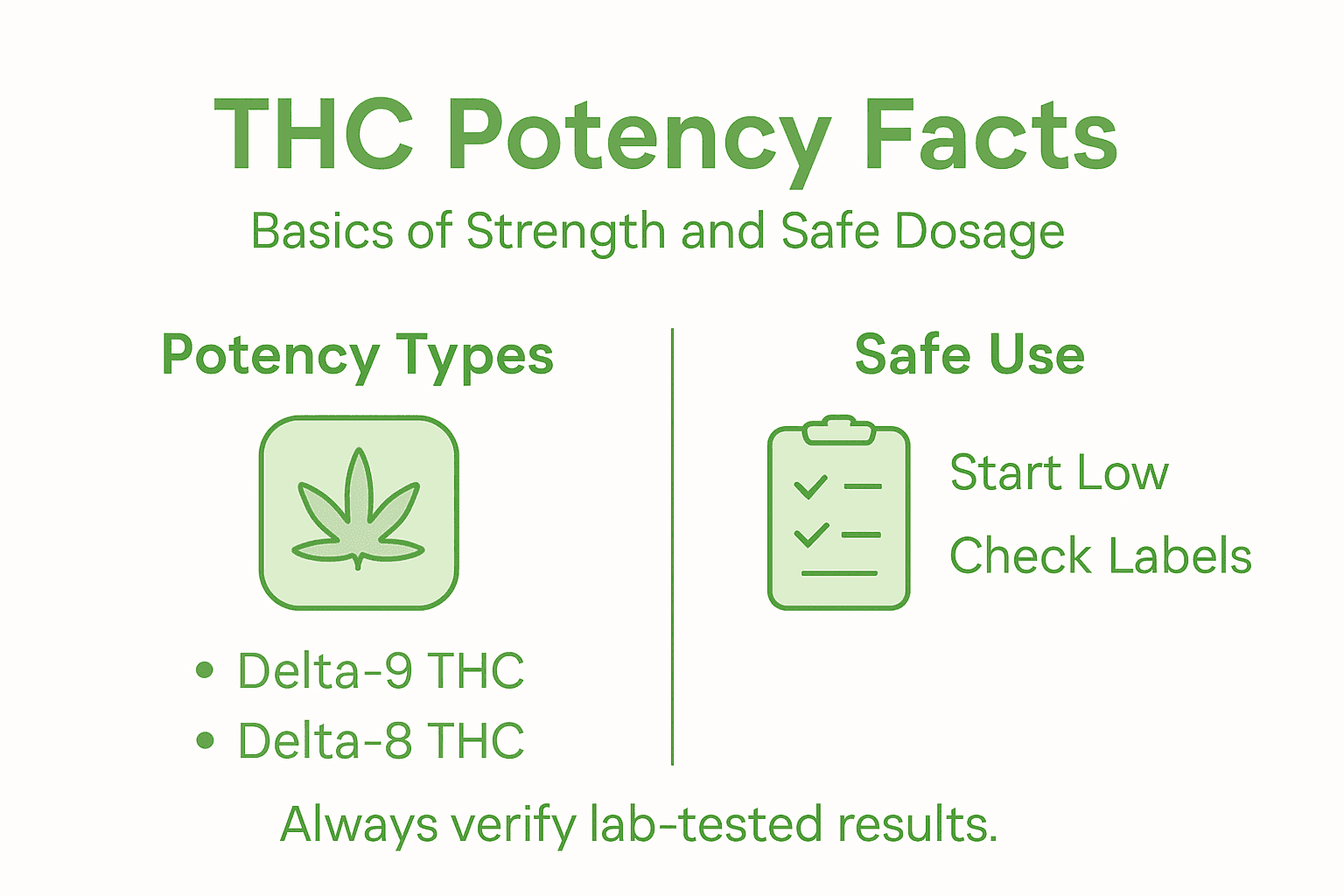
THC consumption requires careful navigation to ensure a safe and enjoyable experience. Safe cannabis use depends on understanding individual tolerance and following precise dosing guidelines that minimize potential health risks.
Key safety considerations for THC edible consumption include:
Edible THC products present unique challenges due to their delayed onset and prolonged effects. Metabolic processing means edibles can take up to two hours to fully activate, with effects potentially lasting six to eight hours. This delayed response increases the risk of accidental overconsumption, as users might mistakenly believe the initial dose was ineffective.
Patience is crucial – consuming more before full effects emerge can lead to uncomfortable experiences.
Recommended dosing guidelines for different experience levels:
Pro tip: Keep a consumption journal to track your individual response and tolerance, helping you make more informed decisions about future THC edible experiences.
Understanding THC potency is key to enjoying edibles safely and effectively. This article highlights common challenges like the unpredictability of strength and the importance of starting with the right dose to avoid uncomfortable experiences. If you are seeking quality products that respect your individual tolerance and delivering consistent, measured effects, Edwin’s Edibles & Elixirs offers solutions you can trust.
Explore our Fast-acting THC Gummies – Edwin’s Edibles & Elixirs designed with proprietary TiME INFUSION® technology to give you reliable potency and quick onset. Prefer plant complexity and nuanced flavor profiles? Dive into our unique selection of products enriched with Cannabis Terpenes – Edwin’s Edibles & Elixirs for a complete entourage effect. Visit https://www.edwinsedibles.com/ today to find the perfect edible match that respects potency, flavor and your personal pacing. Start low, go slow and take control of your cannabis journey with confidence now.
THC potency refers to the concentration of delta-9-tetrahydrocannabinol in a cannabis product. It’s important because it affects the intensity of the psychoactive effects you may experience.
Individual tolerance plays a crucial role in how THC potency affects each person. Factors like body chemistry, previous cannabis use and metabolism can lead to significantly different responses to the same potency level.
The primary types of THC include Delta-9 THC, Delta-8 THC and Delta-10 THC. Delta-9 is the most potent, typically producing intense psychoactive effects, while Delta-8 and Delta-10 are milder, offering different experiences and benefits.
THC potency in edibles is measured using laboratory techniques such as High-Performance Liquid Chromatography (HPLC). This process ensures accurate potency levels are expressed typically in milligrams per serving, allowing consumers to make informed choices.