
Buying cannabis edibles should feel exciting, not stressful. Yet many consumers face a common dilemma: how do you know if the THC gummies or CBD beverage you’re considering is actually safe, accurately labeled and free from harmful contaminants? The answer lies in understanding lab reports. These detailed documents, also called Certificates of Analysis, provide transparent proof of what’s really inside your edibles. This guide will walk you through exactly what lab reports reveal, why they matter for hemp-derived THC and CBD products and how to use them to make confident, informed purchasing decisions in 2026.
| Point | Details |
|---|---|
| Lab reports verify safety | Third-party testing screens for pesticides, heavy metals, solvents and microbial contaminants that could harm your health. |
| Potency confirmation matters | Reports show actual THC and CBD levels, ensuring the product matches label claims for accurate dosing. |
| Understanding reports builds confidence | Learning to read lab details empowers you to choose quality edibles and avoid mislabeled or unsafe products. |
| Transparency promotes trust | Accessible lab reports demonstrate brand commitment to consumer safety and product integrity. |
A lab report, formally known as a Certificate of Analysis (COA), is a detailed document created by an independent testing laboratory that analyzes cannabis edibles for safety and potency. Think of it as a product report card that tells you exactly what’s inside each gummy, beverage, or infused treat. These reports aren’t optional marketing materials. They’re essential tools that verify the safety and quality of CBD edible products by confirming what the label promises is actually what you’re consuming.
Lab reports serve multiple critical functions. First, they confirm cannabinoid levels, showing precise measurements of THC, CBD and minor cannabinoids like CBG or CBN. This ensures the potency matches what’s printed on the packaging, so you can dose accurately and achieve your desired effects. Second, they screen for dangerous contaminants that could compromise your health. These include pesticides used during cultivation, heavy metals absorbed from soil, residual solvents left over from extraction processes and microbial impurities like mold, yeast, or bacteria.
Why does this matter so much? Without testing CBD products, you’re essentially trusting a brand’s word alone. Mislabeled products are surprisingly common in the cannabis industry. Some edibles contain far less THC or CBD than advertised, leaving you disappointed. Others contain more, creating unexpectedly intense experiences or potential legal issues. Worse, untested products might harbor contaminants that cause serious health problems, especially for people with compromised immune systems.
Using lab reports protects you from these risks. They provide objective, scientific proof that what you’re buying is safe, accurately labeled and worth your money. When you understand how to read these documents, you transform from a hopeful buyer into an informed consumer who makes choices based on verified data rather than marketing claims.
Pro Tip: Always check the lab report date and verify the testing laboratory is accredited by organizations like ISO/IEC 17025 to ensure reports are current, reliable and conducted by qualified professionals.
Lab reports might look intimidating at first glance, filled with scientific terminology and numerical data. Breaking them down into key sections makes interpretation straightforward. Every comprehensive COA includes three main areas: cannabinoid potency, terpene profile and contaminant testing. Understanding what each section reveals helps you evaluate product quality quickly and confidently.
The potency section displays measured levels of cannabinoids present in the product. You’ll see THC (the psychoactive compound), CBD (the non-intoxicating compound) and often minor cannabinoids like CBG, CBN, or THCV. These measurements appear as percentages or milligrams per serving. Compare these numbers directly to what’s printed on the product label. Significant discrepancies are red flags. A gummy labeled as 10mg THC should test close to that amount, typically within a 10% margin for manufacturing variance.
Terpene profiles indicate aromatic compounds naturally present in cannabis that affect flavor, aroma and potentially therapeutic effects. Common terpenes include myrcene (earthy, relaxing), limonene (citrus, uplifting) and pinene (pine, alertness). While not directly related to safety, terpene profiles help you select products that match your desired experience. Some consumers prefer specific terpene combinations for their unique effects or flavors.
Contaminant screens form the safety backbone of any lab report. These sections confirm the product passed tests for pesticides, heavy metals, residual solvents and microbial impurities. Each contaminant category has established safety thresholds. Products should show “ND” (not detected) or measurements well below regulatory limits. For detailed explanations of what these results mean, reviewing COA details can clarify technical terminology.
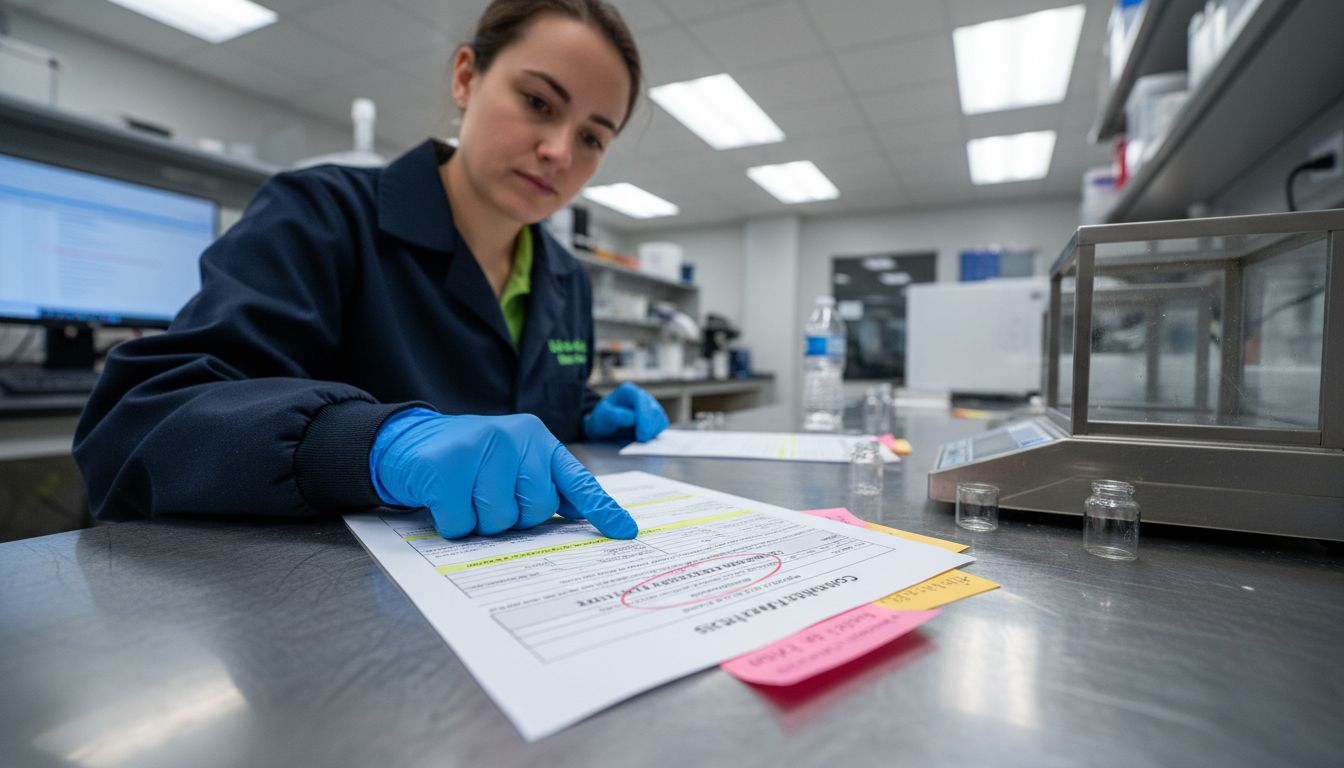
Pro Tip: Create a simple comparison table tracking cannabinoid content versus label claims for products you’re considering, making it easy to spot accurate brands versus those with questionable quality control.
| Report Section | What It Shows | Why It Matters |
|---|---|---|
| Cannabinoid Potency | THC, CBD and minor cannabinoid levels | Confirms accurate dosing and label claims |
| Terpene Profile | Aromatic compounds present | Indicates flavor profile and potential effects |
| Contaminant Testing | Pesticides, metals, solvents, microbes | Verifies product safety for consumption |
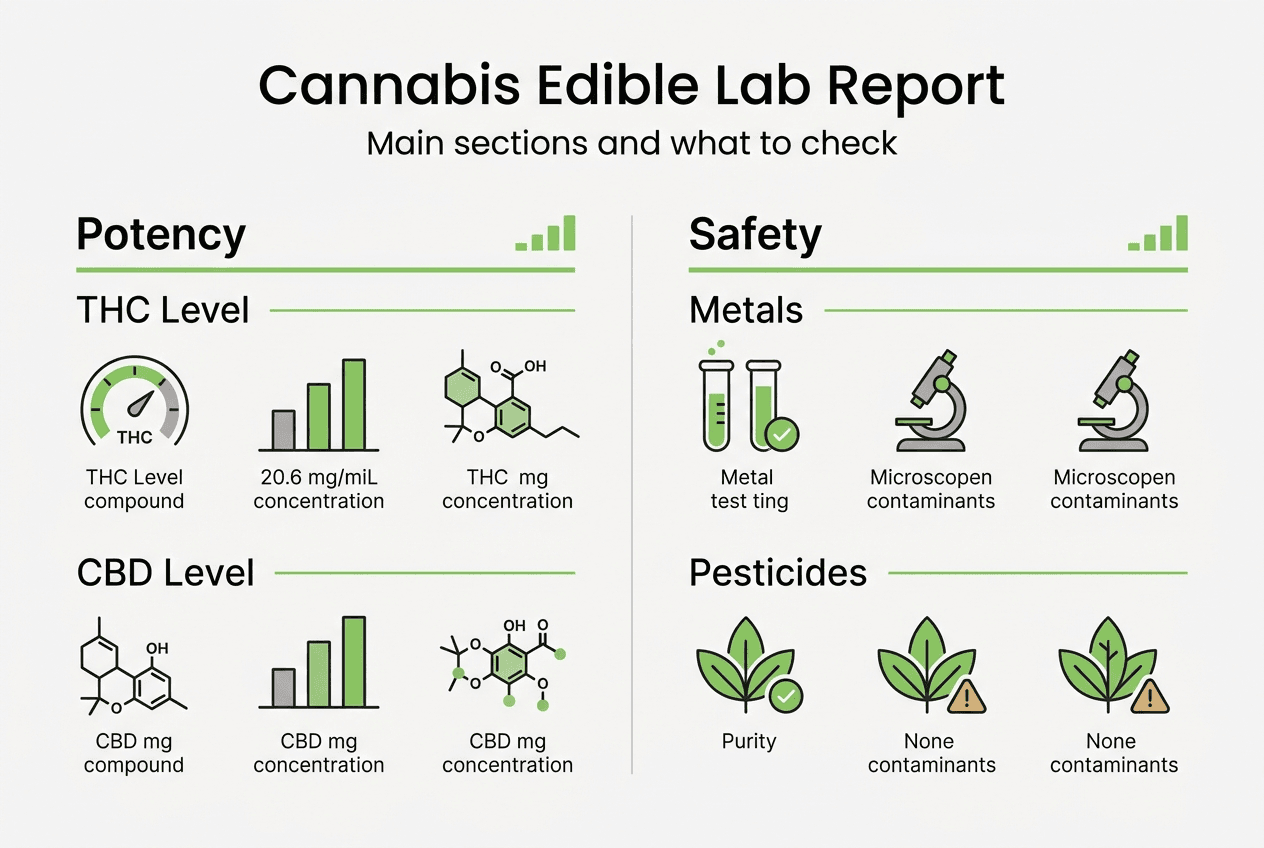
Contaminant testing represents the most critical safety component of any lab report. Cannabis plants are bioaccumulators, meaning they absorb substances from their environment, including harmful compounds from soil, water and pest control treatments. Understanding what contaminants labs screen for and why each matters helps you appreciate the value of thorough testing and recognize truly safe products.
Pesticides are chemical compounds used during cultivation to control insects, fungi and other pests. While effective for protecting crops, many pesticides are toxic to humans when consumed. They can accumulate in your body over time, potentially causing neurological problems, hormone disruption and increased cancer risk. Lab reports verify safety by confirming pesticide levels fall below established safety thresholds or are completely absent.
Heavy metals like lead, arsenic, cadmium and mercury pose severe health risks even in small amounts. Cannabis plants readily absorb these elements from contaminated soil or water. Lead exposure damages the nervous system and impairs cognitive function. Arsenic increases cancer risk. Cadmium harms kidneys and bones. Mercury affects brain development and function. Reputable labs test for all four metals, ensuring edibles are safe for regular consumption.
Residual solvents remain after extraction processes used to create cannabis concentrates and infusions. Common solvents include butane, propane, ethanol and hexane. While extraction techniques aim to remove these completely, traces can linger. Inhaling or ingesting residual solvents may cause respiratory irritation, headaches, dizziness and in severe cases, neurological damage. Safe products show solvent levels at or below detection limits.
Microbial contaminants encompass mold, yeast, bacteria and other microorganisms that can grow on cannabis plants or during processing. While some microbes are harmless, others produce toxins or cause infections, particularly dangerous for immunocompromised individuals. Testing screens for total yeast and mold counts, E. coli, salmonella and other pathogens. Products should pass strict microbial safety standards.
“Comprehensive contaminant testing is non-negotiable for consumer safety. Products that skip or fail these tests put consumers at unnecessary risk, especially vulnerable populations like those with weakened immune systems or chronic health conditions.”
When reviewing CBD product safety testing, look for clear pass/fail indicators or specific measurements showing contaminants are absent or well below harmful levels. Any product failing contaminant tests should be avoided entirely, regardless of price or marketing claims.
Now that you understand what lab reports contain, applying this knowledge to make smart purchasing decisions becomes straightforward. Follow this systematic approach to evaluate products before buying, ensuring you select safe, potent, high-quality hemp-derived cannabis edibles every time.
| Test Category | Pass Threshold | Fail Indicator | What to Do |
|---|---|---|---|
| Pesticides | Below regulatory limits or ND | Any detected above limits | Avoid product completely |
| Heavy Metals | Below safety thresholds | Exceeds safe levels | Do not purchase |
| Residual Solvents | Below detection limits | Detectable amounts present | Skip this product |
| Microbial Contaminants | Passes total counts, no pathogens | Fails counts or pathogens detected | Choose different brand |
| Cannabinoid Potency | Within 10% of label claim | More than 10% variance | Question quality control |
This decision framework transforms lab reports from confusing documents into practical tools. You’re no longer guessing about safety or potency. Instead, you’re making data-driven choices that protect your health and ensure you get exactly what you pay for. Brands offering transparent, accessible lab reports demonstrate respect for consumers and confidence in their products.
Pro Tip: Avoid any products missing recent third-party lab reports entirely, even if they’re cheaper or heavily marketed, as the risks of contamination or mislabeling far outweigh any potential savings.
For consumers seeking verified quality, exploring high potency CBD edibles from brands committed to transparency ensures you’re getting products that have passed rigorous testing standards.
After learning how to read and use lab reports, you’re ready to shop with confidence. Edwin’s Edibles & Elixirs offers an extensive selection of lab-tested hemp-derived THC and CBD edibles, each backed by accessible Certificates of Analysis that verify safety and potency. Whether you’re interested in fast-acting gummies, traditional edibles, or infused beverages, every product undergoes rigorous third-party testing for cannabinoid accuracy and contaminant safety. Explore our comprehensive cannabis edibles guide to understand different product types, or learn how to choose cannabis edibles naturally based on your preferences and needs. Visit Edwin’s Edibles & Elixirs to browse our full collection of premium, lab-verified products designed for consumers who value transparency, quality and safety.
A cannabis edible lab report is a third-party Certificate of Analysis (COA) that verifies product safety and cannabinoid potency through independent laboratory testing. It includes detailed test results showing exact levels of THC, CBD and other cannabinoids, plus screens for contaminants like pesticides, heavy metals, residual solvents and microbial impurities. These reports provide objective proof that edibles are safe for consumption and accurately labeled.
Check that the testing laboratory holds proper accreditation from organizations like ISO/IEC 17025 or state-specific cannabis testing programs. Verify the report date is recent, typically within six months and confirm the batch number matches your product packaging exactly. Legitimate reports include the lab’s contact information and license numbers, which you can cross-reference with state regulatory databases. Some brands also use QR codes linking directly to verified lab results.
Contaminant testing protects consumers from harmful substances that can cause serious health problems, including toxic reactions from pesticides, neurological damage from heavy metals, respiratory issues from residual solvents and infections from microbial impurities. Cannabis plants absorb compounds from their environment, making testing essential to confirm products are safe for consumption. Without contaminant screens, you risk exposing yourself to dangerous substances that accumulate in your body over time.
The potency section shows exact measured levels of THC, CBD and minor cannabinoids like CBG, CBN, or THCV present in the product, typically expressed as percentages or milligrams per serving. This information helps you select products matching your desired effects and dose accurately. Comparing tested potency to label claims reveals whether a brand maintains quality control and honestly represents their products, protecting you from unexpectedly weak or overly strong experiences.
Lab reports significantly reduce risks by confirming products pass rigorous safety and potency standards, but they cannot guarantee 100% safety in all circumstances. Reports verify the tested batch met safety thresholds at the time of testing. However, improper storage, contamination after testing, or individual sensitivities can still create issues. Combining lab report verification with safe handling practices, proper storage and responsible consumption provides the best protection for your health and ensures positive experiences with cannabis edibles.