
Many American adults looking for fast, organic Delta 9 THC edibles are surprised to learn that edible consumption triggers a completely different effect than smoking. For those committed to health and safety, this distinction is critical. Scientific research shows that THC absorption can vary by over 20 percent depending on metabolic pathways. If you want a predictable and enjoyable experience, understanding how edibles interact with your body helps guide smarter dosing choices.
| Point | Details |
|---|---|
| Understanding THC Metabolism | THC absorption varies significantly between edibles and smoking, impacting potency and duration of effects. |
| Individual Variation in Effects | Factors like liver enzymes, body weight and food intake can greatly influence how THC is absorbed and experienced. |
| Careful Dosing is Crucial | Start with low doses of edibles and allow ample time to gauge effects to avoid overconsumption. |
| Safety Precautions | Proper storage and responsible consumption are essential to prevent accidental ingestion, especially in households with children. |
Tetrahydrocannabinol (THC) is the primary psychoactive component in cannabis that interacts directly with the human endocannabinoid system. When consumed through edibles, THC undergoes a complex metabolic process significantly different from other consumption methods. Unlike inhaled cannabis, THC processed through oral ingestion transforms in the liver, creating a more potent and longer-lasting experience.
Traditional myths about THC absorption often misunderstand the biochemical journey cannabinoids take through the human body. Many people incorrectly assume all THC consumption methods produce identical effects, when in reality, edible absorption represents a unique biochemical pathway. The liver converts THC into 11-hydroxy-THC, a metabolite substantially more powerful and capable of crossing the blood-brain barrier more efficiently than delta-9 THC consumed through smoking or vaping.
Scientific research has systematically debunked numerous misconceptions surrounding cannabis consumption. Marijuana myths persist despite evidence challenging long-standing beliefs about safety and potential psychological impacts. Understanding the nuanced absorption process helps consumers make informed decisions about dosage, onset time and potential effects.
Pro Tip: Start with low-dose edibles and wait at least 90 minutes before consuming more to accurately gauge your individual THC absorption and metabolic response.
THC absorption varies dramatically between different consumption methods, with smoking and edibles representing two fundamentally distinct biochemical experiences. Cannabis consumption methods reveal complex differences in how cannabinoids enter the bloodstream and interact with the human body. Smoking delivers THC directly to the lungs, allowing rapid absorption and near-instantaneous effects, typically peaking within minutes and lasting several hours.
Edible consumption presents a dramatically different metabolic pathway. When THC is ingested orally, it must first pass through the digestive system and liver, transforming the molecule into 11-hydroxy-THC – a metabolite significantly more potent than delta-9 THC. Marijuana consumption impacts vascular function differently depending on the method, with edibles producing longer-lasting systemic exposure compared to the immediate impact of smoking.
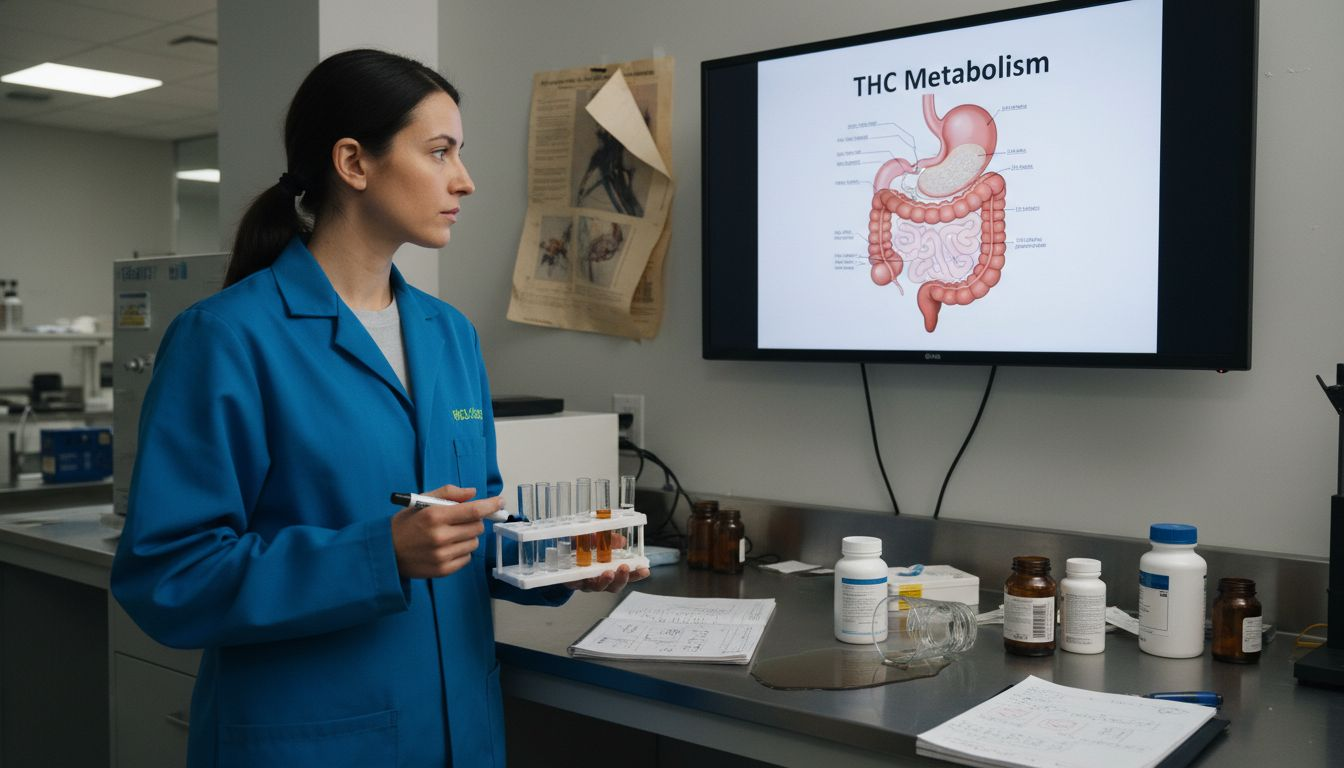
The absorption rate and bioavailability differ substantially between these methods. Smoking typically results in 10-25% THC absorption, with effects felt almost immediately. Conversely, edibles can take 1-2 hours to metabolize, with absorption rates around 4-12%, but producing more prolonged and potentially more intense psychoactive experiences. This variability underscores the importance of understanding individual metabolism, dosage and personal tolerance when selecting a consumption method.
Here’s a side-by-side comparison of how THC is absorbed by edibles and smoking:
| Aspect | Edibles | Smoking |
|---|---|---|
| Onset of Effects | 1-2 hours | 1-10 minutes |
| Duration | 6-8 hours | 2-4 hours |
| Main Metabolite | 11-hydroxy-THC | Delta-9 THC |
| Bioavailability | 4-12% | 10-25% |
Pro Tip: Always start with low doses when exploring new THC consumption methods and allow sufficient time between consumption to understand your unique physiological response.
THC metabolism through edibles represents a complex biochemical journey that dramatically transforms how cannabinoids interact with the human body. Cannabis edible absorption involves an intricate process where THC enters the digestive system and undergoes significant metabolic changes in the liver. Unlike smoking, which delivers THC directly to the bloodstream, edible consumption requires the molecule to pass through multiple metabolic stages before producing psychoactive effects.
When THC is ingested, the liver converts it into 11-hydroxy-THC, a metabolite considerably more potent than the original compound. This transformation allows the molecule to cross the blood-brain barrier more efficiently, resulting in more intense and longer-lasting effects. CBD interaction with THC metabolism can further complicate this process, potentially inhibiting THC breakdown and increasing its bioavailability, which means users might experience more pronounced cognitive and subjective effects.
The metabolic process of edibles creates a unique consumption experience characterized by delayed onset and extended duration. Typically, effects begin 1-2 hours after ingestion and can persist for 6-8 hours, compared to the more immediate but shorter-lasting impact of smoking. Factors like individual metabolism, body weight, food intake and concurrent medications can significantly influence how quickly and intensely THC is processed and experienced.
Pro Tip: Consume edibles on a partially full stomach to moderate absorption rates and minimize potential digestive discomfort while optimizing THC metabolization.
THC bioavailability represents a complex biochemical process influenced by numerous physiological and environmental factors. THC absorption mechanisms demonstrate significant variability based on individual metabolic characteristics, consumption method and biochemical interactions. The human body processes THC through intricate pathways that can dramatically alter its effectiveness, potency and overall impact.
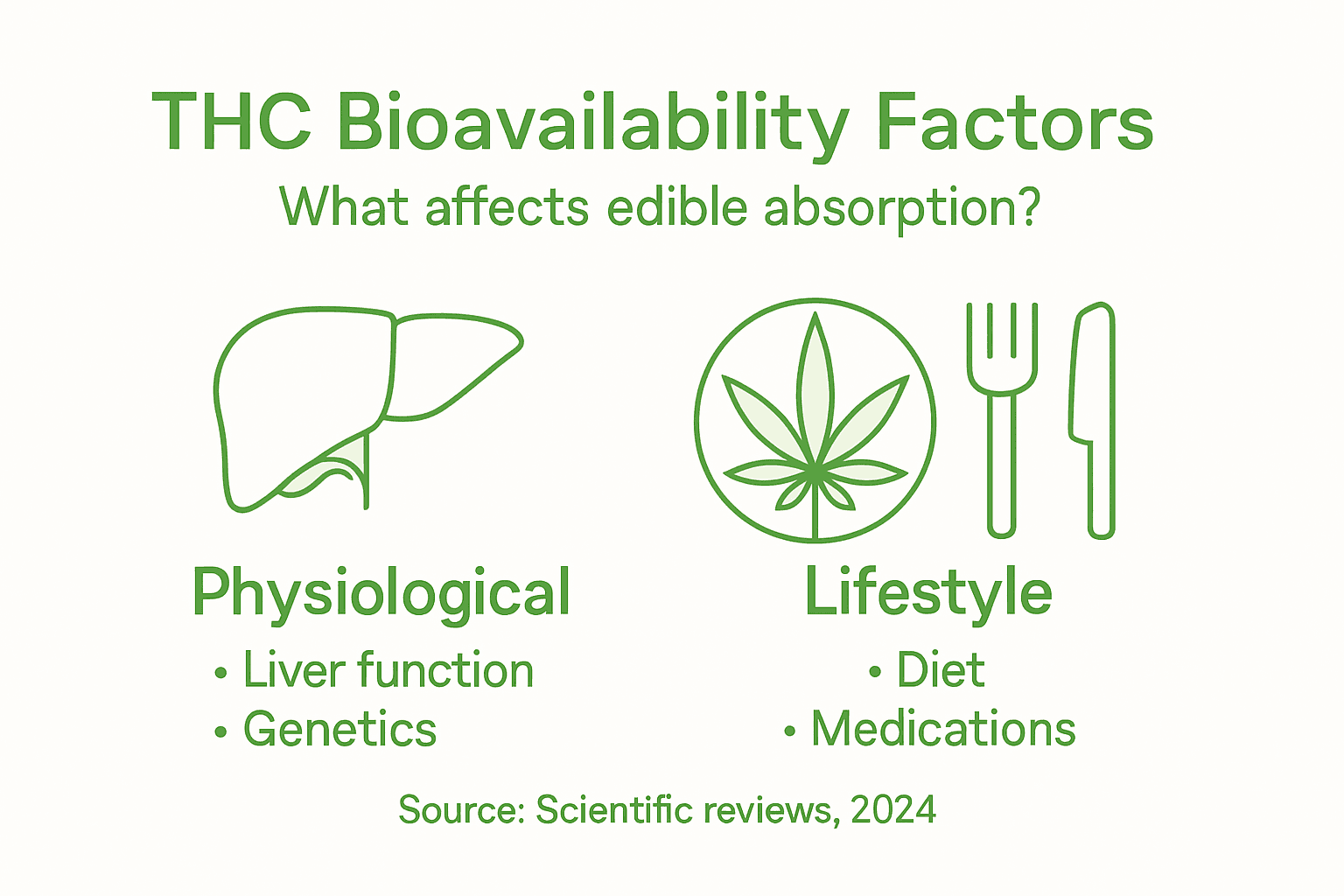
Multiple critical factors determine how efficiently THC is absorbed and utilized by the body. Genetic variations in liver enzyme activity, particularly cytochrome P450 enzymes, can substantially influence metabolic rates. Cannabis concentration and health risks indicate that individual physiological differences mean two people consuming identical doses can experience dramatically different effects. Key determinants include body weight, metabolism speed, food intake, concurrent medication use and overall liver function.
The chemical transformation of THC during metabolism plays a crucial role in bioavailability. When consumed orally, THC undergoes extensive first-pass metabolism in the liver, converting to 11-hydroxy-THC, a more psychoactive compound. This process reduces systemic bioavailability while potentially intensifying cognitive effects. Additional factors like decarboxylation (converting THCA to active THC), product quality and individual tolerance further modulate the overall experience and effectiveness of THC consumption.
Below is a summary of key factors that influence how much THC your body absorbs:
| Factor | Impact on THC Absorption | Example Influence |
|---|---|---|
| Liver Enzymes | Alters metabolic speed | Faster or slower effects |
| Body Weight | Affects distribution | Higher weight may lower potency |
| Food Intake | Modifies absorption rate | Full stomach slows onset |
| Medications | Can increase or decrease absorption | Interactions can intensify or reduce effects |
Pro Tip: Consult with a healthcare professional to understand your unique metabolic profile and potential interactions before exploring THC consumption.
THC consumption requires careful navigation to avoid potential health risks and unintended consequences. Pediatric THC ingestion risks underscore the critical importance of responsible storage and consumption, particularly in households with children. Threshold doses as low as 1.7 mg/kg can produce severe and prolonged adverse effects in young children, highlighting the need for strict safety protocols.
Edible cannabis presents unique challenges compared to other consumption methods. Risks associated with cannabis edibles include delayed onset of effects, which frequently leads to accidental overconsumption. This delayed response can trigger severe symptoms such as acute anxiety, paranoia, impaired motor skills and potential hallucinations. The inconsistent potency across different products further complicates safe consumption, making it essential for users to understand proper dosing and purchase from regulated sources.
Safer THC consumption requires a multifaceted approach. Users should start with low doses, wait sufficient time between consumptions and be acutely aware of their individual physiological responses. Purchasing from licensed, regulated vendors, understanding product labeling and being mindful of interactions with other substances are crucial steps in mitigating potential risks. Proper storage, especially in homes with children or vulnerable individuals, is paramount to preventing accidental exposure.
Pro Tip: Create a secure, locked storage space for cannabis products and always verify the exact THC content before consumption.
Understanding the complex journey of THC absorption is essential to enjoying edibles safely and effectively. The article highlights how metabolism, dosage and delayed onset can impact your edible experience with 11-hydroxy-THC delivering longer-lasting and more potent effects. If you have struggled with unpredictable results or dosing confusion, you are not alone. Edwin’s Edibles & Elixirs offers a solution designed to help you take control of your cannabis journey with our proprietary TiME INFUSION® technology that delivers fast-acting and precisely dosed products.
Explore our premium selection of Fast-acting THC Gummies crafted to provide quicker onset times while maintaining the potency and quality you expect. Whether you prefer organic, carefully formulated options or want to understand more about the complex world of cannabis compounds, we have resources like our Cannabis Terpenes selections to enhance your experience. Visit Edwin’s Edibles & Elixirs now to find products and expert guidance tailored to maximize your edible effects. Start smart today with reliable dosing and enjoy the fullest benefits of THC without surprises.
THC absorption refers to how tetrahydrocannabinol is taken into the body and processed. When consumed through edibles, THC passes through the digestive system and is metabolized in the liver, converting into a more potent form known as 11-hydroxy-THC, which leads to different effects compared to smoking.
The effects of edible THC typically begin 1-2 hours after consumption. This delayed onset is due to the time required for THC to be digested and metabolized in the liver before entering the bloodstream.
The primary differences include the onset time, duration of effects and the metabolites produced. Edibles take longer to metabolize and produce 11-hydroxy-THC, resulting in a more intense and longer-lasting experience, while smoking delivers THC rapidly with effects felt within minutes.
To maximize the effects of THC edibles safely, start with a low dose, wait at least 90 minutes before considering additional consumption and consume on a partially full stomach to optimize absorption. Always be mindful of individual tolerance and metabolic differences.