
Not all hemp products deliver the same experience. The difference between a premium edible that works reliably and one that disappoints often traces back to a single factor: sourcing. Where and how hemp is grown determines potency, purity and whether a product even meets legal THC limits. This guide breaks down what hemp sourcing really means, why it shapes your experience and how to spot quality before you buy.
| Point | Details |
|---|---|
| Sourcing defines quality | Where and how hemp is sourced directly shapes the safety and effectiveness of your products. |
| Regulations are strict in 2026 | Laws now ban many chemical conversions and demand destruction of hemp with excess THC, raising compliance stakes. |
| Transparency is your friend | Choosing hemp products with clear sourcing, third-party testing and US origins helps ensure your safety. |
| Sustainable sourcing matters | Supporting regenerative and organic hemp farms benefits both wellness and the environment. |
Hemp sourcing is the process of selecting and acquiring raw hemp plants or biomass for manufacturing products. It sounds simple, but this decision impacts everything from cannabinoid content to contamination risk. Sourcing location, farming methods and regulatory compliance are the core factors that separate premium products from questionable ones.
Not all hemp is created equal. A plant grown on certified organic hemp farms using regenerative practices will differ dramatically from one cultivated overseas with unknown pesticide use. Origin and standards matter because they determine legality, environmental footprint and the safety of what ends up in your body.
Consider these sourcing fundamentals:
High-quality biomass yields better extraction efficiency, meaning more cannabinoids per pound and less waste. Sourcing decisions ripple through the entire production process, affecting flavor, potency and consistency.
“Quality hemp sourcing isn’t just about meeting minimums. It’s about choosing partners who prioritize purity, sustainability and transparency at every step.”
The connection between sourcing and what you experience is direct and measurable. Cannabinoid potency, absence of contaminants and extraction yields all depend on the raw material’s quality. When brands source carefully, you get products that work as promised. When they cut corners, you risk inconsistent effects or worse.
US-grown hemp offers distinct advantages over imported alternatives. Domestic farms typically follow stricter environmental standards, reducing transport emissions and supporting carbon sequestration through regenerative agriculture. These practices don’t just benefit the planet; they produce cleaner biomass with predictable cannabinoid profiles.
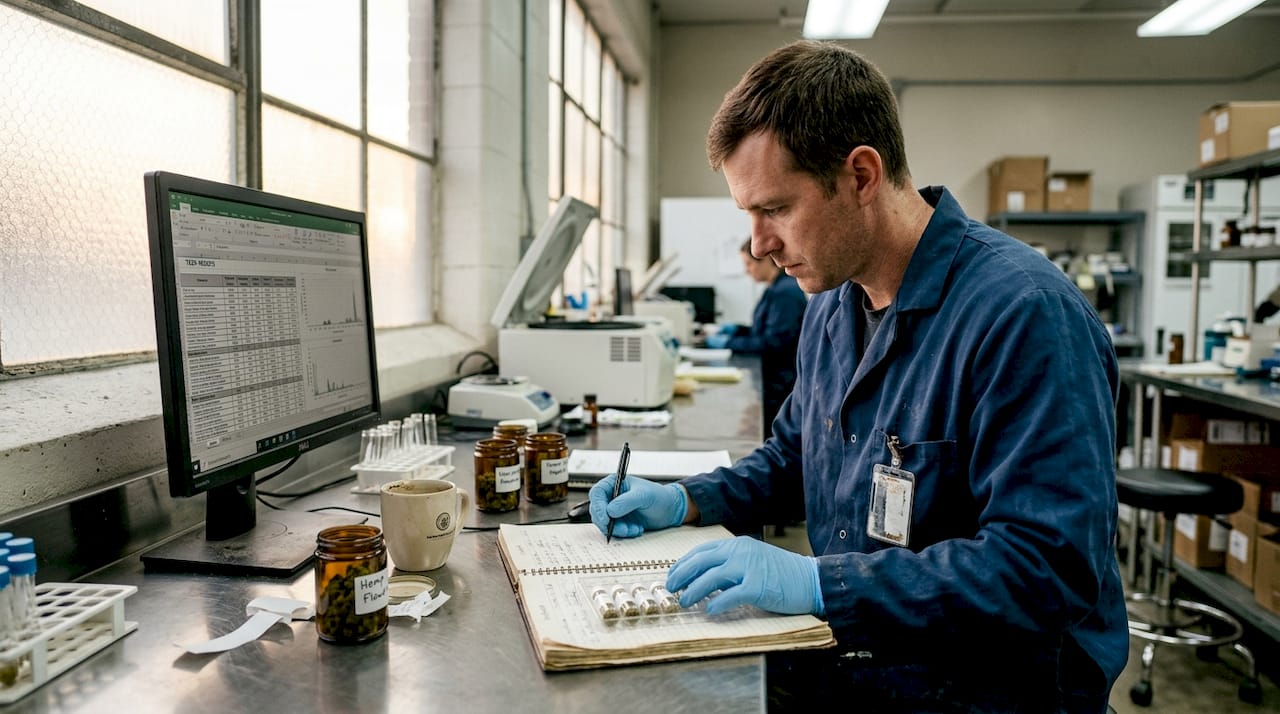
Imported or poorly sourced hemp introduces risks. Toxins, heavy metals and pesticide residues can contaminate products when oversight is lax. Even if a product passes basic testing, inconsistent farming practices lead to batch-to-batch variation that frustrates consumers expecting reliable effects.
Sourcing Quality Comparison
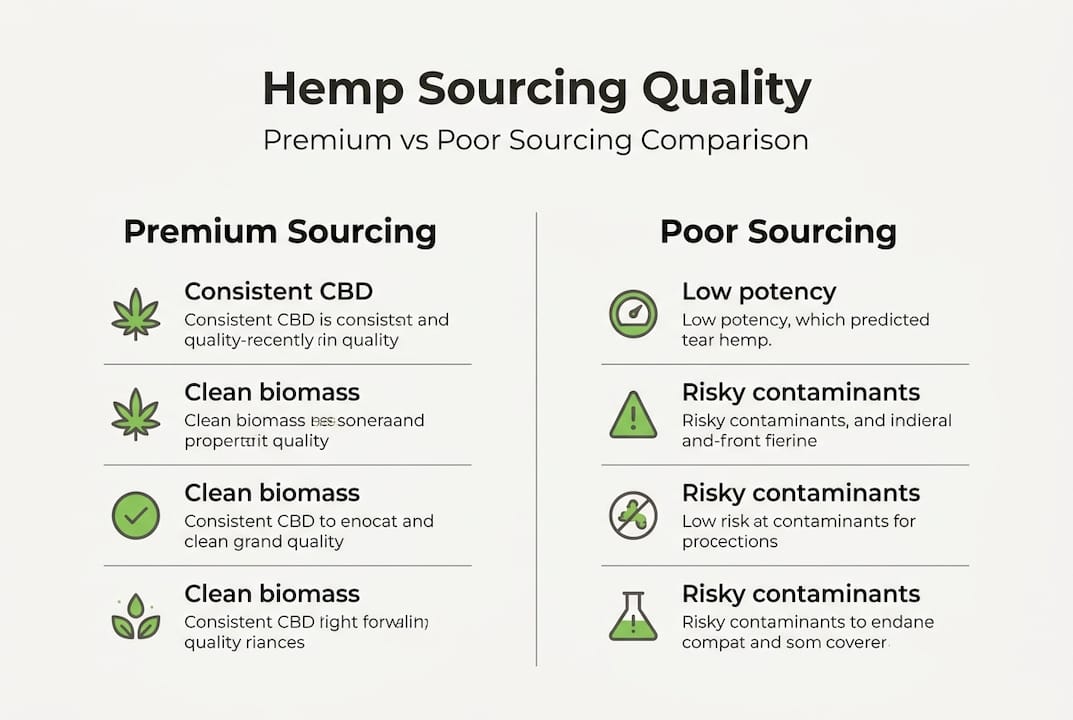
| Factor | Premium Sourcing | Poor Sourcing |
|---|---|---|
| Cannabinoid consistency | High, batch-to-batch reliability | Variable, unpredictable potency |
| Contaminant risk | Minimal with organic certification | Elevated without testing |
| Extraction efficiency | Optimized for maximum yield | Lower yields, more waste |
| Environmental impact | Carbon-negative with regenerative practices | Higher emissions, soil degradation |
| Traceability | Full supply chain transparency | Limited or no documentation |
Pro Tip: Look for products made from biomass testing at 15% CBD or higher. This benchmark indicates optimal growing conditions and careful cultivation, which translates to better extraction efficiency and more potent final products.
Product consistency depends heavily on reliable sourcing. When you find a brand that sources well, you’ll notice it in every aspect: flavor stays true, effects remain predictable and testing results confirm what’s on the label. Understanding hemp-derived CBD benefits starts with recognizing that quality begins in the field, not the lab.
The legal landscape for hemp sourcing shifted significantly in 2026. Under current federal law, hemp must contain less than 0.3% THC. Exceed that threshold and the entire batch faces destruction. This isn’t a minor compliance issue; it’s a complete loss for manufacturers and a safety measure for consumers.
Chemical conversion to intoxicating cannabinoids is now banned under H.R. 5371. This regulation targets synthetic processes that transform legal hemp compounds into substances that mimic traditional cannabis. The goal is consumer protection, though industry voices argue the rules threaten jobs and innovation.
Import risks compound in 2026. Globally sourced hemp faces less stringent oversight, increasing the likelihood of contamination or mislabeling. When products cross borders, traceability becomes harder to verify and consumers lose the transparency needed to make informed choices.
2026 Hemp Compliance Requirements
| Requirement | Details | Consequence of Non-Compliance |
|---|---|---|
| THC limit | Must stay below 0.3% delta-9 THC | Batch destruction, legal penalties |
| Chemical conversion ban | No synthetic transformation to intoxicating compounds | Product seizure, manufacturer sanctions |
| Testing frequency | Pre-harvest and post-processing verification | Inability to sell, loss of certification |
| Import documentation | Full chain of custody for foreign hemp | Customs rejection, contamination risk |
Key regulatory points for 2026:
The debate continues between regulators prioritizing safety and industry advocates concerned about economic impact. For consumers, these rules mean greater confidence in legal hemp products and clearer distinctions between compliant and questionable offerings. Understanding hemp-derived THC legal status requires staying current with these evolving standards.
“The 2026 regulations aren’t just red tape. They’re a framework ensuring that what you buy is what you get, with safety and transparency built into every step.”
Colorado’s approach to THC regulation offers a case study in balancing consumer access with safety concerns. The 2018 Farm Bill laid the groundwork, but 2026 rules refine those foundations with stricter enforcement and clearer definitions.
Premium brands don’t leave sourcing to chance. They partner with certified US farms using sustainable practices, verify every batch through third-party testing and maintain transparent supply chains. These aren’t optional extras; they’re the baseline for quality.
Consumers should demand traceability. Certificates of Analysis (COAs) provide batch-specific data on cannabinoid content and contaminant testing. Organic labels signal adherence to strict farming standards. Eco-friendly claims should come with documentation, not just marketing copy.
Follow these steps to identify well-sourced products:
Red flags indicate poor sourcing:
Pro Tip: Biomass testing at 15% CBD or higher indicates optimal cultivation. Ask brands about their biomass specifications; reputable companies will share this data proudly.
Sustainable practices matter beyond marketing. Dew retting reduces water consumption during fiber processing. Regenerative agriculture sequesters carbon while improving soil health. These methods produce superior hemp while supporting environmental goals.
When you choose hemp-derived edibles, you’re voting with your wallet for better practices. The advantages of hemp-derived gummies multiply when sourcing meets high standards, delivering both wellness benefits and peace of mind.
Cleaner hemp means fewer side effects. When plants grow without heavy metals, pesticides, or industrial contaminants, the resulting products work with your body instead of against it. This isn’t abstract; it’s the difference between a pleasant experience and an unpleasant surprise.
Better cannabinoid content translates to more predictable effects. Consistent CBD and THC levels mean you can dose accurately, whether you’re seeking relaxation, focus, or pain relief. Variability frustrates users and undermines trust in hemp products generally.
Sourcing impacts every product category:
Regenerative practices sequester carbon while organic cultivation reduces contaminant risk. These aren’t separate benefits; they’re interconnected advantages that support both personal and planetary health. When you prioritize well-sourced products, you’re investing in a sustainable industry that values quality over shortcuts.
The perceived strength of your edibles, the smoothness of your oils and the reliability of your wellness routine all connect to sourcing decisions made months before you make a purchase. Understanding CBD wellness benefits means recognizing that effectiveness starts in the soil, not the bottle.
We’ve built our reputation on sourcing standards that go beyond compliance. Every product at Edwin’s Edibles & Elixirs starts with premium, tested hemp from trusted US farms. Our commitment to quality means you get consistent effects, clean ingredients and the transparency you deserve.
Exploring our cannabis edibles guide reveals how sourcing choices shape product development. Our edible consumption tips assume you’re working with quality products, because that’s what we provide. When you choose our organic CBD gummies, you’re experiencing the difference that careful sourcing makes.
We invite you to discover how premium sourcing translates to superior products. Whether you’re new to hemp or a seasoned enthusiast, understanding sourcing empowers better choices and more satisfying experiences.
US-grown hemp faces stricter testing and regulatory oversight, reducing contamination risk compared to imported alternatives that may lack consistent quality controls.
Verify third-party lab results (COAs), confirm US-sourced labels and check for organic certifications on packaging or brand websites to ensure testing and traceability.
It bans chemical conversion to intoxicating cannabinoids and requires destruction of hemp exceeding THC limits, ensuring safer and more compliant products.
Absolutely. High-quality biomass yields better extraction and more consistent cannabinoid profiles, leading to reliable effects and reduced safety risks from contaminants.