
More than 30 American states now allow hemp-derived THC products, yet confusion persists about what makes these options different from traditional cannabis. For health-conscious American adults seeking organic, vegan edibles that actually work, understanding the science and key legal distinctions is vital. This guide clears up common myths about hemp-derived THC, highlights what sets these products apart and gives you clarity so you can make informed choices for wellness and relaxation.
| Point | Details |
|---|---|
| Hemp vs. Marijuana | Hemp contains ≤ 0.3% THC, making it non-intoxicating and federally legal, unlike marijuana which is often illegal. |
| Product Varieties | Hemp-derived THC products include edibles, tinctures and topicals, each offering unique benefits and absorption rates. |
| Regulatory Changes | Proposed federal legislation aims to tighten definitions and limits of hemp THC, impacting product classification and safety. |
| Consumer Safety | Due to varying product quality and regulatory gaps, consumers should ensure third-party testing and understand product concentrations. |
Hemp derived THC represents a fascinating evolution in cannabis science and legal innovation. Hemp and marijuana might seem similar, but they differ significantly in their chemical composition and legal status. Cannabis sativa species variations reveal nuanced distinctions that impact how these plants are understood and regulated.
Understanding hemp derived THC requires recognizing its fundamental characteristics. Unlike marijuana, hemp contains 0.3% or less delta-9 THC, which means it cannot produce psychoactive effects. This tiny concentration makes hemp-derived products legally distinct and accessible in ways traditional cannabis cannot be. The key differentiator is the concentration of tetrahydrocannabinol (THC) – a critical factor in determining a plant’s legal classification and potential uses.
Common myths surrounding hemp derived THC persist, often rooted in misunderstandings about cannabis plants. Many people incorrectly assume all cannabis products produce a “high” or are illegal. In reality, hemp and marijuana botanical differences create substantial variations in psychoactivity and legal status. Hemp-derived products typically contain non-intoxicating levels of THC, focusing instead on potential wellness benefits without significant mind-altering properties.
Pro tip: Always verify the THC concentration and source of hemp-derived products to ensure legal compliance and understand their potential effects.
Here’s a comparison of hemp and marijuana, highlighting their key legal and chemical differences:
| Attribute | Hemp | Marijuana |
|---|---|---|
| THC Concentration | ≤ 0.3% | Usually > 0.3% |
| Legal Status (US) | Federally legal | Federally illegal (most uses) |
| Psychoactive Effects | Non-intoxicating | Intoxicating |
| Typical Uses | Wellness, industry, textiles | Recreational, medical |
Hemp-derived THC products represent a diverse and evolving marketplace, offering consumers multiple options for experiencing cannabinoid benefits. Hemp-derived product varieties span an impressive range from wellness supplements to recreational alternatives, each designed to meet specific consumer preferences and needs.
The primary categories of hemp-derived THC products include edibles, tinctures, vaporizers and beverages. Edibles remain particularly popular, offering precise dosing and discreet consumption. These products often feature delta-8 THC, delta-10 THC and other cannabinoid variants that provide nuanced effects. Some manufacturers have developed innovative formulations that enhance absorption and create targeted experiences, moving beyond traditional consumption methods.
Hemp cannabinoid extracts can be found in multiple formats, including oils, concentrates and topical applications. Each product type offers unique advantages. Oils and tinctures provide fast absorption and easy dosage control, while topicals offer localized relief without systemic effects. Vaporizers appeal to consumers seeking rapid onset and beverages represent a growing segment that combines convenience with controlled cannabinoid consumption.
Pro tip: Always research the specific legal status and THC concentration of hemp-derived products in your state before making a purchase.
Below is an overview of major hemp-derived THC product types and their characteristics:
| Product Type | Common THC Variant | Absorption Speed | Key Benefit |
|---|---|---|---|
| Edible | Delta-8, Delta-10 | Slow (digestive) | Discreet, long-lasting |
| Tincture | Delta-8, delta-9 | Moderate (oral) | Easy dose control |
| Vaporizer | Delta-8, delta-10 | Fast (inhalation) | Rapid onset |
| Beverage | Delta-8, delta-9 | Moderate (oral) | Convenient, portable |
| Topical | Minor cannabinoids | Local absorption | Targeted relief |
Understanding the intricate process of hemp THC production requires a deep dive into botanical biochemistry. Cannabinoid synthesis in hemp begins with complex enzymatic pathways that transform precursor molecules into active compounds. The primary cannabinoid acids, THCA and CBDA, are naturally produced within the plant’s glandular trichomes, representing the initial stage of THC development.
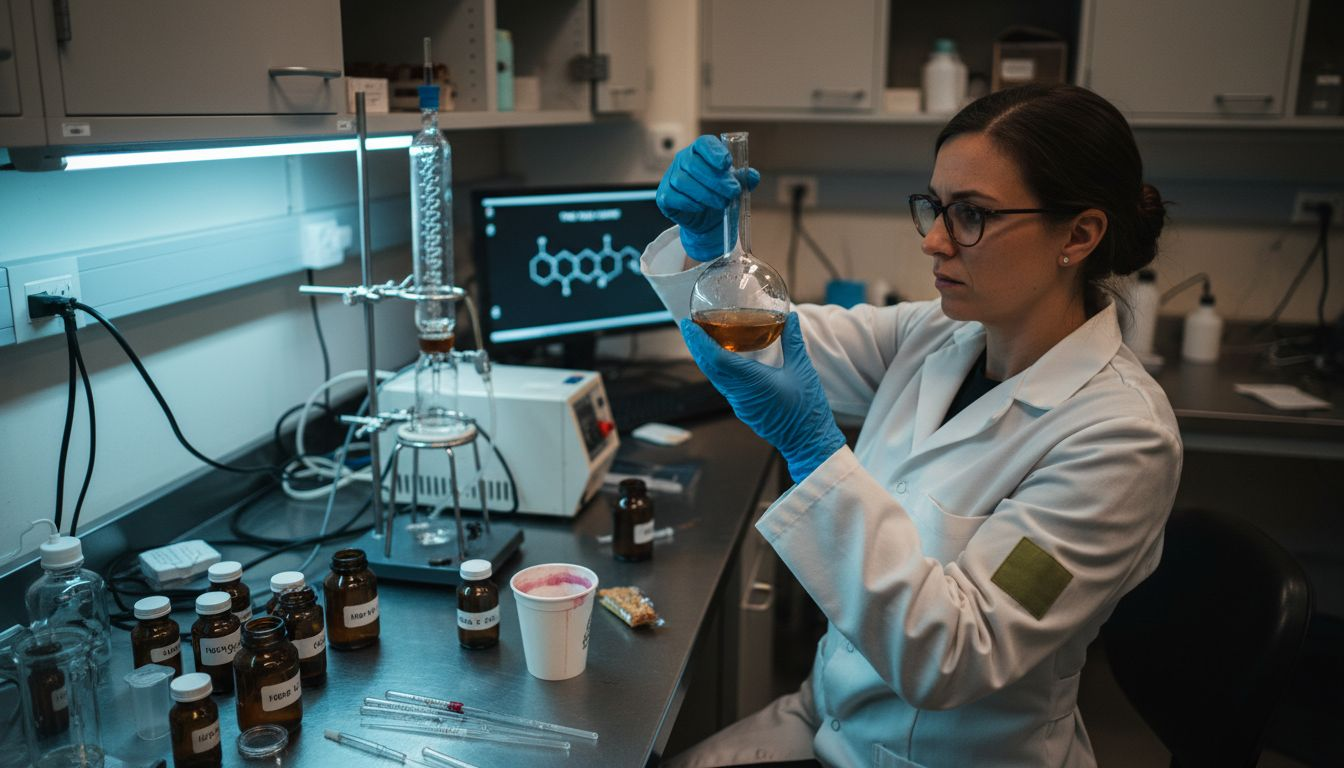
The transformation of these cannabinoid acids into active THC occurs through a process called decarboxylation, typically triggered by heat exposure. This chemical reaction removes a carboxyl group, converting the inactive THCA into the psychoactive delta-9 THC that interacts with the human body’s endocannabinoid system. Bioactive cannabinoid pathways demonstrate how precise enzymatic reactions determine the final molecular structure and potential effects of hemp-derived THC products.
Hempmakers carefully cultivate specific plant strains to optimize cannabinoid production, balancing genetic traits that influence THC concentration. Modern extraction techniques allow for precise isolation of desired compounds, enabling manufacturers to create products with consistent potency and targeted effects. These methods range from traditional solvent-based extractions to cutting-edge technologies that preserve the plant’s delicate chemical profile while concentrating its most beneficial compounds.
Pro tip: Research the specific extraction method used in your hemp-derived THC product to understand its potential purity and effectiveness.
Proposed hemp legislation signals significant shifts in the regulatory landscape for hemp-derived THC products. The federal government is considering critical amendments that would fundamentally alter how hemp-based cannabinoids are classified, produced and sold. These proposed changes represent a complex response to the rapid evolution of hemp markets and emerging scientific understanding of cannabinoid compounds.
The new regulatory framework introduces more stringent definitions and concentration limits for hemp THC. Federal cannabis regulatory updates specifically target previously unregulated compounds like delta-8 and delta-10 THC, effectively closing legal loopholes that manufacturers have exploited. The proposed changes would implement a comprehensive total THC concentration limit that accounts for both delta-9 THC and tetrahydrocannabinolic acid (THCA), dramatically narrowing the legal parameters for hemp-derived products.
The potential legislation introduces a three-year implementation delay, recognizing the complex challenges facing hemp producers and manufacturers. This strategic approach allows the industry time to adapt to new regulatory requirements, develop compliant production methods and restructure product lines. The proposed changes reflect a nuanced understanding of the hemp market’s economic and technological complexities, balancing consumer safety with industry innovation.
Pro tip: Stay informed about pending legislative changes and consult legal professionals to understand how these potential regulations might impact your hemp-derived THC product consumption or business.
Hemp-derived cannabinoid regulations reveal critical safety challenges facing consumers and manufacturers. The current marketplace remains a complex landscape of inconsistent product quality, misleading marketing and significant regulatory gaps. These concerns extend beyond simple consumer protection, touching fundamental issues of public health and responsible industry practices.
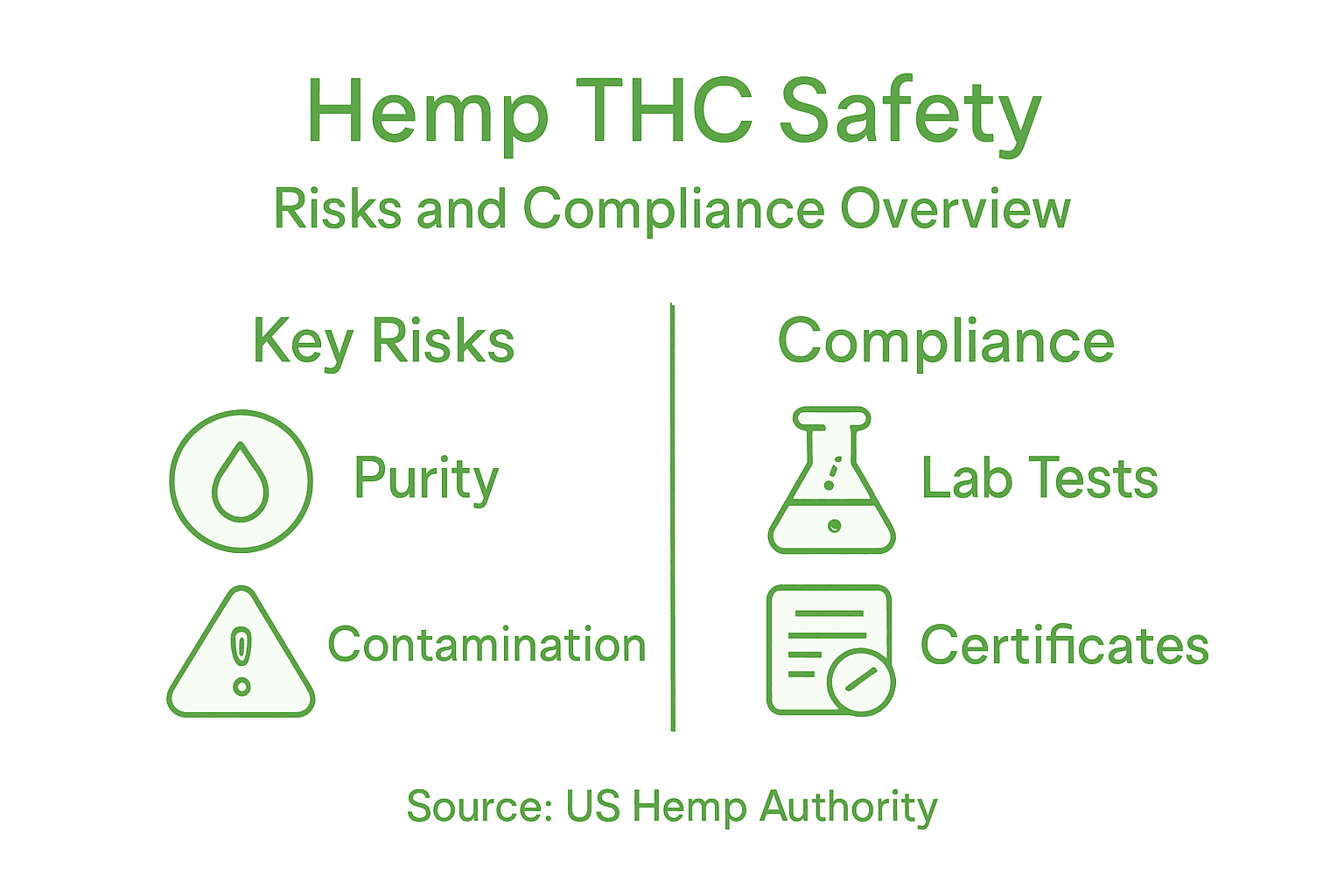
The proliferation of synthetic cannabinoid variants like delta-8 and delta-10 THC has introduced substantial uncertainty into the market. Public health risks include potential unintentional intoxication, inaccurate product labeling and increased risk of accidental exposure, particularly among vulnerable populations like children. Poison control centers have documented thousands of incidents related to these emerging products, underscoring the urgent need for comprehensive regulatory oversight.
State-level regulatory approaches remain fragmented, creating significant compliance challenges for businesses and potential safety risks for consumers. Experts recommend developing a coordinated federal-state framework that emphasizes rigorous product testing, standardized labeling requirements, strict age restrictions and robust enforcement mechanisms. These recommendations aim to balance consumer access with essential safety protections, ensuring that hemp-derived THC products meet consistent quality and transparency standards.
Pro tip: Always request third-party lab testing results and verify product certificates before purchasing any hemp-derived THC products to ensure safety and quality.
Navigating the complex world of hemp derived THC can be confusing with evolving laws and detailed chemical differences making it hard to find safe reliable products. The key challenges many face include understanding legal limits on THC concentration and selecting hemp products that deliver consistent quality without unwanted psychoactive effects. This is where knowing your source and product type matters most. Edwin’s Edibles & Elixirs specializes in premium hemp based Delta 9 THC edibles and beverages crafted using proprietary TiME INFUSION® technology for fast acting effects and precise dosing. Whether you want traditional THC gummies or vegan THC gummies tailored to your preference you can find options that fit your wellness or recreational goals.
Take control of your hemp experience now by exploring our carefully curated selection of THC Gummies and Vegan THC Gummies infused with clean organic ingredients and tested for purity. Stay informed about legal changes and ensure your product meets safety standards while enjoying consistent trusted effects. Visit Edwin’s Edibles & Elixirs to shop smartly and experience hemp derived THC with confidence and clarity today.
Hemp derived THC refers to THC that is extracted from hemp plants, which are legally classified as cannabis containing 0.3% or less delta-9 THC. This low concentration means that these products do not produce psychoactive effects like traditional marijuana.
Hemp derived THC products are made through a complex process involving the cultivation of specific hemp strains, extraction methods and decarboxylation, which activates the THC. Manufacturers typically use advanced extraction techniques to isolate desired cannabinoid compounds while maintaining product potency.
Common hemp derived THC products include edibles, tinctures, vaporizers, beverages and topicals. Each type offers distinct benefits ranging from quick absorption to targeted relief and discreet consumption options.
Legal changes are significant because they can redefine how hemp derived THC is classified, produced and sold. New regulations may impact product availability, safety standards and consumer protection, addressing public health concerns related to inconsistent quality and misleading marketing.