
Finding high-quality cannabis edibles that align with American wellness values can be confusing, especially when so many options promise unique benefits. Over 90% of cannabis consumers report seeking products with natural ingredients and clear safety standards. For health-conscious adults, understanding how terpenes shape flavor, effects and therapeutic potential is key to making informed choices. This guide dives into the science and safety of terpenes in edibles, helping you navigate the vibrant world of organic, legal cannabis treats.
| Point | Details |
|---|---|
| Terpenes enhance flavors and effects | Terpenes contribute unique sensory experiences and may interact with cannabinoids to enhance therapeutic effects through the entourage effect. |
| Variety of terpene effects | Different terpenes, such as Myrcene and Limonene, provide distinct physiological benefits like promoting relaxation and supporting mood elevation. |
| Legal status varies by source | Botanical terpenes are generally recognized as safe, while hemp-derived and marijuana-derived terpenes have specific legal restrictions regarding THC content. |
| Importance of testing for safety | Consumers should prioritize products that undergo third-party testing and clear labeling to ensure quality and compliance with safety standards. |
Terpenes are natural organic compounds found in plants that create unique flavor profiles and contribute complex sensory experiences to cannabis edibles. These aromatic molecules are responsible for the distinctive taste and scent characteristics across different cannabis strains, functioning as more than just flavor agents but also potential therapeutic compounds. Terpenoids represent a diverse class of natural products that originate primarily from botanical sources and play critical roles in sensory perception.
In cannabis edibles, terpenes do far more than provide flavor. They interact with cannabinoids through a phenomenon known as the “entourage effect,” where different compounds work synergistically to produce enhanced therapeutic outcomes. Each terpene carries its own potential physiological impact, ranging from promoting relaxation to potentially providing anti-inflammatory benefits. Common terpenes like myrcene, limonene and pinene each bring distinct characteristics that modify the overall experience of consuming cannabis-infused products.
The scientific understanding of terpenes continues to evolve, with researchers uncovering increasingly nuanced insights into their potential applications. Essential oil analyses reveal complex interactions between terpene compositions that influence both sensory qualities and potential health benefits. Modern food science approaches are developing more sophisticated methods to assess and leverage these remarkable compounds, transforming how we understand and utilize terpenes in edible products.
Pro Tip: When selecting cannabis edibles, pay attention to terpene profiles listed on product descriptions, as they can provide valuable insights into potential effects and flavor experiences.
Terpenes represent a fascinating group of organic compounds categorized by their unique chemical structures and isoprene unit compositions. Researchers classify terpenes into six primary categories: monoterpenes, sesquiterpenes, diterpenes, triterpenes, tetraterpenes and polyterpenes. Each classification brings distinctive molecular characteristics that translate into remarkable biological activities, including potential anticancer, antimalarial and antimicrobial properties.
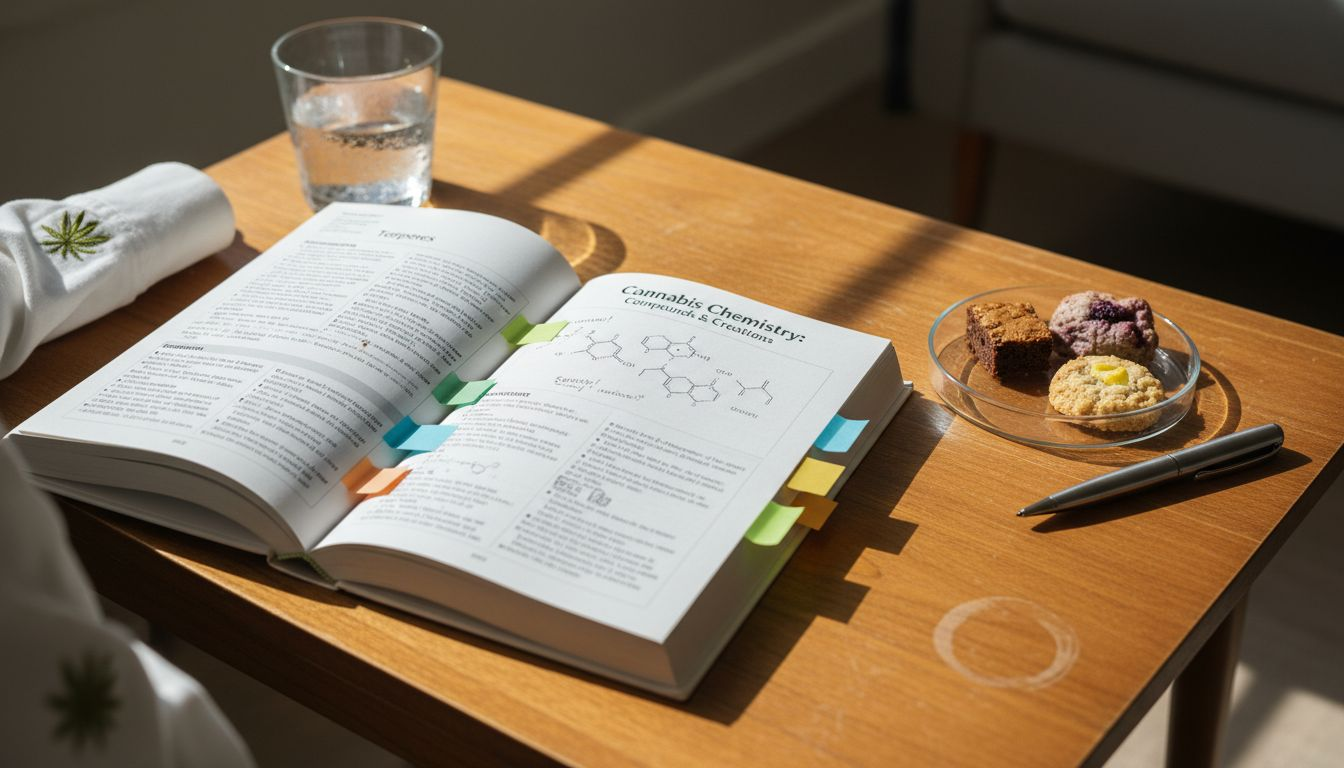
Within cannabis edibles, specific terpene types demonstrate remarkable diversity in their potential effects. Monoterpenes like limonene typically provide citrusy, energizing characteristics and may support mood elevation. Sesquiterpenes such as beta-caryophyllene offer more complex interactions, potentially supporting anti-inflammatory responses. Pinene, another prominent terpene, can contribute woodsy, pine-like notes while potentially supporting respiratory function and mental clarity.
Here’s a quick comparison of major cannabis terpenes and their primary contributions to edibles:
| Terpene Name | Sensory Notes | Potential Effect |
|---|---|---|
| Myrcene | Earthy, herbal | Promotes relaxation |
| Limonene | Citrusy, fresh | Supports mood elevation |
| Pinene | Pine, woodsy | Boosts mental clarity |
| Beta-caryophyllene | Spicy, peppery | May reduce inflammation |
Terpenoid research continues exploring their multifaceted roles in human health and industrial food applications, revealing increasingly sophisticated understanding of these remarkable compounds. Their potential extends beyond flavor enhancement, with emerging evidence suggesting potential contributions to food preservation, antioxidant protection and targeted physiological support. The intricate interactions between different terpene types create a complex sensory and potential therapeutic landscape that continues to fascinate researchers and cannabis enthusiasts alike.
Pro Tip: When exploring cannabis edibles, consider sampling products with varied terpene profiles to understand how different combinations might influence your personal experience and desired effects.
Phytochemical analysis reveals the complex role of terpenes in defining the sensory experience of cannabis edibles. These remarkable organic compounds interact directly with taste and olfactory receptors, creating intricate flavor landscapes that go far beyond simple taste perception. Terpenes act as molecular architects, constructing nuanced flavor profiles that can range from bright citrusy notes to deep, earthy undertones, effectively transforming the entire gustatory experience of cannabis-infused products.
Different terpenes contribute unique flavor characteristics that can dramatically alter an edible’s taste profile. Limonene introduces vibrant, citrusy elements reminiscent of fresh lemon or orange zest, while myrcene provides musky, herbal undertones. Pinene delivers crisp, pine-like notes that can evoke memories of forest walks and beta-caryophyllene contributes spicy, peppery sensations. These diverse flavor compounds work in harmony, creating complex taste experiences that extend far beyond traditional flavor expectations.
Advanced aroma compound analysis demonstrates how terpenes interact with other flavor molecules, revealing their profound impact on culinary and sensory experiences. The volatility and method of terpene incorporation play crucial roles in maintaining intended flavor profiles, with factors like temperature, processing techniques and ingredient interactions significantly influencing the final taste. This intricate dance of molecular interactions ensures that each cannabis edible offers a unique, multidimensional flavor journey that engages multiple sensory pathways.
Pro Tip: Experiment with different cannabis edibles to discover which terpene profiles most appeal to your personal taste preferences and desired sensory experiences.
Recent laboratory studies demonstrate the intricate molecular interactions between terpenes and cannabinoids, revealing a phenomenon known as the “entourage effect.” These findings suggest that terpenes do much more than provide flavor and aroma; they actively modulate how THC and CBD interact with the body’s endocannabinoid system. By influencing CB1 receptor activation, specific terpenes can potentially enhance or alter the overall physiological response to cannabis compounds.
Different terpenes exhibit unique interactions with cannabinoids, creating complex biochemical pathways. Myrcene, for instance, might increase THC’s ability to cross the blood brain barrier, potentially intensifying psychoactive experiences. Limonene could potentially mitigate anxiety associated with THC consumption, while beta-caryophyllene demonstrates remarkable potential for interacting with CBD to provide anti-inflammatory responses. Cannabis oil studies confirm these terpene interactions can significantly impact metabolic processes and receptor expressions, suggesting a nuanced relationship between these compounds.
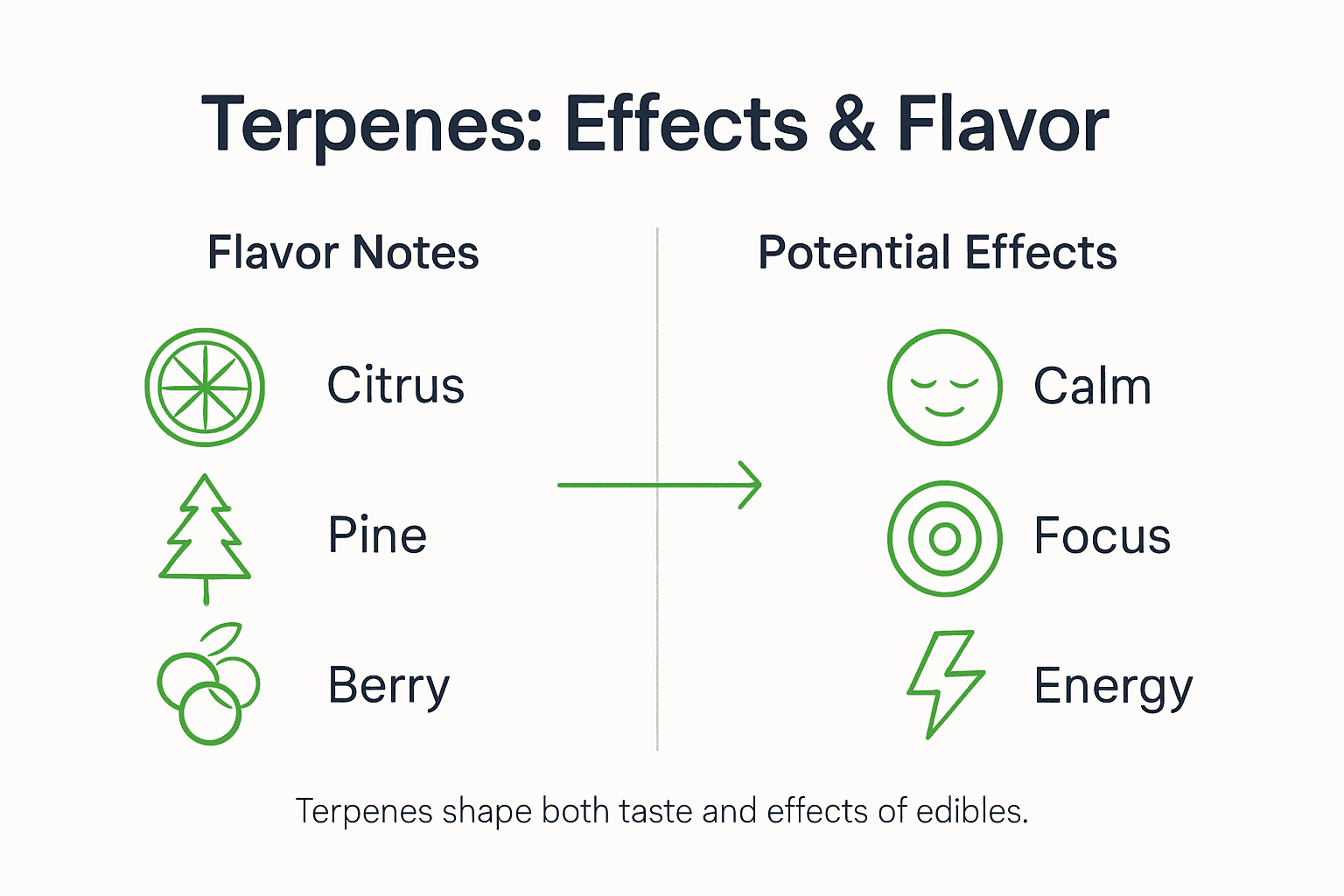
The scientific community continues to explore how terpenes contribute to the overall effect profile of cannabis edibles. Beyond simple flavor enhancement, these molecular compounds appear to play a sophisticated role in modulating cannabinoid experiences. Their ability to influence receptor activation, potentially reduce side effects and create more balanced physiological responses makes them critical components in understanding cannabis’s comprehensive therapeutic potential.
Pro Tip: When selecting cannabis edibles, pay attention to detailed terpene profiles, as they can significantly influence your overall experience and potential therapeutic outcomes.
The Food and Drug Administration (FDA) provides critical guidance regarding the legal status of terpenes in U.S. edibles, establishing clear parameters for their use in food products. Most common food-grade terpenes are classified as Generally Recognized as Safe (GRAS), which means they have been scientifically evaluated and deemed safe for consumption. This classification applies primarily to botanical terpenes, with specific restrictions surrounding cannabis-derived compounds based on their THC content.
Navigating the complex legal landscape requires understanding key regulatory distinctions. Hemp-derived terpenes containing less than 0.3% THC are federally legal under the 2018 Farm Bill, while marijuana-derived terpenes remain subject to more stringent Schedule I substance regulations. State laws introduce additional complexity, with varying requirements for licensing, testing and product labeling. Consumers and manufacturers must carefully monitor both federal and state regulations, as compliance can differ significantly across jurisdictions.
Safety considerations extend beyond legal classifications, encompassing rigorous testing and quality control measures. Reputable manufacturers must ensure terpene extracts are free from contaminants, precisely measured and sourced from verified botanical or hemp origins. Third-party lab testing, transparent ingredient listings and adherence to FDA guidelines become critical factors in maintaining product safety and consumer trust in terpene-infused edibles.
This table summarizes the key regulatory and safety differences for terpenes in U.S. edibles:
| Source Type | Legal Status (Federal) | Main Safety Concern |
|---|---|---|
| Botanical terpenes | GRAS, generally allowed | Purity and contamination risk |
| Hemp-derived terpenes | Legal (<0.3% THC) | THC content must be verified |
| Marijuana terpenes | Schedule I, restricted | State laws and THC restrictions |
Pro Tip: Always verify the source and THC content of terpene-containing products and confirm they comply with both federal and your specific state’s regulatory requirements.
Understanding how terpenes influence both the flavor and effects of cannabis edibles is key to enhancing your experience and achieving your desired outcomes. Whether you seek relaxation, mood elevation, or mental clarity, choosing products with precise terpene profiles can make all the difference. At Edwin’s Edibles & Elixirs, we specialize in delivering premium, hemp-derived Delta 9 THC products and organic CBD gummies crafted with expert attention to terpene blends and fast-acting TiME INFUSION® technology.
Explore our Cannabis Terpenes collection to find edibles that align with your flavor preferences and therapeutic goals. Looking for energizing effects? Our Sativa Edibles combine the uplifting properties of targeted terpenes with expertly formulated THC gummies for a balanced and enjoyable experience. Don’t wait to elevate your edible journey. Visit Edwin’s Edibles & Elixirs now to find the perfect terpene-enhanced product that suits your lifestyle and wellness needs.
Terpenes are natural organic compounds found in plants that create unique flavor profiles and contribute to sensory experiences in cannabis edibles. They also potentially interact with cannabinoids to enhance therapeutic effects through the entourage effect.
Terpenes interact directly with taste and olfactory receptors, creating complex flavor experiences in cannabis edibles. Each terpene contributes distinct sensory notes, transforming the overall taste from citrusy to earthy, enhancing the enjoyment of the product.
Yes, different terpenes can modulate the effects of THC and CBD. For instance, myrcene may enhance THC’s psychoactive effects, while limonene could potentially alleviate anxiety during consumption, showcasing the complex interplay between terpenes and cannabinoids.
Most food-grade terpenes are classified as Generally Recognized as Safe (GRAS) by the FDA. However, it’s crucial to ensure that products are rigorously tested for purity and compliance with legal regulations regarding THC content, especially for hemp-derived and marijuana-derived terpenes.