
Finding the right dose with modern THC edibles can feel confusing, especially when today’s products often pack much more potency than anything you tried years ago. As cannabis options continue to grow in strength and variety, understanding dosage and product effects has never been more important for health-conscious Americans seeking wellness and relaxation. This guide clears up common myths, highlights how modern delivery technologies shift timing and helps you confidently choose fast-acting, organic edibles for a safe, effective experience.
| Point | Details |
|---|---|
| Understand Dosing Variability | THC dosing is not universal; it depends on individual factors such as body weight, metabolism and tolerance. Start with a low dose and adjust based on personal response. |
| Recognize Product Differences | Different THC products vary significantly in potency and onset time; be cautious with concentrates compared to traditional flower. Read labels and know how each format affects absorption. |
| Use Fast-Acting Products Wisely | Fast-acting edibles can take effect much quicker than traditional ones, so it’s crucial to wait the recommended time before taking additional doses to avoid overconsumption. |
| Prioritize Safety and Responsibility | Keep THC edibles out of reach of children and always store them securely. Be aware of legal limits and ensure you’re purchasing from regulated sources to avoid unexpected potency risks. |
When it comes to THC edibles, dosing isn’t just about how much you take—it’s about understanding what that amount actually does to your body. The reality is that most people get THC dosing wrong because they’re working with outdated assumptions or comparing today’s products to something they tried years ago. Modern cannabis products contain drastically higher THC concentrations than they did even a decade ago. Traditional marijuana averaged around 1% THC, but contemporary edibles and concentrates often contain 15% or higher, sometimes reaching extreme potency levels that significantly increase risks like anxiety and adverse reactions. This shift means your friend’s casual experience with edibles in 2015 tells you almost nothing about what a similar product will do today.
One of the biggest myths is that THC dosage is one-size-fits-all. It’s not. Your ideal dose depends on your tolerance level, body weight, whether you’ve eaten, your metabolism and honestly, how your individual brain chemistry responds to cannabinoids. A common mistake is jumping straight to standard doses without considering that higher THC amounts increase anxiety risks. The gold standard advice from health experts is straightforward: start with the lowest effective dose and move up gradually if needed. For fast-acting edibles with advanced delivery technology like TiME INFUSION®, this becomes even more critical since you’ll feel effects within 15 to 20 minutes rather than waiting 1 to 2 hours. Many first-time users make the mistake of taking a second dose before the first one kicks in, thinking nothing happened. Instead, give yourself time to assess how you’re actually feeling before adding more.
Another widespread myth is that all THC edibles work the same way and at the same speed. They don’t. Traditional gummies may take 60 to 90 minutes to produce noticeable effects, while fast-acting formulations work significantly faster. Understanding how THC absorption works in edibles helps you make smarter choices about timing and dosing. If you’re using a standard edible, taking it on an empty stomach will speed up absorption; fatty foods will slow it down. With fast-acting versions, this matters less since the technology bypasses some of these variables. The takeaway: read what you’re buying, understand the delivery method and let that guide your dosing decision.
Pro tip: Start with 2.5 to 5 milligrams of THC if you’re new to edibles, wait at least 2 hours before taking more with traditional gummies, or 30 to 45 minutes with fast-acting formulations and keep notes on how different doses affect you so you can find your personal sweet spot.
Not all THC products are created equal and understanding the differences between them is crucial for safe, intentional use. The potency varies dramatically depending on what form you choose and this directly affects how your body processes the compound and how intensely you’ll feel the effects. Traditional cannabis flower typically contains THC levels below 10%, while more potent strains like sinsemilla can reach around 18%. But here’s where things get serious: concentrates like hashish or hash oil jump into an entirely different category, with THC concentrations ranging from 46% to over 56%. That’s a massive difference. Taking a dose that works for flower could be dangerously high when you’re dealing with concentrates. This is why dosing isn’t just about the milligrams—it’s about understanding what form you’re consuming.
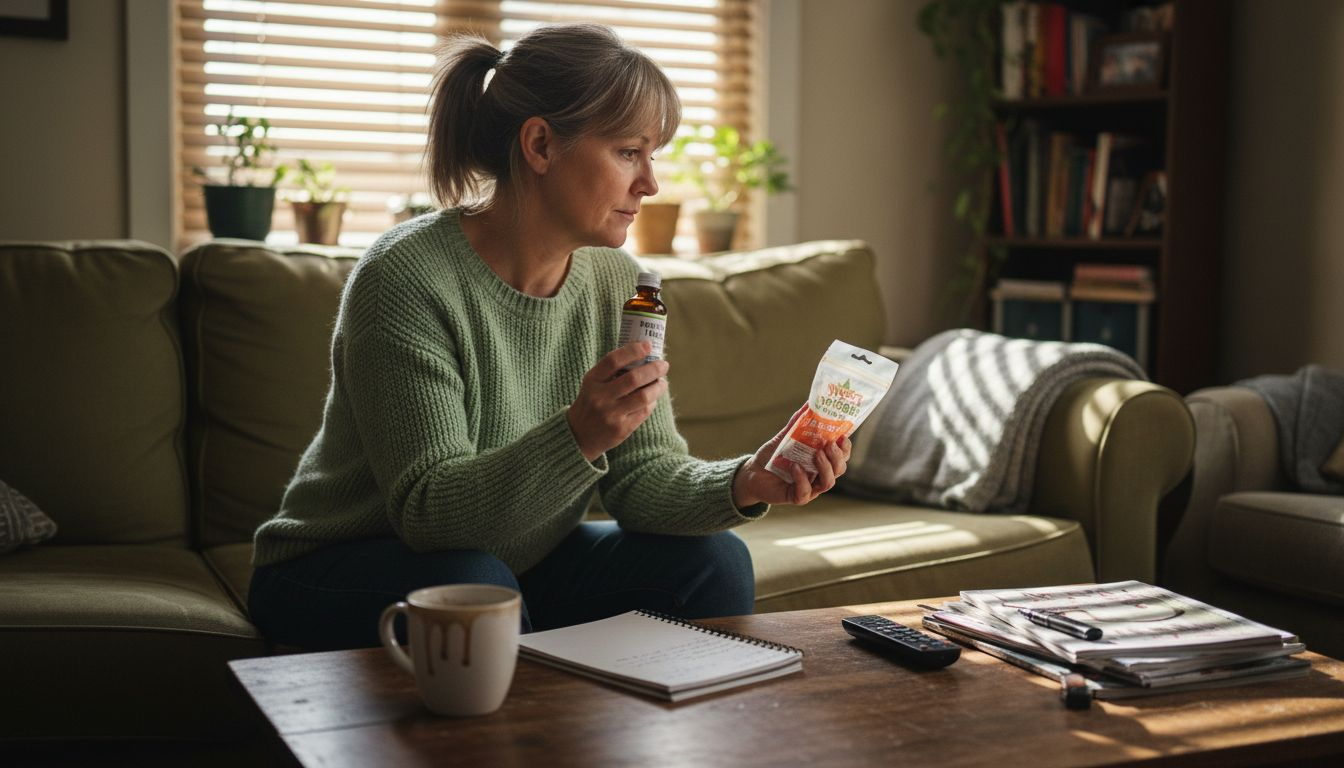
Edibles represent a unique category because they bypass smoking altogether, making them appealing for health-conscious consumers. Unlike flower or concentrates that you inhale, edibles distribute THC throughout your digestive system, creating a slower onset but longer-lasting effect. Fast-acting edibles with advanced delivery technologies like TiME INFUSION® compress this timeline significantly, delivering effects in 15 to 20 minutes instead of the typical 60 to 90 minutes. The potency of edibles depends entirely on how much THC was infused during production and manufacturers can create consistent dosing in gummies, beverages, or other formats. Tinctures and topicals offer additional options for different needs—tinctures provide rapid absorption under the tongue, while topicals interact with localized cannabinoid receptors without producing psychoactive effects. Understanding these differences matters because a 10-milligram gummy works completely differently than a 10-milligram concentrate and a topical has an entirely different purpose.
What makes this even more complex is that cannabis potency continues to increase across product types, meaning products today are significantly stronger than what most people experienced even five years ago. Many consumers don’t realize they’re comparing their tolerance to outdated reference points. A modern standard gummy might have the same potency as what used to be a much stronger product. This is why reading labels matters. Legal markets require testing and transparency about THC content, so you can see exactly what you’re getting. Before you purchase anything, look for the milligrams of THC per serving and research whether that product type hits quickly or slowly. This knowledge transforms dosing from guesswork into informed decision-making.
Here’s a comparison of major THC product forms, focusing on onset time, potency and typical use:
| Product Type | Onset Time | Typical THC Potency | Common Use Case |
|---|---|---|---|
| Flower | 5-10 minutes | 5-18% | Smoking or vaping |
| Edibles | 60-90 minutes | 2.5-10 mg per piece | Discreet, longer-lasting |
| Fast-Acting Edibles | 15-20 minutes | 2.5-10 mg per piece | Quick relief, easy titration |
| Concentrates | Seconds to minutes | 46-56%+ | Potent, rapid effects |
| Tinctures | 15-45 minutes | Varies per dose | Sublingual, flexible dosing |
| Topicals | No psychoactive effect | Varies per product | Localized relief, no high |
Pro tip: Compare potency levels across product types by checking the label’s THC milligrams and always start with the lowest dose available in a new product form, since edibles, concentrates and flower deliver effects differently even at the same potency levels.
Traditional edibles work through your digestive system, which means THC gets broken down by stomach acid and liver enzymes before entering your bloodstream. This process takes time, typically 60 to 90 minutes and creates what’s called the “first-pass metabolism” effect. Your liver converts THC into a different compound, which is why edibles feel different than smoking or vaping. Fast-acting technologies bypass much of this delay by using specialized delivery systems that allow THC to absorb directly through oral tissues or into the bloodstream more efficiently. Instead of waiting an hour and a half, you feel effects in 15 to 20 minutes. This isn’t magic, it’s chemistry. TiME INFUSION® technology represents this kind of advancement, using nano-emulsion formulas that break THC into microscopic particles. These tiny particles have much more surface area, allowing them to cross the blood-brain barrier faster and more effectively than traditional infusions.
The science behind fast absorption involves understanding how your body actually processes cannabinoids. When THC is broken into nano-sized particles, it can bypass significant portions of the digestive tract and absorb through the mucous membranes in your mouth and throat. This sublingual absorption method is similar to how some medications work, delivering active compounds directly to your bloodstream rather than routing everything through your stomach and liver first. The benefit extends beyond just speed, though. Because less THC is lost to liver metabolism, you get more efficient use of the dose you’re taking. In practical terms, this means a 5-milligram dose of fast-acting edible may produce effects comparable to a 7 or 8-milligram traditional edible. This efficiency matters for dosing accuracy and for consumers who want predictable, reliable effects without guessing games.
Advancements in cannabinoid production, including bioengineering approaches to create cannabinoids, continue to improve product consistency and quality. As technology improves, manufacturers can produce cannabinoids with greater precision, leading to more reliable fast-acting formulations. The innovation pipeline suggests that next-generation edibles will be even faster and more predictable than current options. However, faster absorption also means you need to be smarter about dosing. With traditional edibles, you have time to reconsider before effects hit. With fast-acting versions, you need to commit to your dose upfront and wait 20 minutes before evaluating whether you need more. This requires discipline and self-awareness, especially if you’re new to THC products.
Pro tip: With fast-acting edibles, set a timer for 30 minutes after consumption before deciding to take additional doses, since effects continue building even after initial onset and taking more too quickly leads to overconsumption.
Your ideal THC dose isn’t the same as anyone else’s. This is probably the most important concept to understand because it shifts responsibility from following generic guidelines to actually paying attention to your own body. Factors like your body weight, metabolism, previous cannabis experience, food intake and even stress levels all influence how THC affects you. Someone who weighs 120 pounds will process THC differently than someone who weighs 220 pounds. A person with a slower metabolism might feel effects more intensely than someone with a faster one. If you’ve used cannabis before, your tolerance is likely higher than someone trying it for the first time. The key insight is that personalized dosing requires starting with low doses and adjusting based on individual response. There’s no shortcut here. You have to start somewhere, observe what happens and adjust from there. Most people regret not starting lower, but almost nobody regrets starting low and working up.
When you’re building your personal dosing protocol, think of it as an experiment where you’re the subject. Start with the lowest available dose in whatever product you choose, then give yourself at least two to three uses with that dose before deciding whether to increase. This timeframe matters because your body’s response can shift as you become more familiar with the effects. That initial anxiety or overwhelming sensation many people experience often diminishes once you know what to expect. Keep notes on the date, time, dose amount, product type, whether you ate beforehand and how you felt. Specific details matter. “I felt good” tells you nothing useful. “I felt relaxed and calm for three hours, no anxiety, slightly dry mouth” tells you exactly what worked. When you do decide to increase, move up by 2.5 to 5 milligrams, not 10. Small increments help you find the sweet spot without overshooting. Remember that dosage impacts the risk of adverse effects significantly, so the lowest effective dose remains the safest approach. This isn’t being conservative. This is being smart.
Wellness and THC work best when you have clarity about what you’re trying to achieve. Are you looking for relaxation after work? Pain relief? Better sleep? Mild mood enhancement? Different doses work for different goals. Some people find that 2 to 3 milligrams provides gentle stress relief without noticeable impairment, while others need 10 milligrams to feel the same effect. Fast-acting edibles make this personalization easier because you get rapid feedback instead of waiting 90 minutes to see if something worked. This accelerated feedback loop lets you test and refine your dose more efficiently. Also consider that your ideal wellness dose might change seasonally, with life stress, or as your body changes. What worked perfectly six months ago might need adjustment. This isn’t failure. This is adaptation. If you’re new to THC or returning after a long break, your tolerance is lower than you remember. Treat yourself like a beginner. Your future self will appreciate the caution.
Pro tip: Create a simple spreadsheet or note tracking your dose, product type, time of consumption, what you ate and your effects, reviewing patterns monthly to identify your personal optimal dose and how external factors like food or stress affect your response.
THC edibles carry genuine risks that deserve serious attention, not fear-mongering but honest acknowledgment. The biggest issue is that edibles look exactly like regular food. A gummy containing 10 milligrams of THC is indistinguishable from a regular gummy to someone who doesn’t know what they’re looking at. This creates a perfect storm when edibles are stored where children or guests can access them. The consequences are real. Cannabis edibles have driven significant increases in accidental ingestion cases among children and adolescents, with symptoms ranging from confusion and drowsiness to severe respiratory issues in extreme cases. This isn’t theoretical. Poison control centers nationwide track these incidents and the numbers have climbed steadily as edibles become more accessible. The delayed onset of edibles compounds this problem because someone might think nothing happened and consume more, only to be hit with intensifying effects 90 minutes later. With fast-acting edibles, this timeline compresses, but the risk of accidental overdose still exists, particularly for inexperienced users who underestimate potency.
Legal limits exist for exactly this reason. Most states with adult-use cannabis regulations have implemented strict controls on edible products to reduce overdose risks and accidental ingestion. Common legal limits cap individual serving sizes at 5 to 10 milligrams of THC and restrict total package contents to 100 milligrams. These aren’t random numbers. They’re based on research about what constitutes a reasonable dose for most adults and what prevents catastrophic overdoses. States also require homogeneity standards, meaning every edible in a package should contain approximately the same amount of THC, not wildly variable amounts. Know your state’s regulations before purchasing. If you’re buying from an illegal market or unlicensed retailers, you have zero guarantee that the product contains what it claims. This is where people end up in the emergency room thinking they bought a 5-milligram gummy only to discover it contained 50 milligrams.
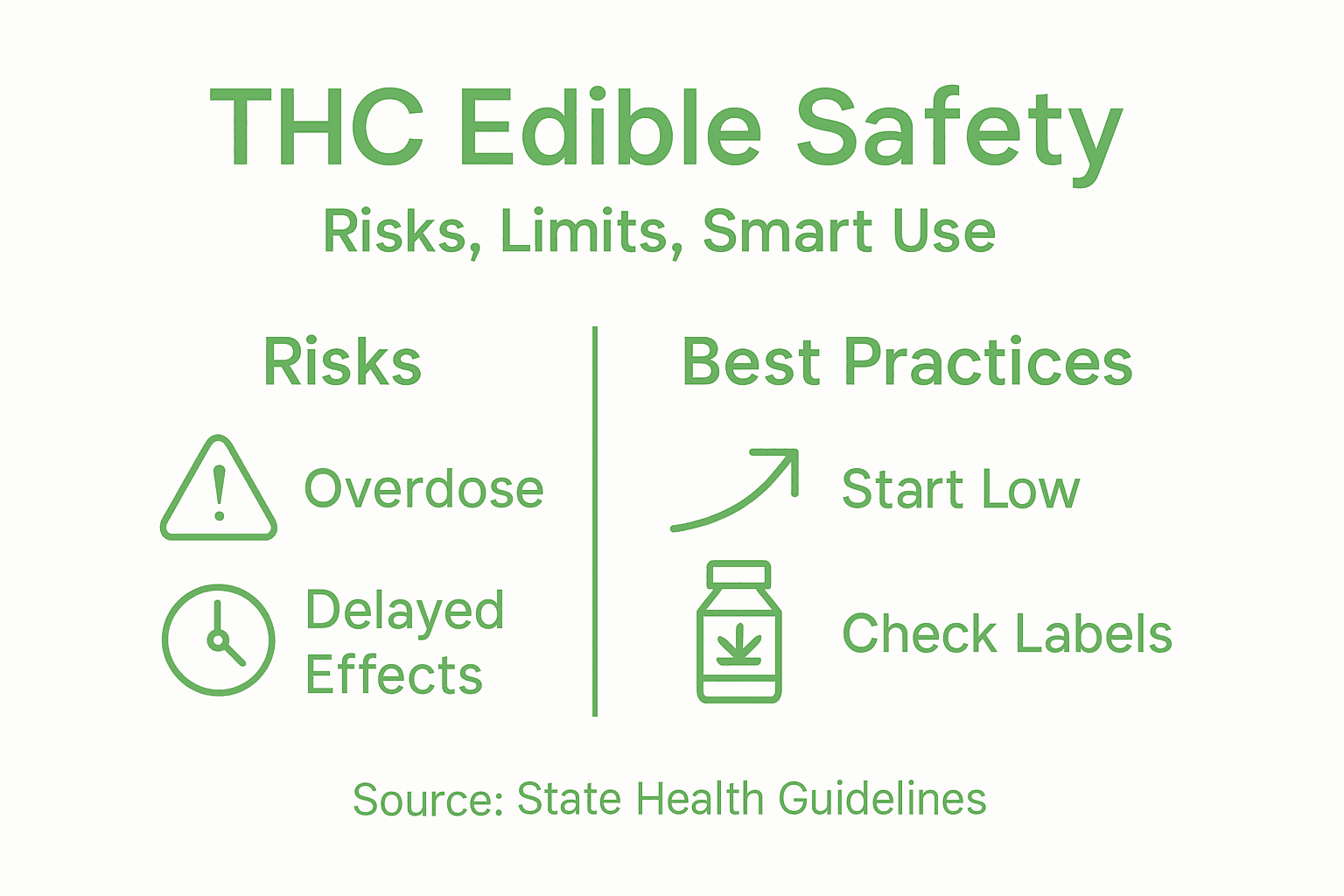
Common mistakes follow predictable patterns. Taking a second dose before the first one hits remains the number one error. People assume the edible didn’t work and consume again, then get blindsided when both doses peak simultaneously. Eating on an empty stomach is another frequent misstep because it accelerates absorption unpredictably. Mixing THC with alcohol compounds effects in ways your body doesn’t handle well. Operating vehicles or machinery is obviously dangerous and illegal. Sharing edibles without clearly communicating potency to someone unfamiliar with THC creates liability and harm. Not storing products securely puts children and pets at risk. Not reading labels means you have no idea what you’re actually consuming. The pattern here is clear: most serious problems come from carelessness, not the product itself. Your responsibility as a consumer is to treat THC edibles like any potent substance. Lock them up. Label them clearly. Dose deliberately. Wait for effects before taking more. Know your state’s legal framework. Purchase from regulated sources only.
The following table highlights key mistakes with THC edibles and how to avoid them:
| Common Mistake | Potential Consequence | Best Practice |
|---|---|---|
| Taking second dose too soon | Overconsumption, anxiety | Wait full onset period |
| Not reading labels | Unexpected potency intake | Inspect THC mg per serving |
| Storing edibles accessibly | Accidental ingestion by children | Lock up and clearly label products |
| Mixing with alcohol | Increased impairment, side effects | Avoid combining substances |
| Eating on empty stomach | Faster, unpredictable absorption | Eat a balanced meal before dosing |
Pro tip: Store all THC edibles in a locked container out of reach of children and pets, label products clearly with THC content and date purchased and never leave edibles in plain sight or accessible to guests who may not realize what they are.
Understanding safe THC dosing and fast-acting edibles can be challenging. Many users struggle with finding the right dose and managing onset times, which can lead to unwanted anxiety or overconsumption. At Edwin’s Edibles & Elixirs, we recognize these concerns and offer a variety of premium products thoughtfully crafted to help you personalize your wellness journey. With our fast-acting gummies featuring proprietary TiME INFUSION® technology, you get rapid, reliable effects that let you adjust your dose confidently and avoid common mistakes.
Explore our carefully curated selection of THC Gummies including vegan options in the Vegan THC Gummies line, all made with organic ingredients and precise dosing. We also highlight the benefits of different strains and terpene profiles so you can choose what fits your needs best. Don’t let uncertainty around dosing hold you back from the benefits of cannabis. Visit Edwin’s Edibles now to find your perfect dose, shop with confidence and experience fast, safe and consistent effects today.
Start with 2.5 to 5 milligrams of THC if you’re new to edibles. This allows you to gauge how it affects you before considering a higher dosage.
Traditional THC edibles generally take 60 to 90 minutes to produce noticeable effects, while fast-acting formulations can take effect in as little as 15 to 20 minutes.
Fast-acting edibles utilize specialized delivery systems like TiME INFUSION® technology, which allows THC to absorb directly through oral tissues, bypassing the longer digestive process and resulting in quicker effects.
Factors such as body weight, metabolism, previous cannabis experience, food intake and individual brain chemistry can significantly impact how THC affects you. It’s important to start low and adjust based on your personal response.