
Small-batch cannabis is defined as flower, extract, or infused product grown and processed in limited quantities using artisanal methods that prioritize terpene integrity, cannabinoid potency and sensory quality over volume output. This approach, also called craft cannabis in industry circles, separates itself from commercial production not just in scale but in philosophy. Brands like SiLLY NiCE and Victoria Cannabis Company have built their reputations entirely on this model and growers like Ed Rosenthal have long championed the post-harvest practices that make it work. If you have ever noticed that one product smells like a citrus grove while another smells like nothing at all, small-batch production is almost always the reason.
The most fundamental difference between small-batch and large-scale cannabis cultivation is the ratio of human attention to plant count. Small-batch operations typically manage around 100 plants, compared to thousands in commercial facilities. That gap in scale translates directly into the quality of daily care each plant receives.
In a large facility, growers follow fixed schedules because monitoring thousands of plants individually is not practical. Feeding, watering and harvesting happen on a calendar, not on the plant’s terms. In a small-batch setting, a grower can walk every row, inspect each plant and respond to what they actually see. That hands-on daily observation catches early signs of stress, nutrient imbalance, or pest pressure before they affect the final product.
The most underappreciated advantage of small-batch cultivation is harvest timing. Small-batch cultivators harvest at peak chemical maturity rather than on a fixed schedule, which means terpene and cannabinoid expression reaches its full potential before the plant is cut. In large operations, harvest windows are dictated by logistics, not biology. That difference alone accounts for a significant portion of the flavor and potency gap consumers notice.
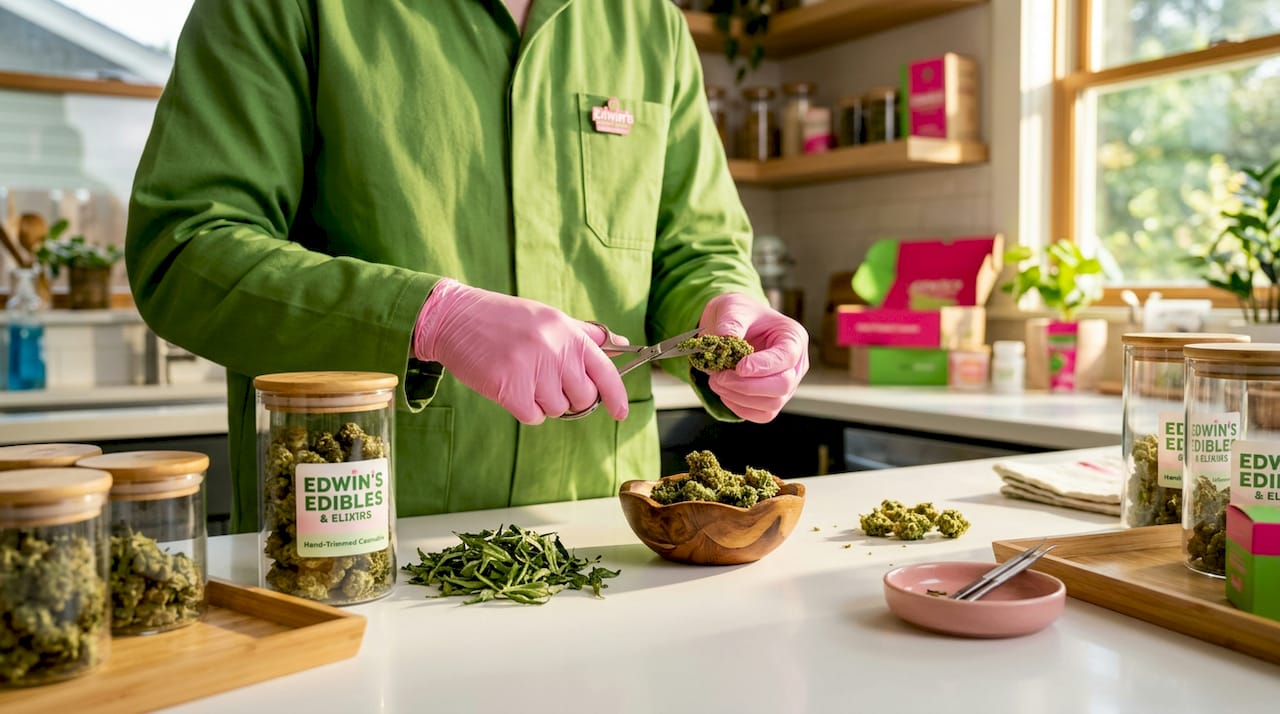
Here is what that hands-on approach looks like in practice:
Pro Tip: When evaluating a small-batch product, ask the brand or dispensary for the harvest date. Freshness within 90 days of harvest is a reliable indicator that terpene content is still intact.
A Montclair, New Jersey grower profiled by Montclair Local exemplifies this model: managing roughly 100 plants with an artisanal focus that would be impossible to replicate at industrial scale. That story is not unusual. It is the defining feature of the craft cannabis movement.
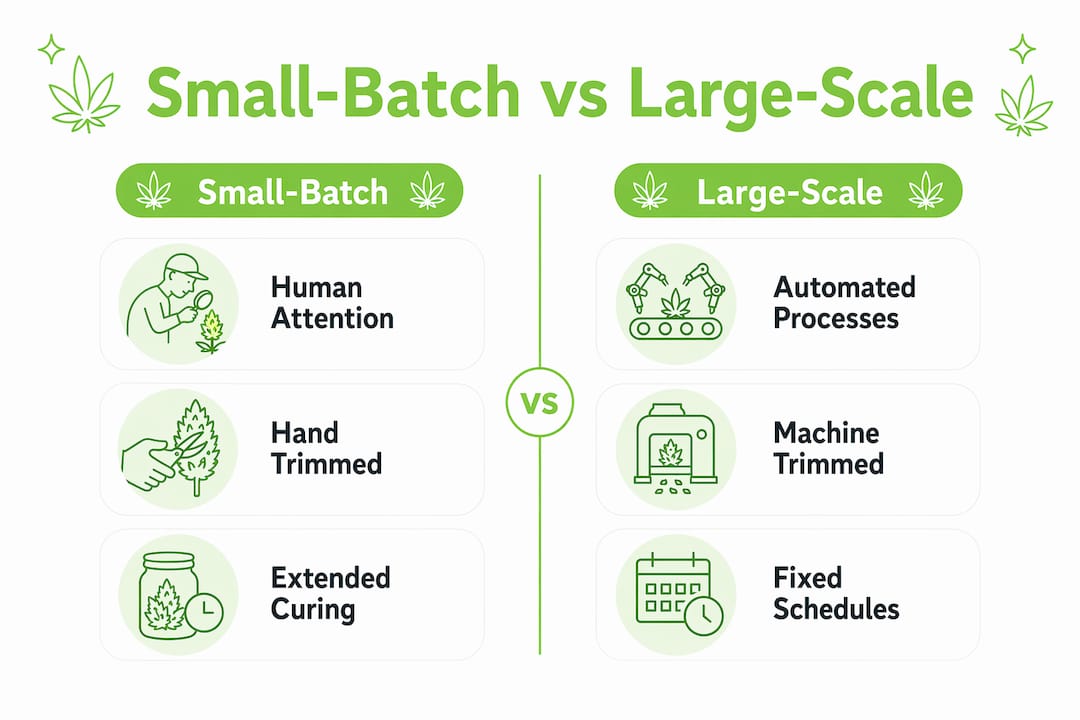
Growing the plant well is only half the equation. What happens after harvest determines whether all that careful cultivation actually reaches your senses. Post-harvest handling is where small-batch producers create the most dramatic separation from commercial operations and it comes down to one principle: slow down.
Rapid drying causes irreversible terpene loss and produces harsh, rough smoke. Large-scale operations often prioritize throughput, which means faster drying at higher temperatures. The result is flower that has lost the aromatic complexity it had on the plant. Ed Rosenthal, one of the most respected voices in cannabis cultivation, advocates for a “low and slow” drying approach that preserves volatile terpenes and yields smoother, more aromatic cannabis.
The small-batch post-harvest process, when done correctly, follows a deliberate sequence:
Victoria Cannabis Company defines craft cannabis specifically through these practices: small-batch drying, hand trimming and slow curing. These are not marketing claims. They are measurable process differences with direct chemical consequences.
Pro Tip: Properly cured small-batch flower should feel slightly springy when squeezed, not bone dry or crumbly. That texture indicates moisture content was managed correctly during curing, which directly correlates with smoother smoke and richer flavor.
The packaging stage matters more than most consumers realize. Chemical changes continue post-processing as oxygen, heat and light interact with cannabinoids and terpenes inside the container. Small-batch producers can use smaller, tighter packaging with less headspace, which slows oxidation and keeps the product closer to its peak state for longer.
Terpenes are the chemical compounds responsible for cannabis aroma and flavor and they are extraordinarily fragile. They degrade with heat, oxygen, agitation and time. Every step of the production process is an opportunity to either protect them or destroy them. Small-batch production wins on flavor because it creates fewer opportunities for degradation at every stage.
SiLLY NiCE links small batches to tighter quality control and terpene preservation specifically because smaller runs allow closer monitoring throughout cultivation and processing. That biological and chemical control is the core value proposition of craft cannabis, not the aesthetics of the label or the story on the website.
Here is how small-batch and large-scale production compare on the factors that affect flavor:
| Factor | Small-batch production | Large-scale production |
|---|---|---|
| Harvest timing | Based on trichome and chemical maturity | Based on production schedule |
| Drying temperature | 60 to 65°F, slow and controlled | Often higher for faster throughput |
| Trimming method | Hand trimmed, trichomes intact | Machine trimmed, trichome damage common |
| Curing duration | Two to eight weeks, monitored | Shortened or skipped for speed |
| Packaging | Small containers, minimal oxygen exposure | Bulk storage, higher oxidation risk |
| Time to consumer | Shorter supply chain, fresher product | Longer distribution, more degradation |
The practical result is a product that smells like the strain it came from, burns smoothly and delivers the nuanced effects that come from a complete terpene and cannabinoid profile. Large-scale cannabis is not necessarily bad, but the production constraints make it structurally harder to achieve the same sensory complexity.
The benefits of small-batch cannabis for flavor and aroma come down to these core advantages:
Cannabis enthusiasts are increasingly sophisticated buyers. The conversation has shifted from “how strong is it” to “what does it taste like, where was it grown and how was it handled.” That shift mirrors what happened in craft beer and specialty coffee and it is driving real market demand for craft cannabis advantages that justify a premium price.
The higher cost of small-batch cannabis reflects genuine labor intensity. Hand trimming, extended curing and daily plant monitoring require more hours per pound than automated large-scale production. Consumers who understand the process recognize that the price difference is not a markup. It is the actual cost of doing things carefully.
There is also a transparency factor that matters deeply to this audience. Small-batch brands can tell you the cultivar, the harvest date, the grower’s name and the specific terpene profile of a given batch. Large commercial operations rarely can, because their products are blended across multiple harvests and facilities. That traceability builds trust in a way that generic labeling never will.
Some consumers hesitate over “smalls” or mini buds, assuming smaller flower size means lower quality. The chemistry does not support that concern. A small bud from a well-grown, properly cured small-batch plant carries the same cannabinoid and terpene density as a larger bud from the same harvest. Size is a cosmetic variable. Process is what determines quality.
Boutique dispensaries have responded to this demand by dedicating shelf space to small-batch and craft producers, often featuring batch numbers and harvest dates the way a wine shop features vintages. That presentation signals to the consumer that the product has a traceable story, which is exactly what the craft cannabis buyer is looking for.
Small-batch cannabis delivers superior flavor, aroma and potency because artisanal cultivation and meticulous post-harvest care protect terpene integrity at every stage of production.
| Point | Details |
|---|---|
| Harvest timing is critical | Small-batch growers harvest at peak chemical maturity, capturing full terpene and cannabinoid expression. |
| Post-harvest care defines quality | Slow drying at 60 to 65°F and extended curing preserve terpenes and eliminate harsh flavors. |
| Hand trimming protects trichomes | Machine trimming damages resin glands; hand trimming keeps flavor compounds intact on the flower. |
| Packaging slows degradation | Smaller containers with minimal oxygen exposure slow the chemical changes that degrade flavor after harvest. |
| Transparency builds trust | Small-batch brands can provide harvest dates, cultivar names and terpene profiles that commercial products cannot match. |
I have spent years tasting, researching and writing about cannabis products and the single most consistent predictor of a memorable experience is not the THC percentage on the label. It is whether the producer slowed down after harvest.
Most consumers focus on the grow. The genetics, the lights, the nutrients. Those matter. But I have tasted beautifully grown flower that was ruined by a three-day dry at 80°F. The terpenes were gone. What was left was potent but flat, like a great meal that had been microwaved twice. The drying and curing environment is where most of the flavor lives or dies and it is the step that large-scale operations are most likely to rush.
What I find genuinely exciting about the small-batch movement in 2026 is that it is preserving cannabis genetic diversity. Small cultivators grow rare and heritage cultivars that would never survive a commercial production model because the yields are too low or the plants are too finicky. Those cultivars carry terpene profiles you simply cannot find in mass-market products. That is a cultural and sensory inheritance worth protecting.
My recommendation: stop buying based on THC numbers and start asking for harvest dates and terpene lab reports. Any producer worth your money will have both. If they cannot provide them, that tells you something important about how much they actually care about what is in the jar.
— Jamison
At Edwin’s Edibles & Elixirs, we apply the same craft principles that define great small-batch cannabis to every gummy and elixir we produce. Our hemp-derived Delta 9 THC products are made in controlled small runs, with organic ingredients and careful attention to cannabinoid and terpene profiles at every stage. We believe the process behind a product is as important as what is in it and our cannabis edibles guide walks you through exactly how to choose and enjoy them for the best possible experience. If you are ready to taste what small-batch principles actually feel like, explore our full range of microbatch edibles and find the product that fits your moment.
Small-batch cannabis, also called craft cannabis, is flower or infused product grown in limited quantities with artisanal methods that prioritize terpene preservation, careful post-harvest handling and quality over volume. Victoria Cannabis Company defines it through practices like hand trimming, slow curing and small-run drying.
Small-batch production preserves fragile terpene compounds by using slow drying at 60 to 65°F, extended curing and hand trimming, all of which protect the resin structures that carry flavor. Rapid drying in large-scale operations causes irreversible terpene loss that no amount of good genetics can recover.
The core difference is the ratio of human attention to plant count. Small-batch operations manage roughly 100 plants with daily hands-on care, while large facilities manage thousands on fixed schedules that prioritize throughput over individual plant quality.
Proper small-batch packaging with minimal oxygen exposure slows the ongoing chemical changes that degrade cannabinoids and terpenes after harvest. Smaller containers with less headspace reduce oxidation, keeping the product closer to its peak state longer than bulk-stored commercial products.
Yes, because the labor-intensive methods behind small-batch production, including hand processing, extended curing and tighter quality control, directly produce a more flavorful and consistent product. The price reflects the actual cost of careful production, not a premium for branding alone.