
Finding trustworthy information about CBD can feel confusing, especially when you want to support your wellness with clean ingredients. Many adults in the United States search for premium, fast-acting cannabis edibles but worry about myths surrounding CBD and its true benefits. This guide sheds light on organic CBD production so you can confidently choose products that are rigorously tested, free from harmful chemicals and made for daily relaxation or wellness support.
| Point | Details |
|---|---|
| Understanding CBD | CBD is a non-intoxicating compound with potential health benefits, derived from hemp and legally containing less than 0.3% THC. |
| Importance of Organic | Organic CBD undergoes strict production standards, ensuring higher purity and environmental sustainability compared to non-organic alternatives. |
| Legality and Safety | Consumers should be aware of federal and state regulations regarding THC levels and prioritize reputable sources for CBD products. |
| Risks of Non-Organic CBD | Non-organic CBD may pose health risks due to chemical contamination and inconsistent dosing; always opt for certified organic products. |
Cannabidiol (CBD) represents a complex wellness compound derived from hemp plants, offering potential health benefits without the psychoactive effects associated with traditional cannabis. Unlike THC, CBD does not produce a “high” and has gained significant attention for its potential therapeutic applications.
Understanding CBD requires dispelling several common misconceptions. Cannabidiol research from Harvard highlights key insights about this remarkable compound:
The legality of CBD underwent significant changes with the 2018 Farm Bill, which distinguished hemp-derived products from marijuana. This legislation created a clear regulatory pathway for organic CBD products, enabling consumers to access high-quality, responsibly sourced supplements.
Organic CBD production involves several critical considerations:
Consumers seeking wellness benefits must understand that not all CBD products are created equal. Organic certification provides additional assurance of quality, safety and environmental responsibility.
Pro tip: Always request third-party lab testing results when purchasing organic CBD to verify potency and purity.
The world of CBD is complex, with significant variations between organic and non-organic products that directly impact consumer health and environmental sustainability. Organic farming practices represent a critical differentiator in CBD production, emphasizing careful cultivation methods that prioritize purity and wellness.
Key distinctions between organic and non-organic CBD emerge across multiple dimensions:
Non-organic CBD production often relies on synthetic fertilizers and potentially harmful agricultural chemicals. These practices can introduce toxins into the final product, compromising the potential wellness benefits consumers seek.
Here’s a quick comparison of organic and non-organic CBD across crucial categories:
| Category | Organic CBD | Non-Organic CBD |
|---|---|---|
| Farming Practices | Uses natural fertilizers and pest control | Applies synthetic chemicals |
| Product Purity | Higher purity and transparency | Greater risk of chemical residues |
| Environmental Impact | Supports sustainability and biodiversity | May harm soil and ecosystems |
| Consumer Safety | Enhanced through rigorous testing | Often lacks thorough safety checks |
Certification Standards play a crucial role in differentiating product quality. Organic CBD must meet stringent USDA guidelines, which include:
Organic certification provides consumers with a reliable indicator of product quality and environmental responsibility.
Consumers concerned about potential chemical exposure should prioritize verified organic CBD sources, which undergo more rigorous testing and production standards. The additional scrutiny ensures a cleaner, more transparent product that supports both personal and environmental wellness.
Pro tip: Always request detailed third-party lab testing results to verify the purity and organic status of your CBD products.
The journey of organic CBD production is a meticulously controlled process that transforms hemp plants into premium wellness products through rigorous scientific and agricultural standards. Organic CBD extraction begins with carefully cultivated hemp plants grown under strict USDA organic certification requirements.
The production process involves multiple critical stages:
Extraction Techniques play a crucial role in maintaining product purity. Supercritical CO2 extraction emerges as the gold standard, offering a solventless method that preserves cannabinoid integrity while eliminating potential chemical contaminants.
The refinement process includes several sophisticated steps:
Organic CBD production represents a commitment to environmental sustainability and consumer health.
Consumers seeking verified organic CBD sources benefit from an extraction process that prioritizes chemical-free, pure extracts. The rigorous testing ensures potency, safety and authenticity, setting organic CBD apart from conventional alternatives.
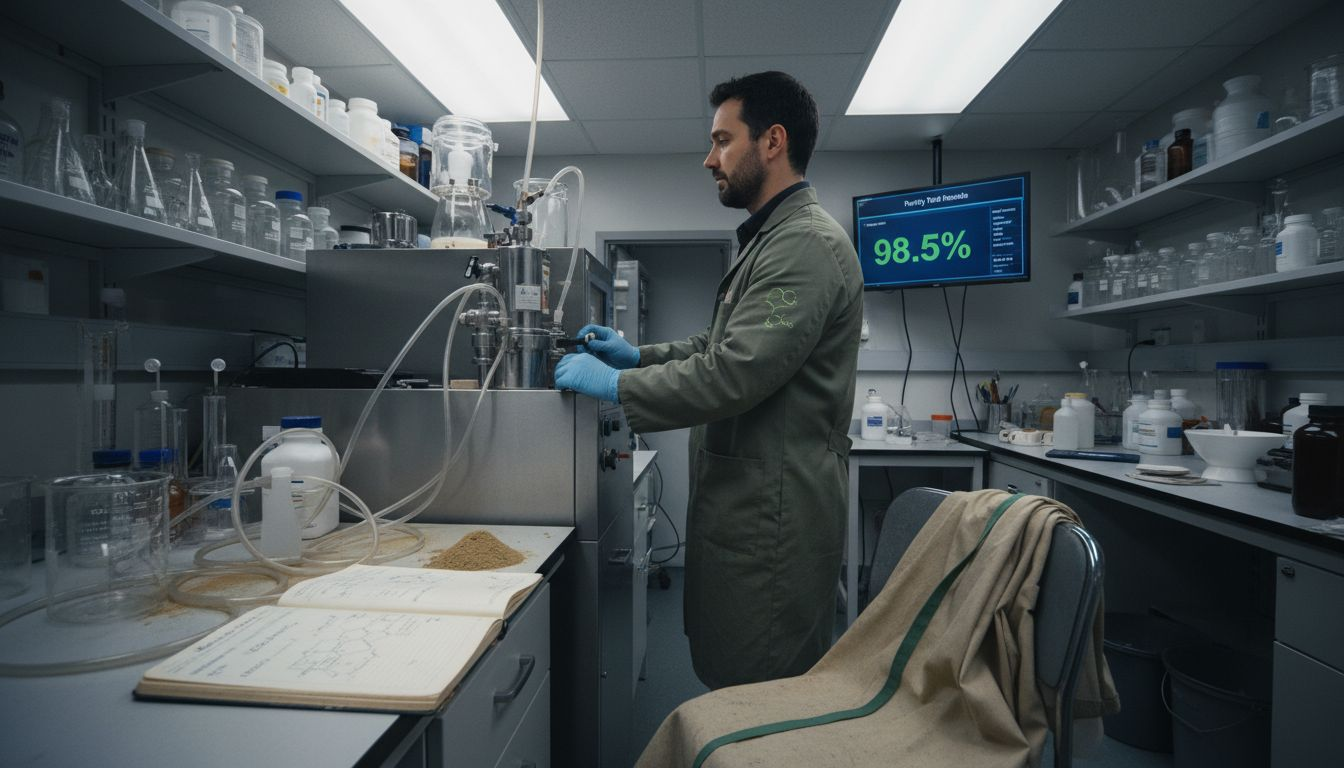
This summary highlights major steps in the organic CBD production process and their intended benefits:
| Production Stage | Main Focus | Benefit to Consumers |
|---|---|---|
| Seed Selection | Non-GMO, certified seeds | Maximal cannabinoid profile |
| Soil Preparation | Chemical-free environment | Reduced contamination risk |
| Extraction Method | Supercritical CO2 process | No solvent residues |
| Third-party Testing | Independent lab analysis | Confirms product safety |
Pro tip: Request detailed extraction method documentation to understand the precise purification process of your organic CBD product.
Cannabidiol (CBD) is emerging as a powerful natural compound with potential therapeutic applications that extend across multiple wellness domains. Scientific research on CBD reveals promising insights into its potential for managing various health conditions, with organic formulations offering enhanced safety and purity.
Key wellness benefits of organic CBD include:
Therapeutic Potential spans several critical health areas. Organic CBD products demonstrate particular promise in addressing complex wellness challenges, with research highlighting its multifaceted applications.
The scientific community continues exploring CBD’s comprehensive health impacts, with emerging clinical studies suggesting broad potential for therapeutic intervention:
Organic CBD represents a cleaner, more holistic approach to natural wellness intervention.
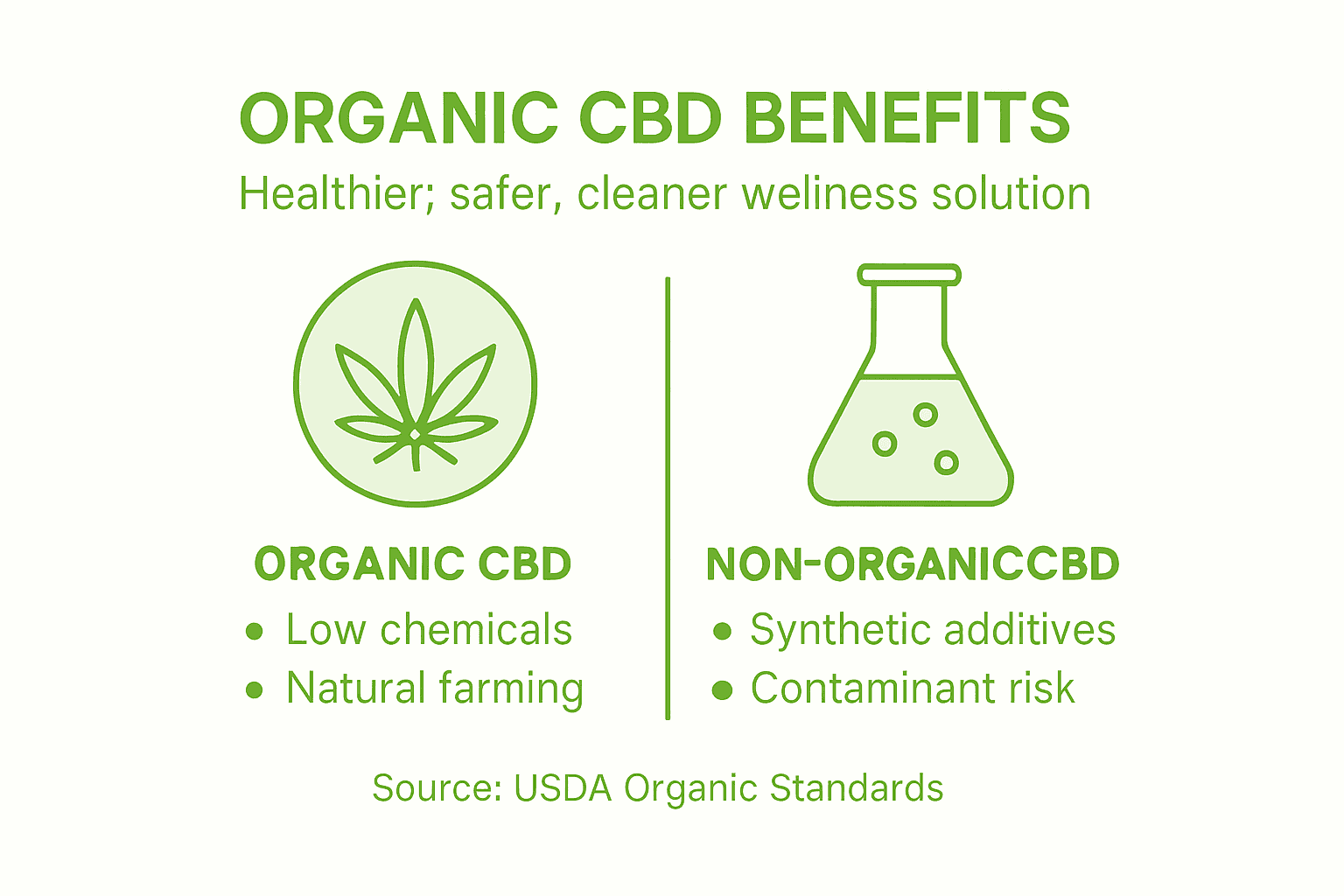
Consumers seeking natural health solutions can benefit from organic CBD’s reduced chemical exposure and potential therapeutic properties. The commitment to organic cultivation ensures a purer, more concentrated wellness compound.
Pro tip: Consult healthcare professionals to understand how organic CBD might complement your existing wellness strategy and address specific health concerns.
Navigating the legal landscape of CBD requires careful understanding of complex federal and state regulations. Federal hemp-derived CBD regulations establish critical guidelines that consumers must understand to ensure compliance and safe consumption.
Key legal considerations for U.S. consumers include:
Regulatory Framework distinguishes between different types of CBD products. Hemp-derived CBD with less than 0.3% THC is federally legal, while marijuana-derived CBD remains restricted under federal law.
Consumers must be aware of critical compliance factors:
Responsible CBD consumption requires understanding both legal boundaries and safety standards.
The FDA continues monitoring CBD product safety, with particular attention to mislabeling and unverified health claims. Consumers should remain vigilant and prioritize transparency when selecting CBD products.
Pro tip: Always verify the legal status of CBD products in your specific state before making a purchase.
The unregulated CBD market presents significant potential hazards for unsuspecting consumers, particularly with non-organic products that lack rigorous quality controls. CBD safety research reveals critical concerns about contamination and inconsistent product standards that can compromise consumer health.
Potential risks associated with non-organic CBD include:
Quality Control Challenges emerge from limited regulatory oversight in the CBD industry. Non-organic products frequently demonstrate significant variability in purity and composition, creating potential health risks for consumers.
Consumers should be vigilant about potential warning signs:
Not all CBD products are created equal – informed selection is crucial for safety.
Online CBD market research underscores the importance of choosing certified organic products that undergo comprehensive quality assessments. Rigorous testing can help mitigate risks associated with unregulated CBD consumption.
Pro tip: Always request and carefully review detailed laboratory testing certificates before purchasing any CBD product.
The challenge many consumers face is finding CBD products that truly deliver on health and safety without hidden chemicals or impurities. This article highlights the importance of organic CBD, which avoids synthetic pesticides and ensures higher purity through rigorous testing. If you want to enjoy wellness benefits without compromise, understanding the difference between organic and non-organic CBD is crucial.
Experience the purity and effectiveness firsthand by exploring our carefully crafted Organic CBD Gummies – Edwin’s Edibles & Elixirs that prioritize clean, responsible sourcing. Each product is designed using proprietary TiME INFUSION® technology for fast, consistent effects. Don’t settle for less when it comes to your health and wellness. Visit Edwin’s Edibles & Elixirs today and discover how our premium offerings can enhance your natural journey.
Take control of your wellness now and choose products that match your values in purity and safety. Explore our collections including Cannabis Terpenes – Edwin’s Edibles & Elixirs to customize your experience. Act today to enjoy cleaner, safer CBD with trusted quality backed by transparency and care.
Organic CBD is a cannabidiol extracted from hemp plants that are grown according to strict USDA organic standards, ensuring no synthetic pesticides or fertilizers are used in the cultivation process.
Organic CBD may offer various health benefits including anxiety reduction, improved sleep quality, natural pain management, inflammation control and neurological support.
Organic CBD is produced using natural farming practices and avoids synthetic chemicals, whereas non-organic CBD may contain harmful pesticides and chemicals that can compromise purity and safety.
Third-party lab testing verifies the purity and potency of CBD products, ensuring they do not contain harmful levels of THC or contaminants, which is crucial for consumer safety.