
Flavor profiles in edibles are the defining factor between a product you reach for again and one you forget. They shape taste, aroma and the full sensory arc of every bite or sip, making them central to both consumer satisfaction and product success. The importance of flavor profiles in edibles goes far beyond masking cannabis bitterness. When formulated with intention, flavor profiles in cannabis edibles create experiences that linger in your memory long after the effects have faded. At Edwin’s Edibles & Elixirs, we believe that flavor is not decoration. It is the experience itself.
Terpenes are the aromatic compounds found in cannabis and hundreds of other plants and they are the starting point for any serious conversation about flavor profiles in cannabis. Most consumers and even some formulators treat terpenes as the whole story. They are not. GC-MS studies confirm that volatile sulfur compounds and esters also greatly influence sensory experience, meaning terpene profiles alone do not reliably predict what a product will actually taste or smell like. That finding matters because it exposes a gap between chemistry and perception that the industry has been slow to close.
Think of it this way. A terpene like myrcene signals earthy, musky notes. But the final flavor of a gummy infused with that terpene also depends on esters that carry fruity brightness and sulfur compounds that add depth or funk. Sensory perception of cannabis flavor is multi-dimensional and mostly independent from chemistry alone, which is why the best formulators build sensory lexicons grounded in actual human perception rather than lab readouts.
Extraction method is another variable that changes everything. Live resin extraction retains complex terpene profiles, leading to richer edible flavors compared to distillate. Distillate is highly purified but strips out much of the aromatic complexity that makes a product feel alive on the palate. Live resin preserves the full chemical chorus, which is why terpene-forward gummies create differentiated consumer experiences compared to isolate-based products.
Pro Tip: When reading a product label, look for “live resin” or “full-spectrum” designations. These signal that the formulator preserved the broader chemical profile rather than relying on isolated terpenes added back post-extraction.
Consumer preference data from California, Colorado and Oregon reveals a clear pattern: nearly 75% of edibles in established Western markets are fruit-inspired flavors. That concentration tells you something important about what drives trial and repeat purchase. Fruit flavors are familiar, approachable and pair naturally with the sweetness most edible formats require. But within that broad category, regional preferences diverge sharply.
“Regional preference nuances demand that edible brands adjust flavors specifically, as West Coast citrus preferences differ markedly from Midwest berry or warming spice trends.” — Willow Industries, 2026
The West Coast leans toward citrus: bright lemon, blood orange and grapefruit profiles that feel clean and energizing. The Midwest gravitates toward berries and warming spices, flavors that feel grounded and comforting. These are not minor stylistic differences. Regionalized flavor products outperform generic national averages in trial and repeat sales, with hyperlocal feedback and zip-code level data guiding the most successful flavor portfolios.
| Region | Preferred Flavor Profile | Consumer Mood |
|---|---|---|
| West Coast | Citrus (lemon, blood orange, grapefruit) | Energizing, clean |
| Midwest | Berries, warming spices | Grounded, comforting |
| National average | Mixed fruit | Familiar, approachable |
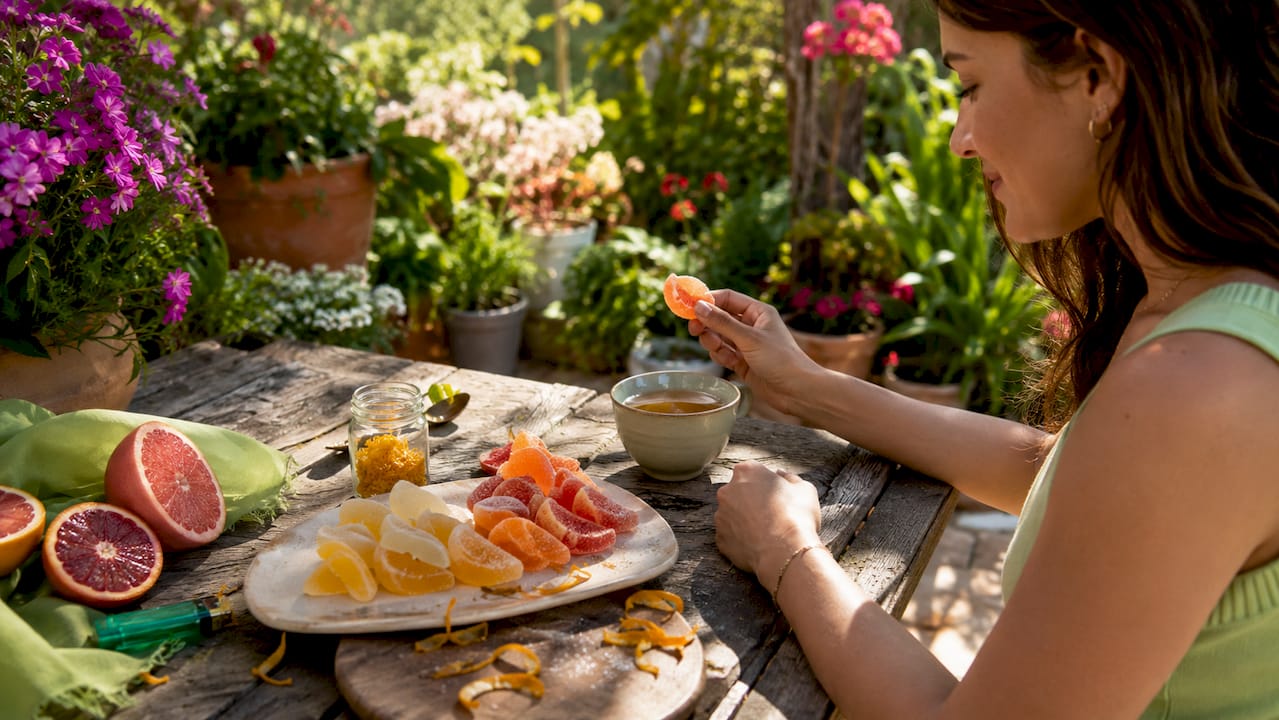
Demographics add another layer. Millennials and Gen Z drive a gourmet revolution in cannabis flavor appreciation, treating edibles the way previous generations approached craft coffee or natural wine. They want to know the origin of the flavor, the intention behind the combination and how the taste connects to the effect. Fruit, dessert, tropical and candy-inspired profiles that drive recognition and purchase intent are the best flavors for edibles in terms of broad market reach, but younger consumers are pushing brands toward more complex, layered expressions.
Getting flavor right in an edible is harder than it looks. Cannabis has a naturally bitter, earthy base that most consumers do not want front and center. The instinct is to bury it under sweetness. That instinct is wrong and it produces products that taste artificial and one-dimensional. Artificial sweetness masks cannabis bitterness but leads to dull and less sophisticated flavor profiles. Flavor designers consistently recommend balancing acidity and avoiding heavy sugar to maintain palate clarity.
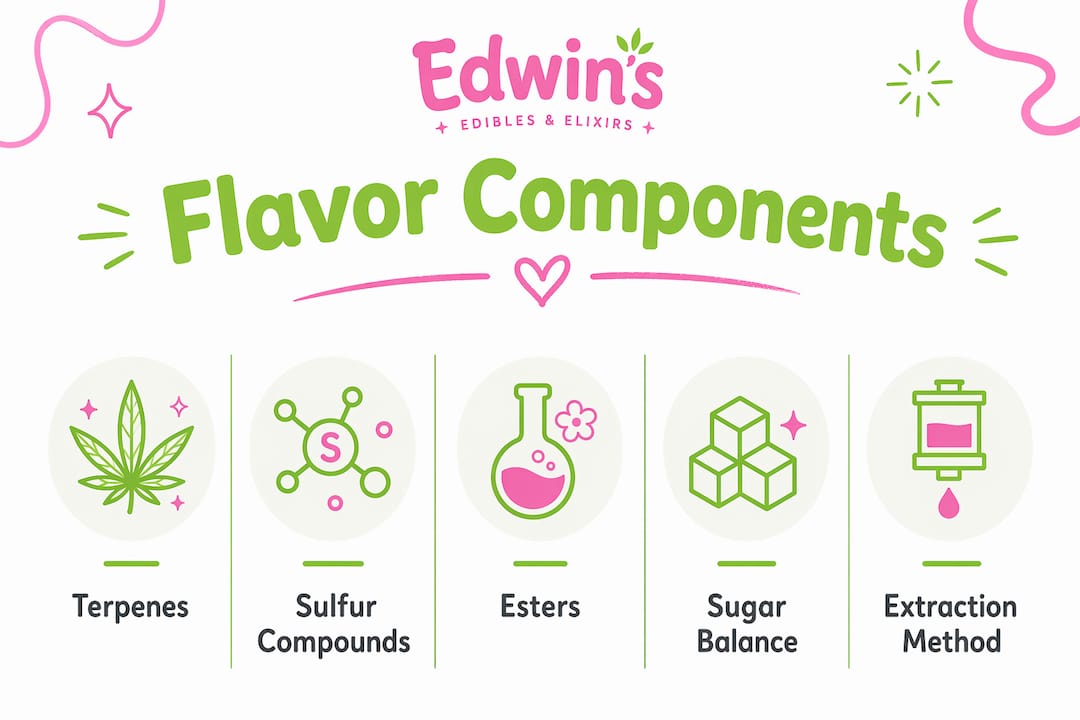
The best edible flavor combinations work because they respect the cannabis base rather than fighting it. Here is a practical framework for understanding what makes a formulation succeed:
Formulators who rely only on common terpenes often miss the volatile sulfur compounds and esters critical for authentic complex cannabis flavor, leading to profiles that feel flat or synthetic. The role of flavor in CBD gummies follows the same logic: balance and authenticity produce products that consumers describe as “clean” and “natural,” the two words that drive the most positive reviews in the premium segment.
Pro Tip: If a gummy tastes overwhelmingly sweet with no distinct fruit character, that is a sign the formulator leaned on sugar to cover poor extraction quality. Look for products where you can actually identify the fruit note separately from the sweetness.
Understanding flavor profiles turns you from a passive consumer into an informed one. The difference is significant. When you know what to look for on a label and why it matters, you make purchases that consistently deliver the experience you want rather than gambling on marketing copy.
Flavor appreciation deepens with experience. The first time you try a well-formulated live resin gummy with a true citrus profile, you will notice the difference from a sugar-forward distillate product immediately. That recognition is the beginning of a more satisfying relationship with edibles.
Flavor profiles in edibles are the product of chemistry, extraction method, regional preference and formulation skill working together and getting all four right separates memorable products from forgettable ones.
| Point | Details |
|---|---|
| Terpenes are not the whole story | Volatile sulfur compounds and esters are equally critical for authentic, complex flavor. |
| Extraction method shapes flavor | Live resin preserves full chemical complexity; distillate requires careful flavor addition. |
| Regional preferences drive sales | West Coast citrus and Midwest berry trends outperform generic national flavor strategies. |
| Sugar is not a solution | Over-sweetening dulls the palate and signals poor formulation rather than masking it. |
| Informed consumers choose better | Matching terpene profiles to mood and reading labels critically leads to consistently satisfying purchases. |
I have spent years watching the cannabis edibles category mature and the shift I find most exciting is not in potency or delivery technology. It is in flavor sophistication. The consumers coming into this space now grew up with specialty coffee, natural wine and farm-to-table dining. They bring those expectations with them and they are not willing to settle for a gummy that tastes like a sugar cube with a cannabis aftertaste.
What I find genuinely underappreciated is how much extraction quality drives flavor outcome. Most consumers focus on milligrams and strain names. The formulators I respect most focus on preserving the full chemical profile of the plant through extraction, because that is where authentic flavor lives. A product built on live resin with a thoughtfully matched terpene blend and restrained sweetness will outperform a high-potency distillate gummy in terms of overall experience every single time.
The misconception I hear most often is that terpenes explain everything. They explain a lot, but the volatile sulfur compounds and esters that GC-MS analysis reveals are just as important and far less discussed. Brands that build their flavor programs around the full chemical picture rather than a handful of named terpenes are the ones producing products that taste genuinely alive.
The exciting frontier is regionalization. Brands that invest in zip-code level flavor data and build products that speak to specific communities are creating loyalty that generic national products simply cannot match. That is not a niche strategy. It is the direction the whole category is heading.
— Jamison
At Edwin’s Edibles & Elixirs, we craft every product with the same conviction that flavor and effect belong together. Our small-batch fast-acting Delta 9 THC gummies and infused beverages are formulated with organic ingredients and real flavor intention, not sugar-forward shortcuts. Whether you are new to edibles or refining your palate, our cannabis edibles guide gives you the foundation to choose products that match both your taste preferences and your desired effects. Ready to go deeper? Our consumption guide walks you through how to get the most from every experience. Flavor is where the journey begins and we are here to make every bite worth remembering.
Fruit-inspired profiles dominate the market, with citrus, berry, tropical and dessert flavors driving the strongest recognition and purchase intent. The best choice depends on your regional preferences and the terpene profile you want to pair with the flavor.
Terpenes contribute to flavor architecture but do not tell the full story. Volatile sulfur compounds and esters also shape the final sensory experience, which is why full-spectrum and live resin products tend to taste more complex and authentic than isolate-based alternatives.
Yes, significantly. Live resin extraction retains complex terpene and chemical profiles that distillate processing removes. Products made with live resin consistently deliver richer, more nuanced flavor compared to those built on distillate with added flavoring.
Heavy sugar use masks cannabis bitterness in the short term but dulls the palate and produces flat, artificial-tasting profiles. Balanced formulations use acidity and natural fruit character to complement the cannabis base rather than bury it.
Look for products that align their flavor direction with their terpene blend. Citrus-forward products often feature limonene, which pairs with uplifting Sativa effects. Earthy or berry profiles frequently feature myrcene or linalool, which lean toward relaxation and Indica-leaning experiences.