
Walk into any dispensary or browse any cannabis edibles site and you’ll face the same question: sativa or indica? Most people assume the label tells them everything they need to know. It doesn’t. Sativa and indica labels primarily describe plant morphology rather than effects and decades of hybridization have made them unreliable predictors of your actual experience. The good news? Science gives us far better tools. This guide walks you through exactly how to choose cannabis based on what actually matters, so you can stop guessing and start enjoying.
| Point | Details |
|---|---|
| Labels are unreliable | Sativa and indica labels do not guarantee specific effects due to widespread hybridization. |
| Chemovar and terpenes matter | Choosing by cannabinoid type and terpene profile provides more predictable results. |
| Start low, track results | Begin with low THC doses and log your experience to discover your ideal product. |
| Check lab reports | A detailed certificate of analysis is the most accurate way to predict a cannabis product’s effect. |
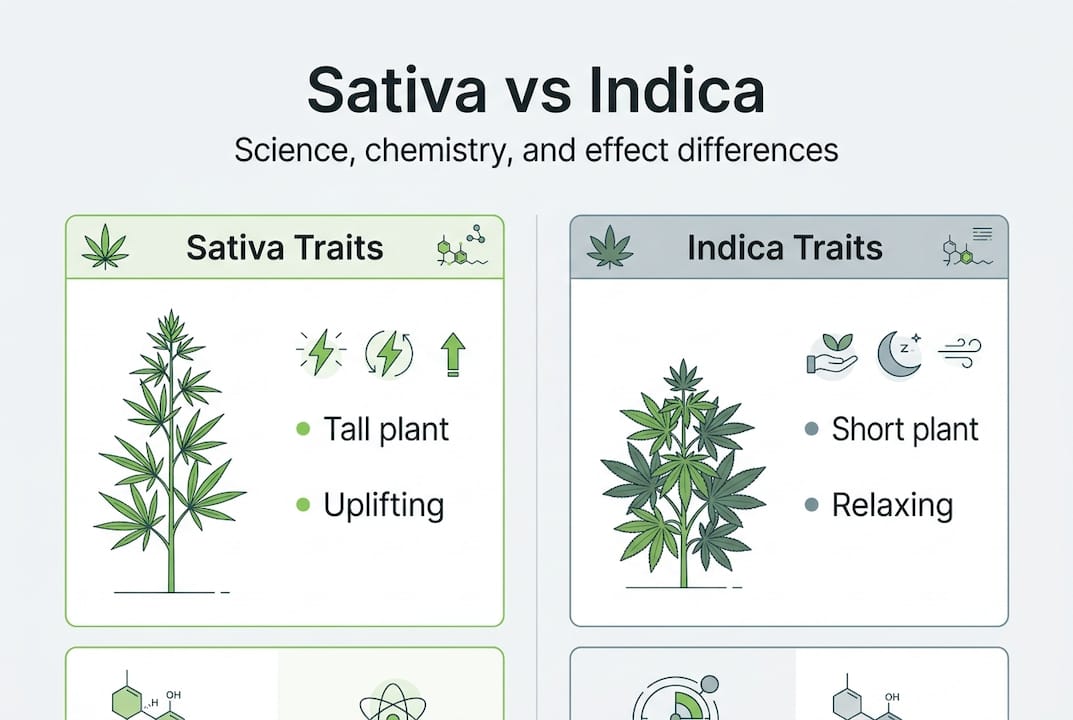
The terms “sativa” and “indica” were originally used by botanists to describe plant structure. Sativa plants grow tall and narrow with thin leaves. Indica plants grow short and bushy with wider leaves. That’s it. Those are physical descriptions, not effect blueprints. Somewhere along the way, the cannabis industry attached mood and experience claims to these labels and the myth took hold.
Here’s the problem: most commercial cannabis is hybrid and sativa/indica labels poorly correlate with effects. Decades of crossbreeding mean that a product labeled “sativa” might relax you, while one labeled “indica” might sharpen your focus. The label tells you more about the plant’s ancestors than about what you’ll feel.
For a detailed sativa and indica overview that covers the science behind these terms, Healthline offers a solid breakdown. And if you want to see how we frame this at Edwin’s Edibles & Elixirs, our indica vs sativa guide is a great starting point.
| Label claim | What science actually shows |
|---|---|
| Sativa = energizing | Effects vary widely; depends on terpenes and THC/CBD ratio |
| Indica = sedating | Myrcene content, not the label, drives relaxation |
| Labels predict experience | Most products are hybrids with blended effect profiles |
| Strain names are consistent | Same strain name can differ significantly between growers |
“Think of sativa and indica as rough vibes, not guarantees. They’re a starting point for conversation, not a prescription.” — Cannabis science educators widely echo this sentiment.
The takeaway? Use labels as a loose cultural shorthand, but never rely on them alone.
Given the limitations of sativa/indica, what should you actually look for when choosing cannabis? The answer lies in chemovars and terpenes.
A chemovar (short for chemical variety) classifies cannabis by its actual chemical makeup rather than its physical appearance. Effects are determined by chemovars and terpenes such as myrcene, limonene, pinene and linalool. There are three main chemovar types:
Terpenes are the aromatic compounds that give cannabis its smell and flavor. But they do more than that. They interact with cannabinoids to shape your experience in meaningful ways. This is sometimes called the entourage effect.
Common terpenes and their effects:
For a deeper look at how these compounds work together, our terpene profile effects guide and our piece on the role of terpenes in edibles break it all down. The strain selection science at Cannigma is also worth bookmarking.
| Chemovar type | THC/CBD ratio | Dominant terpenes | Predicted effects |
|---|---|---|---|
| Type I | High THC | Myrcene, limonene | Euphoria, creativity, relaxation |
| Type II | Balanced | Linalool, caryophyllene | Calm focus, mild euphoria |
| Type III | High CBD | Pinene, linalool | Clarity, calm, minimal high |
Pro Tip: Always ask for or look up a product’s Certificate of Analysis (COA). This lab document lists exact cannabinoid percentages and terpene profiles, giving you real data instead of marketing language.
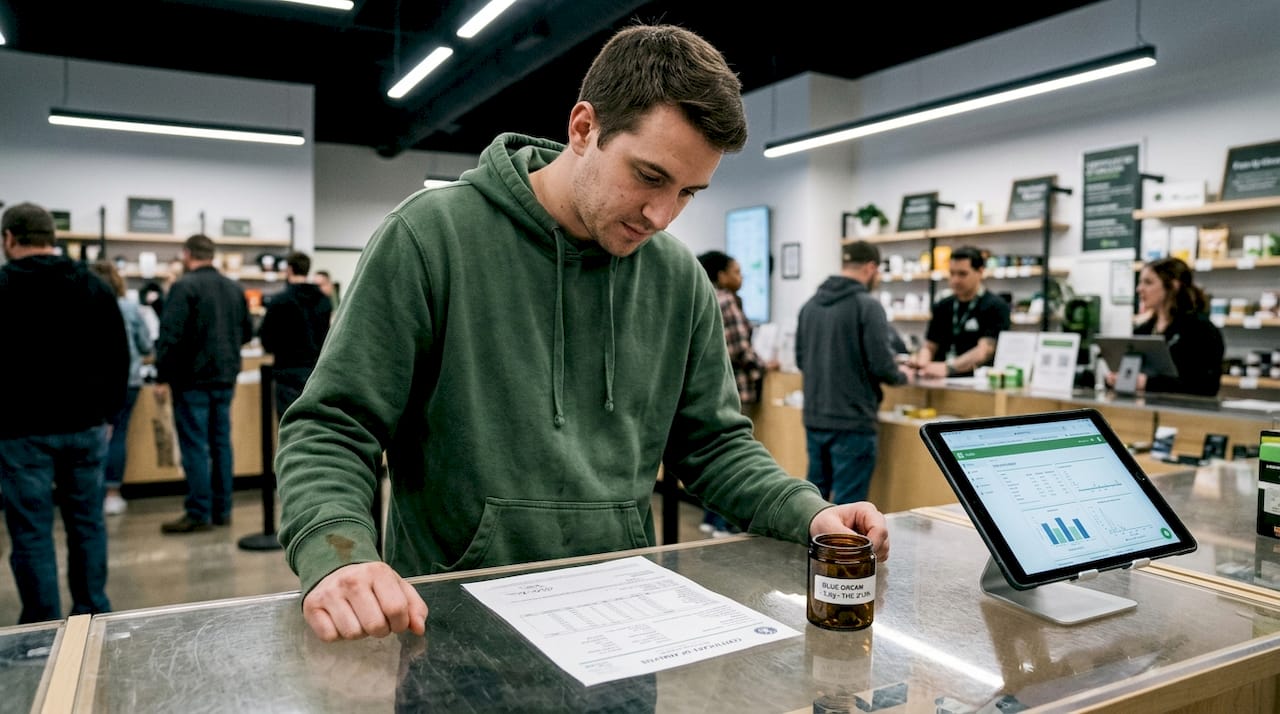
Now that you know what to look for, here’s exactly how to put it into practice. This process works whether you’re shopping for edibles, gummies, or infused beverages.
For dose and product selection tips that complement this process, Veriheal offers practical guidance. And starting with goals and checking the COA is consistently recommended by cannabis clinicians as the most reliable approach.
Safety first: Start with 1 to 2.5mg THC, especially if you’re new to edibles. Effects can take up to two hours to peak. Patience is your best friend here.
Pro Tip: Keep a simple notes app entry or a small notebook dedicated to your cannabis experiences. After three to five sessions, patterns emerge that make future choices much easier and more satisfying.
Even with the right process, it’s easy to trip up. Here are the pitfalls to dodge.
The biggest mistake most people make is trusting the label completely. You buy a “sativa” product expecting energy and instead you feel sleepy. That’s not a defective product. That’s a mislabeled expectation. Effects can vary greatly due to individual biology and terpene dominance, which means two people using the same product can have very different experiences.
Top mistakes and what to do instead:
For those seeking energizing cannabis options or looking at relaxing with THC, we’ve built dedicated guides to help you match products to your actual goals. And for a deeper look at how indica vs sativa and terpenes interact, Terpene Belt Farms offers a thorough breakdown.
Pro Tip: When uncertain, prioritize products with detailed COAs and don’t hesitate to ask dispensary staff to walk you through the lab results. A knowledgeable budtender is one of your best resources.
So, are traditional sativa or indica labels useless? Not entirely. Here’s when they come in handy.
Labels still serve a practical purpose in everyday shopping. Most consumers aren’t carrying a chemistry degree into the dispensary. Labels give a quick, culturally understood shorthand that helps narrow choices fast. Traditional sativa-like and indica-like effects persist in practice, but most products are hybrids with average trends only. That means the label can point you in a general direction, even if it can’t guarantee the destination.
Scenarios where labels still help:
The smartest approach combines all three layers: start with the label as a rough filter, then check the terpene profile, then confirm with the COA. Our top sativa edible options guide shows exactly how this layered approach works in practice, with real product comparisons to make your decision easier.
Hybrids are now the modern norm. Nearly every product on the market blends genetics from both plant types. Embracing that reality, rather than fighting it, puts you in a much stronger position as a consumer.
At Edwin’s Edibles & Elixirs, we believe that choosing cannabis should feel exciting, not overwhelming. Every product in our lineup comes with transparent lab testing, detailed terpene information and educational resources so you can shop with real confidence. Whether you’re drawn to the uplifting energy of a sativa-leaning gummy or the deep calm of an indica-forward edible, we’ve crafted options that linger in your memory for all the right reasons. Start with our guide on choosing cannabis edibles to match your goals to the right product, or explore our full cannabis edibles guide to understand what makes our small-batch, hemp-derived Delta 9 THC products stand apart. Your perfect experience is closer than you think.
No. Hybridization blurs effects significantly, making sativa and indica labels unreliable predictors. True effects depend on chemovars and terpene profiles, not plant morphology.
Check the Certificate of Analysis for THC/CBD ratio and dominant terpenes. A COA profile gives you a far more accurate prediction of effects than any label.
Myrcene tends to produce relaxing, sedating effects, while limonene and pinene commonly increase energy and focus. Terpene impact on effect type is one of the most reliable ways to predict your cannabis experience.
Start low, go slow with new products, ideally at 1 to 2.5mg THC. Track your experience each session to build a personal reference for future choices.
Absolutely. Tolerance, metabolism and your endocannabinoid system all play a role. Individual responses vary widely, which is why logging your experiences and starting low is so important for dialing in your ideal dose and product.