
Many assume hemp products cannot produce intoxicating effects, yet hemp-derived edibles can deliver multiple standard THC doses despite being legally compliant. Understanding the difference between hemp and marijuana under Cannabis sativa is essential for making informed wellness choices. This guide clarifies Cannabis sativa’s legal distinctions, explains Sativa strain benefits, explores how hemp edibles work in your body, corrects common misconceptions and provides practical tips for safe, enjoyable use.
| Point | Details |
|---|---|
| Cannabis sativa includes hemp (≤0.3% THC) and marijuana (>0.3% THC) varieties | Legal distinction under federal law determines product classification and availability. |
| Sativa strains contain unique cannabinoid and terpene profiles | These compounds work together to produce uplifting, relaxing and energetic effects ideal for wellness. |
| Hemp edibles undergo liver metabolism causing delayed onset | Effects start after 30 to 90 minutes and can last up to 6 hours, requiring careful timing. |
| Legal hemp edibles contain ≤0.3% THC but can still intoxicate | Concentration in edible servings can produce notable psychoactive effects despite plant compliance. |
| Responsible dosing and legal knowledge enhance safe use | Starting with low doses and understanding regulations prevent overconsumption and legal issues. |
Cannabis sativa encompasses both hemp and marijuana varieties, distinguished primarily by their THC content. Under the 2018 Farm Bill, hemp is legally defined as Cannabis sativa containing no more than 0.3% delta-9 THC on a dry weight basis. Marijuana, by contrast, contains higher THC concentrations and produces stronger psychoactive effects.
This legal threshold creates important practical differences. Hemp is cultivated for wellness products, fiber and non-intoxicating compounds like CBD, while marijuana serves recreational and medicinal purposes requiring stricter regulation. Despite coming from the same plant species, their applications and legal frameworks differ substantially.
Industrial hemp can contain significant levels of cannabinoids beyond THC, particularly CBD, which offers relaxation benefits without intoxication. Understanding the legal status of hemp edibles helps you navigate product options confidently.
Hemp vs Marijuana Key Differences:
Sativa strains within Cannabis sativa possess distinct cannabinoid and terpene compositions that set them apart for wellness applications. While THC remains within legal limits for hemp products, the balance of other cannabinoids like CBD creates unique experiences. CBD, a non-intoxicating cannabinoid, reduces anxiety and promotes relaxation without producing a high.
Terpenes play an equally important role in Sativa’s effects. Limonene and pinene, abundant in Sativa strains, contribute to uplifting sensations and anxiety reduction. These aromatic compounds work synergistically with cannabinoids to enhance overall wellness benefits.
Sativa strains of Cannabis sativa are characterized by a different balance of cannabinoids and terpenes which produce uplifting, energetic and relaxing effects preferred for recreational and wellness applications.
The combined phytochemical profile creates experiences many users describe as mellow yet focused. Understanding the role of Sativa in edibles helps you select products aligned with your wellness goals. This synergy between compounds, called the entourage effect, amplifies benefits beyond what isolated cannabinoids provide.
Dominant Cannabinoids and Terpenes in Sativa:
The 2018 Farm Bill established the foundational legal framework by removing hemp from the Controlled Substances Act. This legislation permits cultivation, processing and sale of hemp products containing no more than 0.3% delta-9 THC. The USDA regulates hemp farming practices and interstate commerce, while the FDA oversees product safety and labeling standards.
State laws introduce additional complexity. Some states impose stricter requirements or prohibit certain hemp products despite federal legality. Before purchasing, verify your state’s regulations regarding legal hemp edibles to ensure compliance.
Lab testing verification is non-negotiable for safe consumption. Reputable manufacturers provide certificates of analysis confirming THC levels, cannabinoid profiles and absence of contaminants. These documents protect you from mislabeled products that could exceed legal limits or contain harmful substances.
Key Legal Points for Consumers:
When you consume hemp edibles, cannabinoids travel through your digestive system before absorption in the intestines. Your liver then metabolizes these compounds, converting delta-9 THC into 11-hydroxy-THC, a more potent metabolite. This first-pass metabolism explains why edibles produce longer-lasting effects compared to inhalation methods.
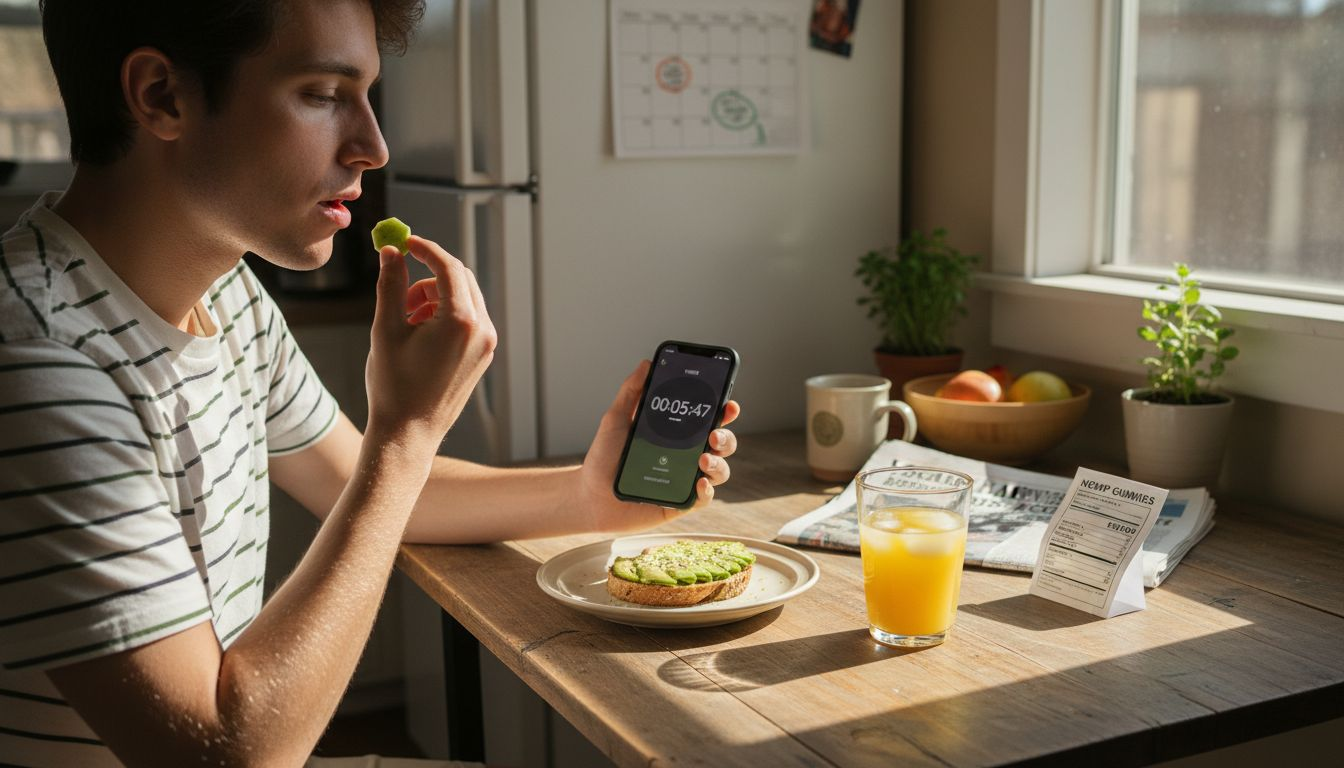
Onset time ranges from 30 to 90 minutes depending on metabolism, stomach contents and individual physiology. Effects can persist for up to 6 hours, making edibles ideal for sustained relaxation or recreation. This extended duration requires careful planning to avoid interference with responsibilities.
Dosing hemp-derived edibles demands caution because the delayed onset tempts users to consume more before initial effects appear. Understanding edible onset time prevents this common mistake.
Safe Consumption Steps:
Pro Tip: Set a timer on your phone after consuming an edible. This prevents the temptation to redose prematurely during the onset period. Most unpleasant experiences stem from impatience rather than product quality.
Metabolic differences mean edibles affect people differently. Factors like body weight, tolerance and liver enzyme activity influence both intensity and duration. Experiment gradually to discover your ideal dose.
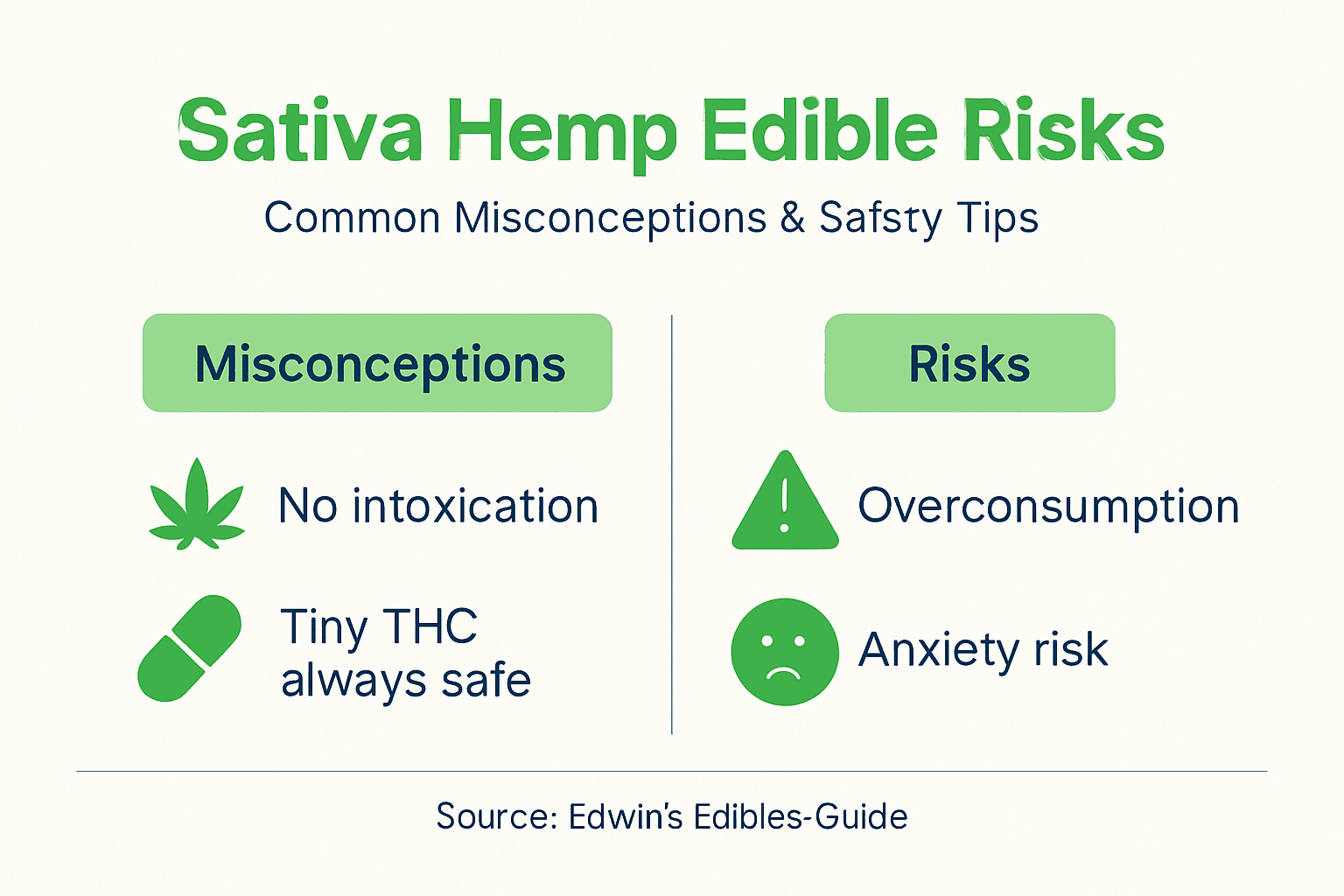
The most dangerous misconception is that all hemp products lack intoxicating potential. While hemp plants contain ≤0.3% THC, hemp-derived edibles can concentrate this cannabinoid into doses that produce notable psychoactive effects. A single gummy might contain 10mg THC, equivalent to multiple joints for some users.
Another common error is confusing plant THC percentage with serving size THC content. The 0.3% limit applies to plant material, not finished edibles. Manufacturers can legally concentrate cannabinoids during extraction, resulting in potent products that remain compliant.
Understanding hemp edible misconceptions protects you from unexpected experiences. The delayed onset of edibles compounds risks because users may consume excessive amounts while waiting for effects to begin.
Common Misconceptions Corrected:
Pro Tip: Before trying a new edible brand, start with half the recommended serving size. Individual metabolism varies widely and what works for others might overwhelm you. You can always increase your dose, but you cannot reverse overconsumption once it occurs.
Overconsumption risks include anxiety, paranoia, impaired coordination and prolonged discomfort lasting several hours. These experiences are temporary but unpleasant. Responsible use and proper education prevent most adverse reactions.
Traditional edibles suffer from unpredictable onset times and inconsistent effects due to variable digestion rates. TiME INFUSION® technology addresses these challenges through enhanced cannabinoid bioavailability. This proprietary process improves how quickly and efficiently your body absorbs active compounds.
The result is faster onset, more predictable effects and improved user control. Instead of waiting 90 minutes, TiME INFUSION® products may begin working within 5 to 15 minutes. This rapid action reduces the temptation to overconsume while waiting for effects.
| Feature | TiME INFUSION® | Traditional Edibles |
|---|---|---|
| Onset Time | 5 to 15 minutes | 30 to 90 minutes |
| Effect Duration | 4 to 6 hours | 4 to 8 hours |
| Consistency | Highly predictable | Variable by individual |
| Bioavailability | Enhanced absorption | Standard digestion-dependent |
| User Control | Easier dose adjustment | Delayed feedback complicates dosing |
Advanced infusion technologies like TiME INFUSION® transform the edible experience by providing faster, more reliable effects that align with wellness and recreational goals while minimizing common frustrations around timing and dosing accuracy.
These innovations particularly benefit users who need effects during specific time windows. Whether you’re seeking relaxation after work or preparing for a social event, predictable onset timing enhances planning. Technology continues evolving to make hemp edibles more accessible and user-friendly for wellness applications.
Selecting quality Sativa hemp edibles requires evaluating several key factors. Verified cannabinoid content ensures you know exactly what you’re consuming, while terpene information indicates the likely effect profile. Third-party lab testing confirms product safety and legal compliance.
Start your journey choosing Sativa edibles by researching manufacturers’ reputations and transparency. Companies that openly share lab results and sourcing information typically produce higher-quality products. Look for organic ingredients and extraction methods that preserve beneficial plant compounds.
Criteria for Choosing Quality Sativa Edibles:
Safe Usage Tips:
Pro Tip: Read the entire label carefully, not just the front packaging. Check for total package THC versus per-serving amounts, as some packages contain multiple servings. Products featuring TiME INFUSION® or similar technologies provide more consistent experiences by improving absorption rates.
Legal purchase requires staying within THC limits and buying from licensed, compliant sources. Avoid unverified online sellers or products lacking proper labeling. Your safety depends on product quality, so invest in reputable brands even if they cost slightly more.
Maximizing benefits while minimizing risks comes down to education and patience. Following the edible consumption guide helps you develop a sustainable, enjoyable relationship with Sativa hemp edibles. Learn how to choose cannabis edibles that align with your specific wellness goals.
Cannabis sativa encompasses both hemp and marijuana varieties, legally distinguished by THC content yet botanically identical. Hemp-derived Sativa edibles offer unique wellness benefits through carefully balanced cannabinoid and terpene profiles that promote relaxation, energy and recreation. Understanding the legal framework, metabolic processes and proper dosing strategies enables safe, enjoyable experiences.
The key to successful use lies in respecting the delayed onset of edibles and starting with conservative doses. Technology improvements like TiME INFUSION® are making products more predictable and user-friendly. Legal compliance through verified lab testing protects both your health and legal standing.
Key Takeaways and Next Steps:
Armed with this knowledge, you can confidently explore Sativa hemp edibles as part of your wellness routine. The combination of legal access, scientific understanding and technological advancement has never been better for adults seeking natural relaxation and recreation options.
Edwin’s Edibles & Elixirs specializes in premium hemp-derived Sativa edibles formulated specifically for relaxation and recreational enjoyment. Our products feature organic ingredients, rigorous third-party lab testing and compliance with all federal regulations to ensure your safety and satisfaction. We’re committed to transparency, quality and innovation in the hemp edibles space.
Discover our comprehensive Cannabis Edibles Explained Guide to deepen your understanding of product options and effects. Our detailed consumption guide for optimal results provides step-by-step instructions for safe, enjoyable experiences. Learn how to choose cannabis edibles that align perfectly with your wellness goals and lifestyle preferences.
Cannabis sativa is a plant species that includes both hemp and marijuana varieties, distinguished solely by THC content. Hemp contains ≤0.3% delta-9 THC under federal law, while marijuana exceeds this threshold. Both come from the same species but serve different purposes due to their cannabinoid profiles and legal status.
Edibles undergo digestion and liver metabolism, producing 11-hydroxy-THC, a more potent metabolite than inhaled THC. This process causes delayed onset of 30 to 90 minutes but extends duration to 6 hours or more. Smoking provides immediate effects that fade within 2 to 3 hours, offering less sustained but more controllable experiences.
Yes, hemp edibles can produce intoxicating effects because the 0.3% limit applies to plant material, not finished products. Manufacturers concentrate cannabinoids during extraction, allowing a single legal serving to contain 5mg to 10mg THC or more. This amount can significantly affect users, especially those with low tolerance or limited experience.
Start with 2.5 to 5mg THC and wait a full 90 minutes before consuming more. Track your doses, timing and effects in a journal to identify your optimal amount. Never redose during the onset period, as delayed effects make it easy to overconsume accidentally, leading to prolonged discomfort.
Federal law requires hemp products contain no more than 0.3% delta-9 THC on a dry weight basis. The USDA regulates hemp cultivation, while the FDA oversees product safety and labeling. States may impose additional restrictions, so verify local regulations before purchasing. Third-party lab testing provides the best verification of compliance.