
Finding safe, legal ways to enjoy THC edibles can feel confusing if you care about wellness and clarity. Ever since the 2018 Farm Bill allowed hemp-derived THC under federal law, American consumers have gained access to a wide range of organic options for relaxation and support. This article explains the difference between hemp and marijuana, highlights vital state-by-state rules and shows how to choose THC products with clear dosing so you can make informed choices with confidence.
| Point | Details |
|---|---|
| Legal Framework | The 2018 Farm Bill legalized hemp-derived products containing less than 0.3% delta-9 THC federally, while state laws may differ significantly. |
| Product Types | Consumers have access to various hemp-derived THC products such as gummies, tinctures and infused beverages, each with unique benefits and legal considerations. |
| Compliance Requirements | Purchasers must comply with specific regulations, including age verification, valid ID and buying from licensed dispensaries. |
| Safety Standards | States enforce strict safety protocols for THC products, including potency limits and clear labeling to ensure consumer safety and informed consumption. |
Understanding the legal landscape of THC in the United States requires navigating complex federal and state regulations. Federal cannabis laws create a nuanced framework where hemp-derived products occupy a unique legal space.
The 2018 Farm Bill transformed cannabis regulations by legally distinguishing hemp from marijuana based on THC concentration. Under this legislation, hemp is defined as cannabis containing no more than 0.3% delta-9 THC by dry weight, effectively legalizing hemp-derived products at the federal level. This critical distinction means that hemp-derived THC can be legally produced, sold and consumed in most states.
Key legal considerations for THC in the United States include:
Compliance remains crucial for consumers and businesses. Legal status of hemp edibles continues to evolve, with ongoing legislative discussions and potential future changes.
Pro tip: Always verify current state regulations before purchasing or consuming any THC products, as laws can change rapidly and vary by jurisdiction.
The landscape of legal THC products has dramatically expanded since the 2018 Farm Bill, offering consumers a diverse range of hemp-derived options. Legal hemp product varieties include multiple consumption formats designed to meet different preferences and wellness needs.
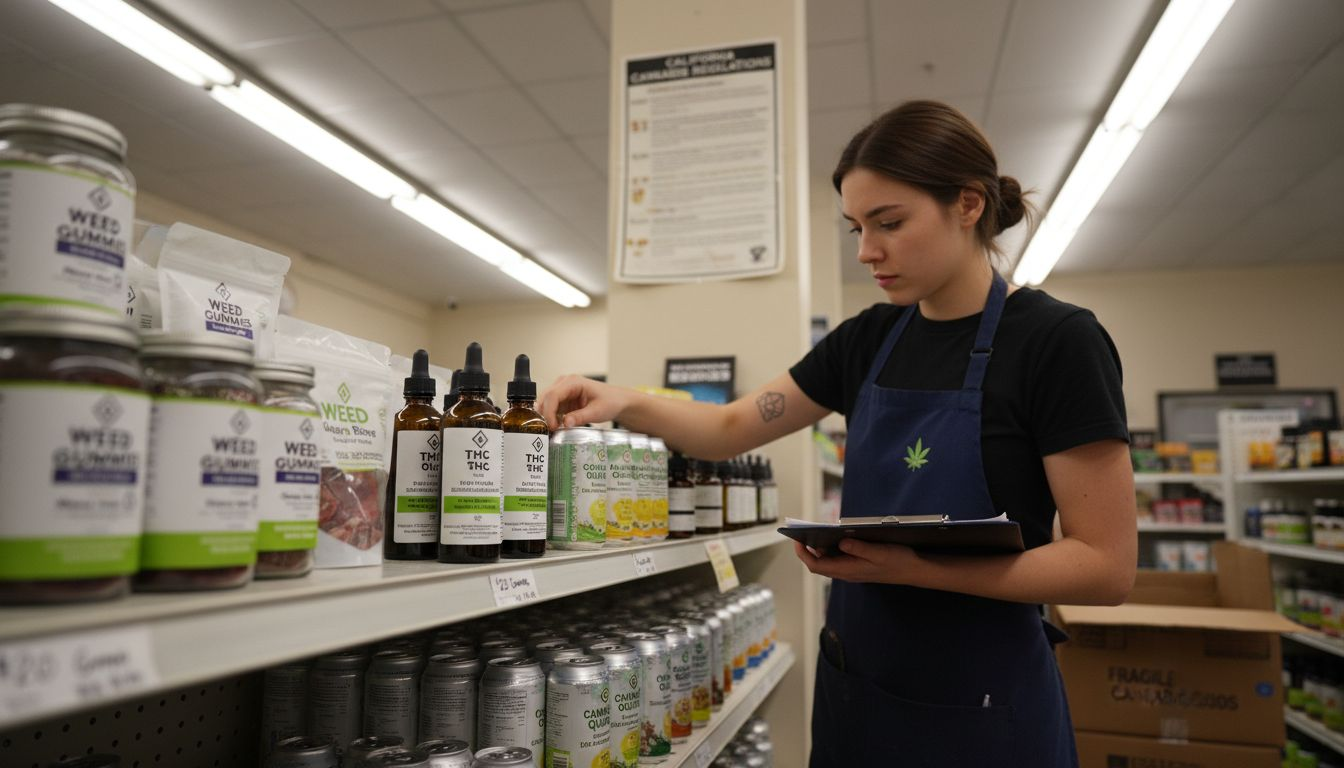
Hemp-derived legal THC products typically fall into several primary categories, each offering unique characteristics and potential benefits. Edible products represent a popular choice, including gummies, baked goods and candies infused with precisely measured delta-9 THC concentrations. Liquid formats such as tinctures and beverages provide alternative consumption methods for users seeking fast-acting and discreet options.
Key types of hemp-derived legal THC products include:
Regulatory complexities mean that hemp-derived cannabinoid availability varies significantly across different states. Consumers must remain informed about local regulations and product-specific legal considerations.
Here is a quick comparison of common legal hemp-derived THC product types:
| Product Type | Main Use | Format Example |
|---|---|---|
| Gummies | Discrete dosing | Fruit-flavored chewable pieces |
| Tinctures | Fast absorption | Liquid dropper bottles |
| Beverages | Easy consumption | Canned infused drinks |
| Vape Cartridges | Rapid effect | Pre-filled vape units |
| Capsules | Controlled intake | Gelatin capsules |
Pro tip: Always verify the specific legal status of THC products in your state before purchasing, as regulations can change rapidly and differ between jurisdictions.
The legal landscape of cannabis in the United States represents a complex interplay between federal prohibition and state-level legalization. Federal cannabis regulations create a nuanced framework where marijuana remains a Schedule I controlled substance, while hemp-derived products occupy a unique legal space.
Under federal law, cannabis containing more than 0.3% delta-9 THC is classified as marijuana and remains illegal. However, the 2018 Farm Bill dramatically transformed the legal status of hemp-derived cannabinoids, creating a pathway for legal production and distribution of products with low THC concentrations. This legislative change has led to a diverse and evolving regulatory environment across different states.
Key differences in state cannabis laws include:
State marijuana law variations demonstrate the significant complexity of cannabis regulation. As of early 2025, the legal landscape shows remarkable diversity:
Here’s a summary of how federal and state cannabis laws differ for consumer access:
| Legal Status | Federal Law | State Laws (Varies) |
|---|---|---|
| Hemp-derived THC (<0.3%) | Legal, nationwide | Legal in most, some restrictions |
| Marijuana THC (>0.3%) | Federally illegal | Recreational/medical allowed in some states |
| Medical Use Programs | Not recognized | 40 states, regulated access |
| Recreational Use | Federally prohibited | 24 states, age limits apply |
Pro tip: Always consult local legal experts and verify current state regulations before purchasing or consuming any cannabis products, as laws can change rapidly and have significant legal implications.
Navigating legal THC purchases requires understanding a complex set of state-specific regulations that protect consumer safety and ensure compliance. Medical THC purchasing requirements involve multiple layers of verification and documentation that vary significantly across different jurisdictions.
Consumers must meet several critical criteria when purchasing legal THC products. Age verification is the most fundamental requirement, with most states mandating a minimum age of 21 for recreational purchases and potentially lower ages for medical cannabis. Buyers must present valid government-issued identification and purchase only from state-licensed dispensaries or authorized retailers.
Key requirements for legal THC purchases include:
State cannabis sale regulations emphasize rigorous standards for product safety. These include mandatory testing for contaminants, precise labeling of THC content and strict tracking of product origins from cultivation to sale.
Pro tip: Always carry a valid government ID and research your specific state’s cannabis laws before attempting to purchase THC products, as requirements can change rapidly and vary dramatically between jurisdictions.
Navigating the complex world of legal THC products requires a comprehensive understanding of safety protocols and regulatory standards. THC product safety regulations establish critical guidelines to protect consumers and ensure responsible cannabis consumption.
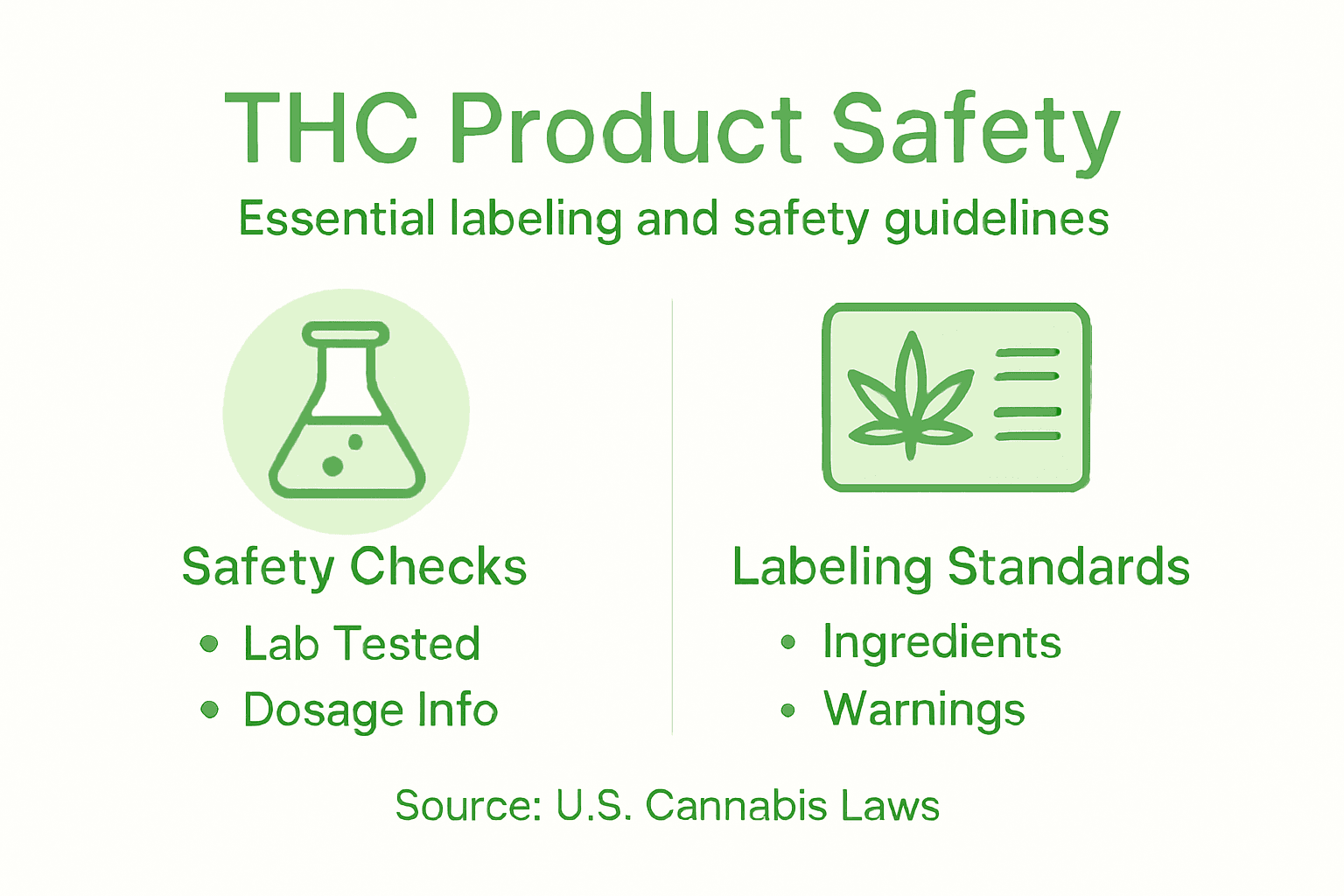
States have implemented stringent potency limits and serving size restrictions to mitigate potential risks associated with THC consumption. Most jurisdictions mandate that edible cannabis products contain no more than 5-10 mg of THC per serving, with clear labeling to prevent accidental overconsumption. These regulations are particularly crucial for protecting vulnerable populations, especially children and inexperienced users.
Key safety and labeling standards include:
Cannabis product regulatory controls emphasize comprehensive testing protocols that screen for:
Pro tip: Always carefully read product labels, start with low doses and consult healthcare professionals about potential interactions or personal health considerations before consuming THC products.
The landscape of legal cannabinoids extends far beyond traditional delta-9 THC, offering consumers a range of nuanced alternatives with varying legal standings. Legal hemp-derived cannabinoid variations present complex options that challenge conventional understanding of cannabis products.
Delta-8 THC and THC-O represent emerging alternatives that occupy unique legal spaces, derived from hemp and containing less than 0.3% delta-9 THC. These compounds provide psychoactive experiences while navigating different regulatory frameworks compared to traditional marijuana, creating intriguing possibilities for consumers seeking legal alternatives.
Key differences between legal THC alternatives include:
Synthetic cannabinoid legal interpretations remain complex, with federal courts continuously evolving their stance on hemp-derived and synthesized compounds. The legal landscape requires careful navigation, as synthetic or chemically altered compounds may trigger different regulatory scrutiny.
Pro tip: Consult local legal experts and stay informed about the most current regulations in your specific jurisdiction, as cannabinoid legal status can change rapidly and vary significantly between states.
Navigating the complexities of legal THC in the United States can feel overwhelming, especially with the diverse state regulations and product types described in this article. If you aim to enjoy hemp-derived Delta 9 THC products that meet legal requirements without sacrificing quality or effect, Edwin’s Edibles & Elixirs offers a trusted solution. Their proprietary TiME INFUSION® technology ensures fast-acting results with every dose, supporting your desire for reliable, enjoyable experiences.
Discover a curated selection designed to fit your preferences including Vegan THC Gummies and refreshing THC Drinks and Gummies — all made with premium hemp ingredients and transparent labeling. Take control of your wellness or recreation needs confidently by choosing legal, small-batch products crafted with care. Visit Edwin’s Edibles & Elixirs today and find your ideal legal THC experience. Start enjoying the benefits now while staying fully informed and compliant.
Legal THC in the U.S. refers to hemp-derived THC products that contain less than 0.3% delta-9 THC by dry weight, distinguishing them from marijuana, which remains illegal under federal law.
State laws significantly impact the legality of THC products, with many states having their own regulations governing the sale, possession and use of both hemp-derived and marijuana THC products.
Legal THC products include various forms such as gummies, tinctures, infused beverages, vape cartridges and capsules, each offering different consumption methods and effects.
Legal THC products must adhere to safety standards that include mandatory testing for contaminants, clear labeling of THC concentrations, accurate serving size information and child-resistant packaging to ensure consumer safety.